


Aluminum 3D Printing: All You Need to Know
The use of 3D-printed aluminum parts is growing, driven by advancements in aluminum materials tailored for additive manufacturing. Industries like automotive and aerospace are adopting these parts, supported by the increasing availability of 3D printers and services for producing pure and alloy aluminum components.
Compared to traditional manufacturing, 3D-printed aluminum alloys often exhibit superior material properties. Additionally, additive manufacturing enables the creation of complex geometries that are unattainable with conventional methods, further expanding the range of applications for these innovative materials.
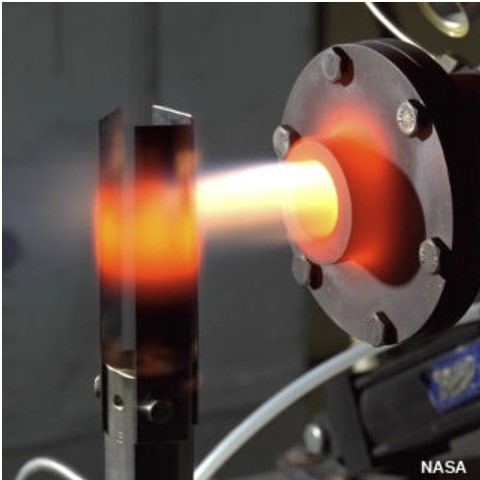
In 2023, NASA test-fired Ramfire liquid rocket nozzles at the Marshall Space Flight Center, showcasing groundbreaking advancements in additive manufacturing. These nozzles are made from 6061-RAM2, a patented aluminum alloy developed by Elementum 3D. This material offers exceptional strength and significant weight savings, making it ideal for rocket engines and launch vehicles. Beyond the alloy’s impressive properties, the real game-changer lies in the complex geometries achievable through 3D printing. For instance, the nozzles feature small internal channels that effectively prevent overheating by maintaining optimal cooling.
NASA highlights the advantages of additive manufacturing (AM), stating that it reduces costs, accelerates production timelines, enhances reliability by minimizing joint connections, and improves performance by enabling unconventional designs. These benefits are crucial for NASA’s Moon to Mars missions, which demand the ability to transport heavier payloads to distant destinations. The novel 6061-RAM2 alloy could play a pivotal role in meeting these challenges, enabling the production of lightweight, durable rocket components capable of enduring extreme structural loads during space exploration.
In October, the US Navy utilized a containerized liquid metal 3D printer aboard the USS San Diego to produce aluminum parts. These components were tested for quality and performance, confirming they were fully functional and suitable for their intended applications, demonstrating the potential of on-site additive manufacturing in naval operations.
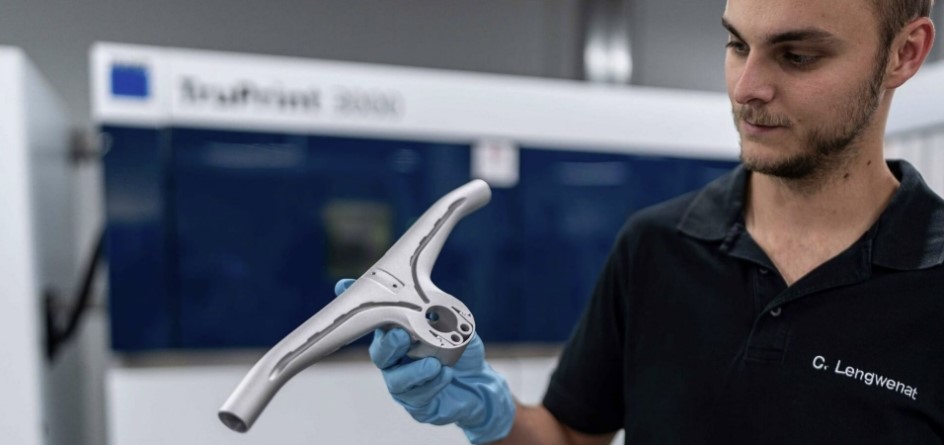
At Eurobike 2024, Scott Bike Components unveiled a 3D-printed handlebar featuring internal channels to house brake cables. Made from Aluminum 6061 and produced using Trumpf’s metal laser powder bed fusion machine, it offers enhanced strength. Meanwhile, Japan’s Smart Lander used lightweight 3D-printed aluminum shock absorbers to soften lunar landing impacts, showcasing additive manufacturing’s versatility.
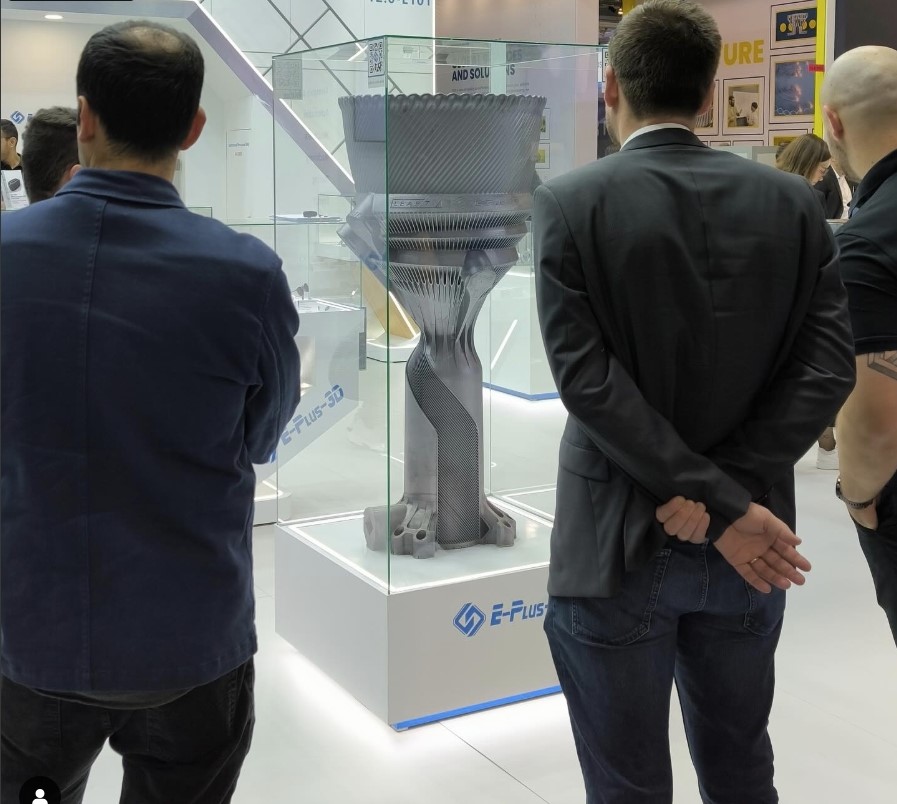
In November, Eplus3D and Dubai-based Leap 71 unveiled a 1.3-meter-tall aluminum rocket thruster, the world’s largest single-piece 3D-printed thruster. Manufactured in a 354-hour uninterrupted process, the collaboration highlights the potential of additive manufacturing for large-scale, high-performance aerospace components using AI-driven engineering technology.
The “world’s fastest bike” showcases 3D-printed aluminum’s strength, featuring a Scalmalloy frame—an ultra-light scandium-aluminum-magnesium alloy by APWorks. Printed on a large EOS M400 machine, the frame helped Filippo Ganna achieve a record-breaking speed of 56.8 km/h at the 2022 Hour Record in Switzerland, demonstrating additive manufacturing’s performance potential.
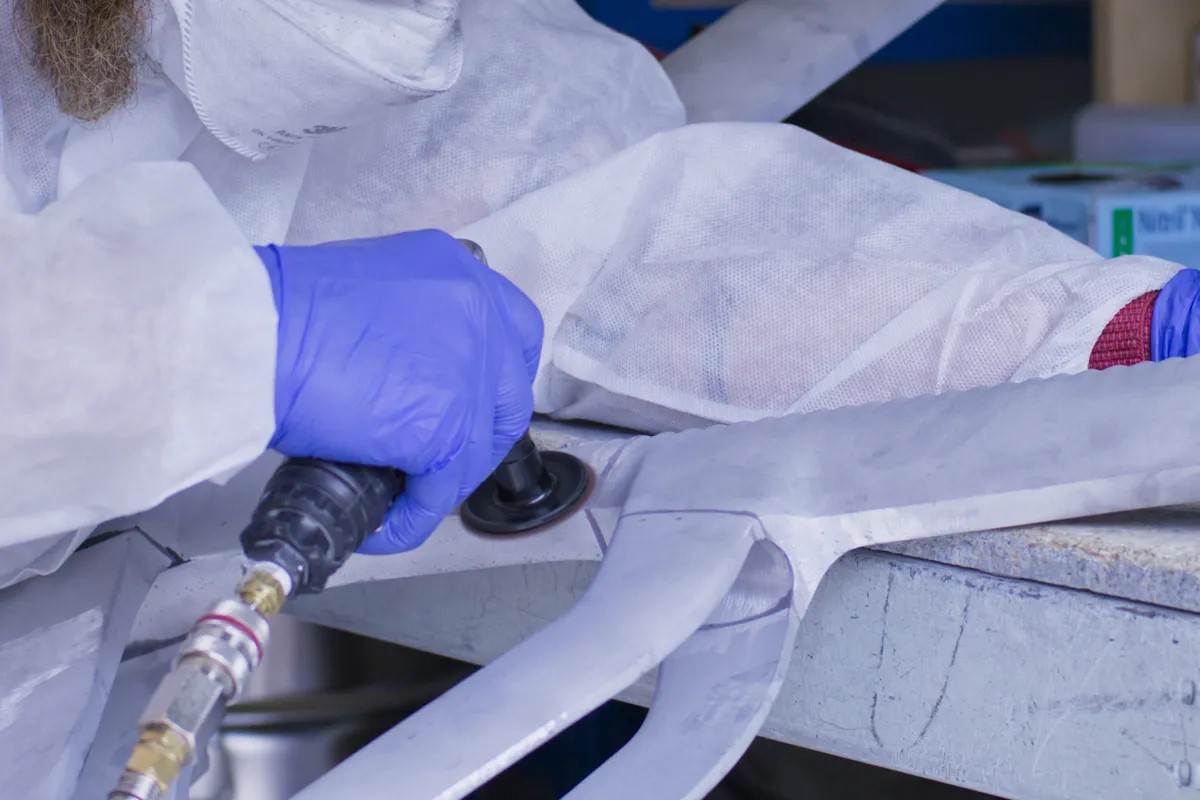
Airbus Helicopters is expanding its additive manufacturing capabilities with a new 3D printing center in Donauwörth, Germany. The facility will house additional Trumpf machines, complementing those already used to produce high-strength aluminum and titanium structural components. Initially, it will focus on manufacturing parts for the CityAirbus electric concept, the experimental high-speed Racer helicopter, and Airbus A350 and A320 passenger aircraft.
This move highlights a growing industry trend, with manufacturers of all sizes adopting 3D-printed aluminum. Let’s explore how collaborations between printer makers and material developers are unlocking innovative applications and advancing the potential of 3D-printed aluminum in various sectors.
Strengths of 3D Printing Aluminum
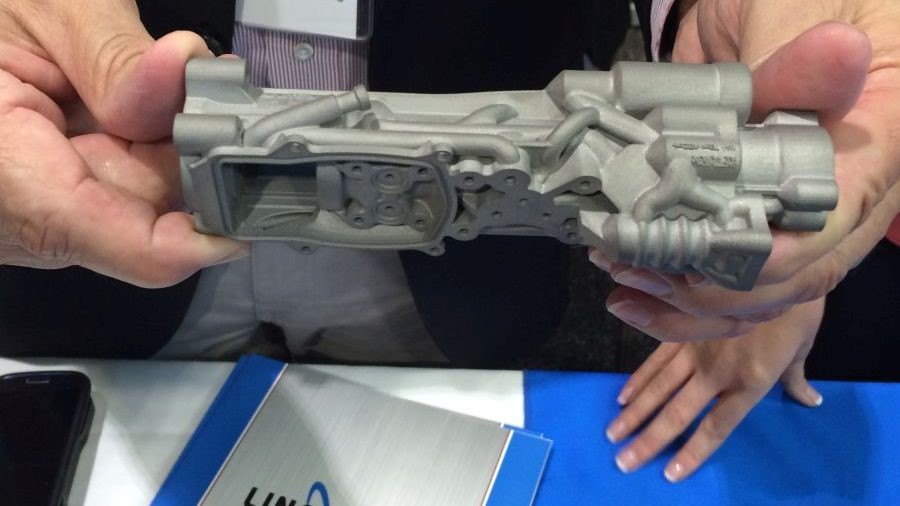
Aluminum alloys are highly valued for their excellent chemical resistance, lightweight properties, and exceptional strength-to-weight ratio, making them ideal for aerospace and automotive applications. Their ability to endure harsh conditions further solidifies their status as a go-to material in demanding industries.
When combined with the advantages of 3D printing, aluminum becomes an even more compelling choice. Additive manufacturing enables the creation of intricate internal channels and features that are impossible with traditional methods. Additionally, it allows for the consolidation of multi-part assemblies into a single unit, significantly reducing production and assembly time while delivering more efficient, high-performance components.
3D printing generates minimal waste, making it ideal for industries using expensive raw materials. This is especially relevant in aerospace, where improving the “buy-to-fly” ratio—comparing raw material weight to final part weight—is a priority. A higher ratio indicates excessive material waste, so 3D printing’s efficiency helps reduce waste, lowering costs and enhancing sustainability.
Traditional aluminum casting or machining incurs high costs, especially for low volumes, due to tooling requirements and energy use. In contrast, 3D printing offers a cost-effective solution for producing custom or low-volume parts quickly, with advancements enabling larger runs and reduced operational expenses.
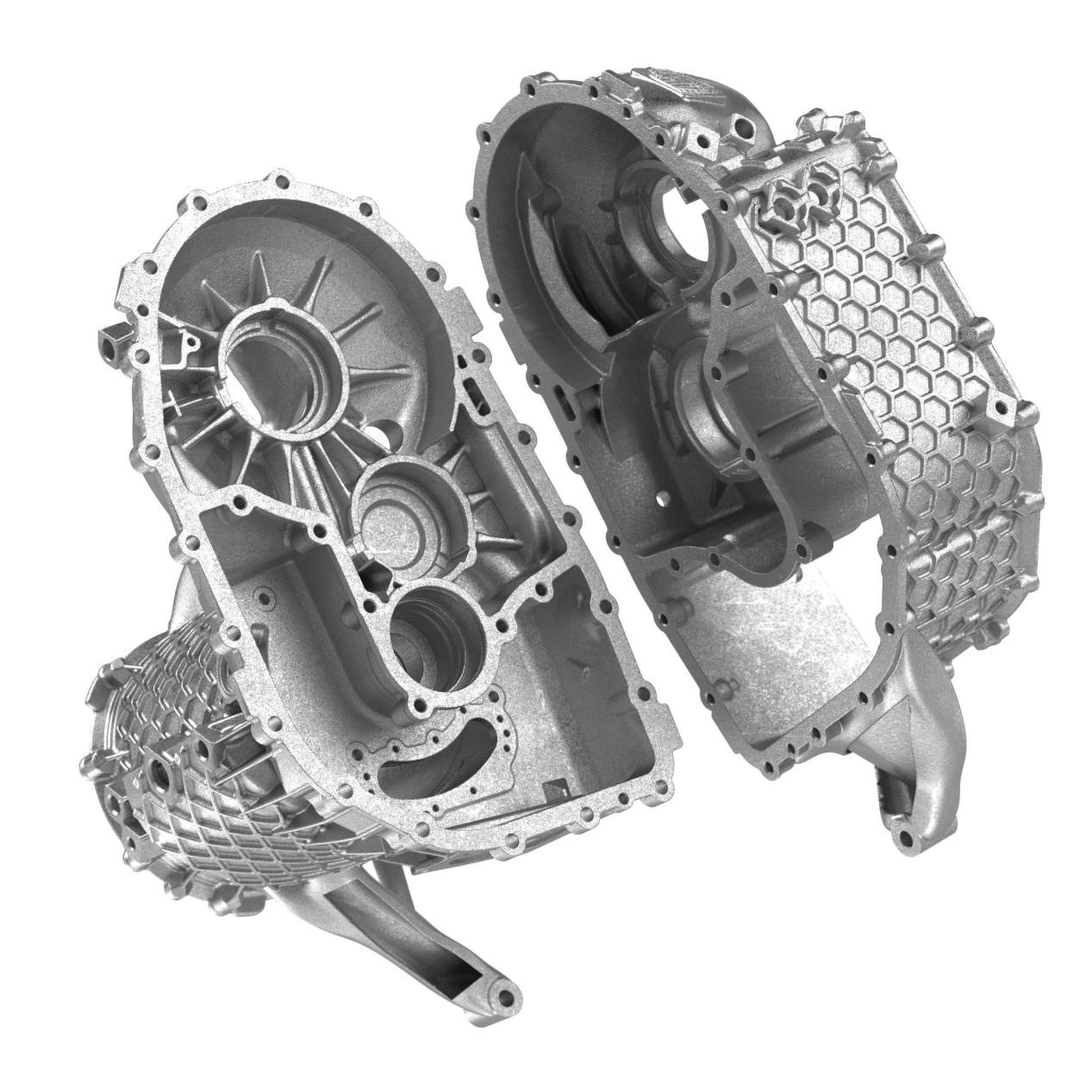
Guide to 3D Print Aluminum
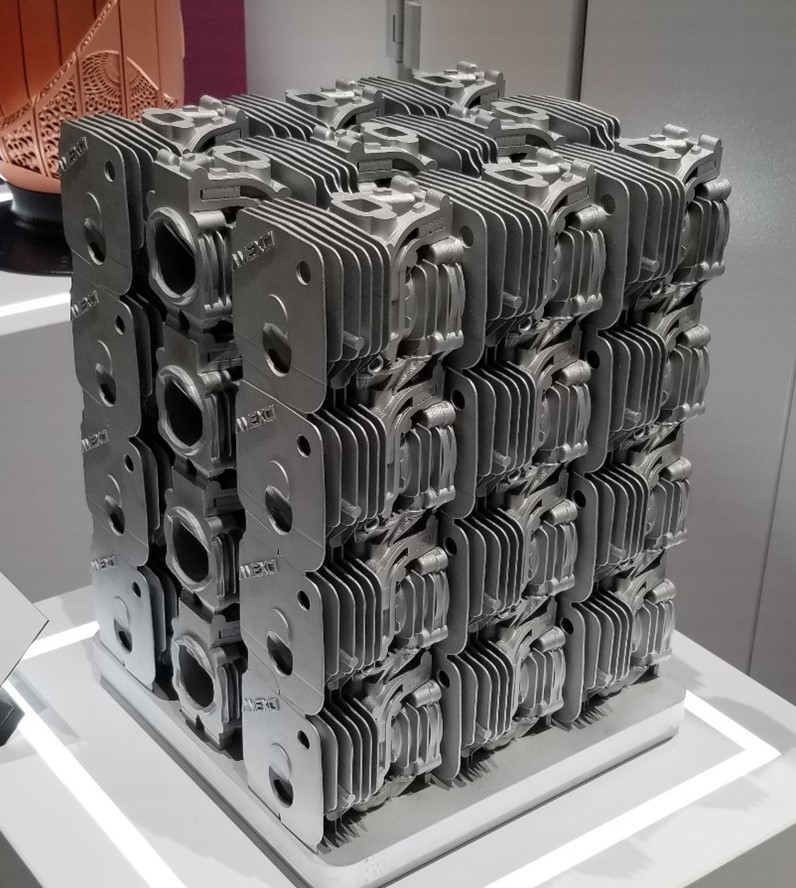
Most metal 3D printing technologies can process aluminum, with variations in speed, size, detail, and feedstock type and cost. Below are six main technologies, with additional lesser-known methods detailed.
Fused Deposition Modeling (FDM)
Currently, only two companies—The Virtual Foundry and Zetamix—offer aluminum metal filament for FDM printing. This method involves post-processing steps like debinding and sintering to produce more than 90% metal parts. While affordable, aluminum filament is best suited for decorative or prototype parts rather than functional ones, as it works on most desktop FDM printers.
Laser Powder Bed Fusion (LPBF)
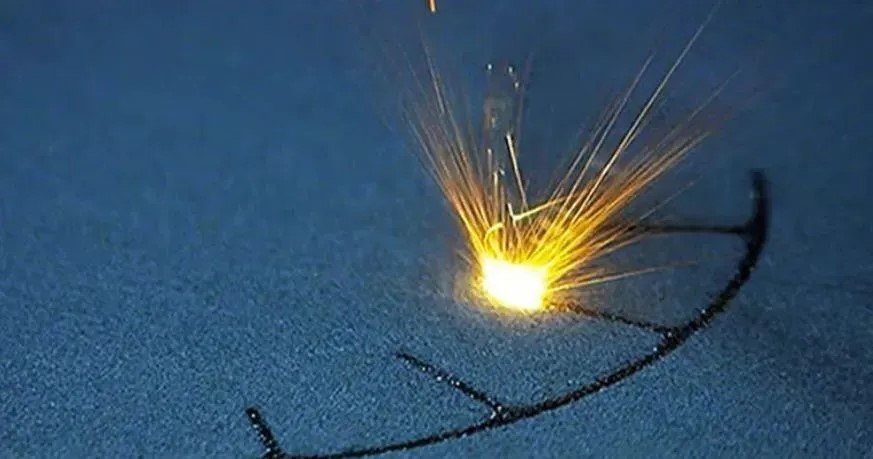
LPBF is the most common aluminum 3D printing technology, but not all printers are suited for it. Optimizing LPBF parameters based on the aluminum alloy used is crucial for controlling porosity, microstructure, and material properties. This relationship often involves collaboration between material and printer makers.
Electron Beam Melting (EBM)
EBM uses an electron beam instead of a laser, resulting in slower cooling and coarser microstructure compared to LPBF. Pure aluminum is not compatible with EBM, but titanium-aluminum alloys are.
Cold Spray & Wire Arc Additive Manufacturing (WAAM)
Cold spray and WAAM quickly create large, net-shape aluminum parts, which are then machined for finer tolerances. This method is more economical than casting for unique, heavy industrial parts.
Metal Binder Jetting
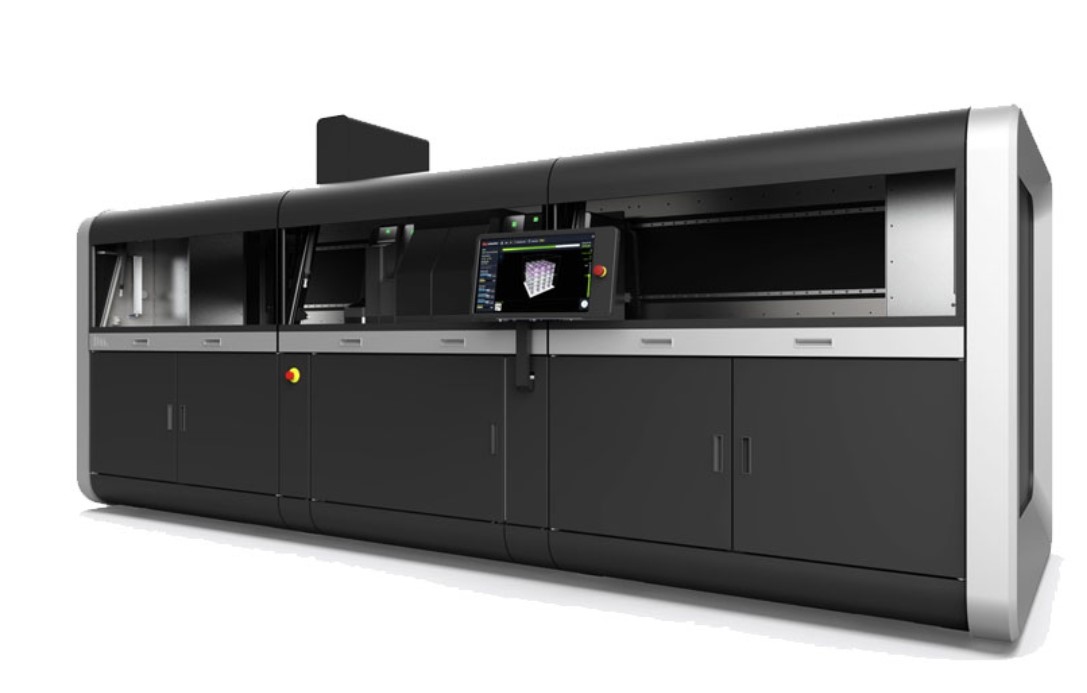
Metal binder jetting for aluminum is ideal for fast printing of medium to large volumes. This technology requires post-processing. Among the three major manufacturers of metal binder jetting 3D printers, only Desktop Metal offers aluminum printing.
Specialty Aluminum Technologies
One specialty technology for aluminum involves molten direct energy deposition (molten DED) or liquid metal jetting, which differs from metal extrusion 3D printing by using a pure metal feedstock rather than a metal-polymer blend. Available from machine makers like Grob, Valcun, and ADDiTec, this method eliminates hazardous metal powders and post-processing. Xerox previously offered this technology through its ElemX 3D printer, now owned by ADDiTec and installed at select US military sites. Another innovative approach is being developed by start-up Alloy Enterprises, which utilizes sheet lamination 3D printing using aluminum sheets, though it’s unclear if this will be offered as a machine or service.
FED is a solid-state process that avoids melting, resulting in parts with low residual stresses and full density, using significantly less energy than traditional fusion-based methods. It’s a single-step process requiring no sintering or post-processing, offering quick, hazard-free metal manufacturing without metal powders or heat.
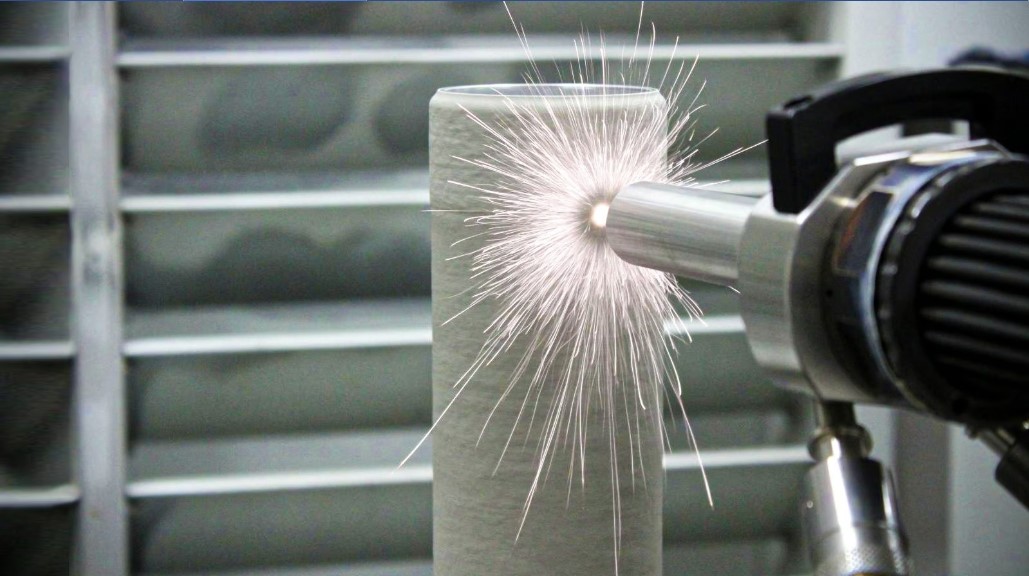
Specialized Aluminum Technologies
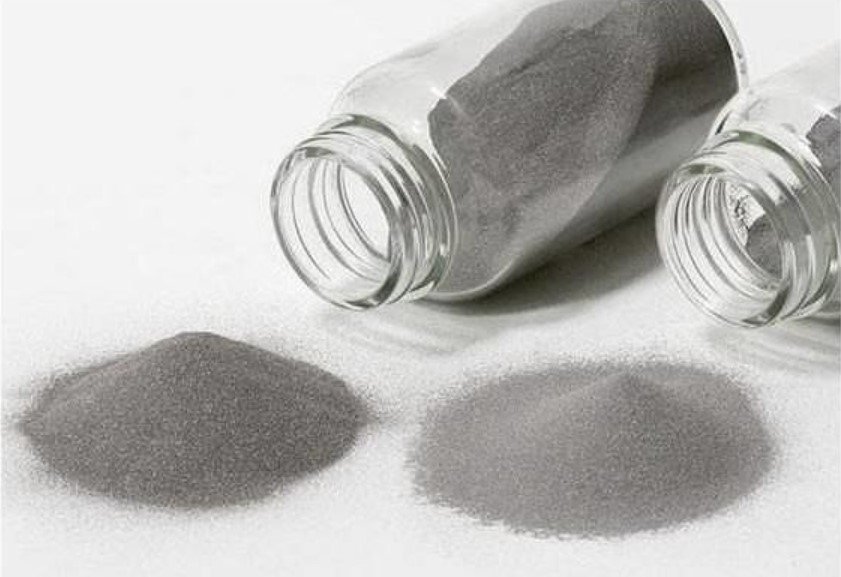
In 2024, there has been significant R&D in aluminum alloys for additive manufacturing, with new high-strength alloys like BLT-AlAM500 for aerospace and Elementum 3D’s A5083-RAM2 that doesn’t require post-build heat treatment. Engineers now have access to high-performance aluminums designed specifically for 3D printing processes, which leverage the unique melting capabilities of laser and electron beam additive manufacturing. Start-ups have also emerged with proprietary atomization techniques to produce high-performance aluminum powders for 3D printing. The range of printable metal materials has more than doubled in the last three years, vastly expanding the applications for additive manufacturing.
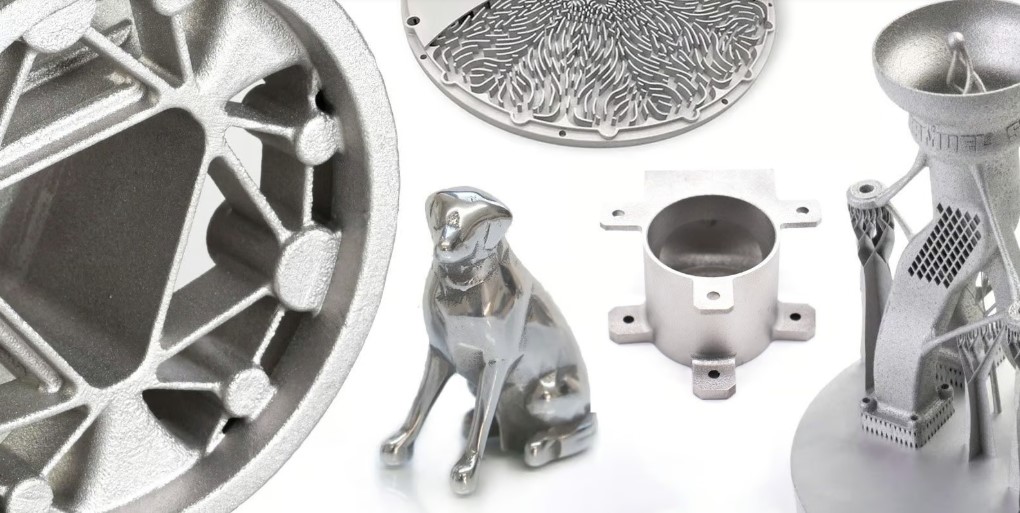
Special Aluminums for 3D Printing
- Launched in late 2022, Equispheres’ NExP-1 is a non-explosible aluminum alloy feedstock, reducing hazards in 3D printing. Its Performance AlSi10Mg powder, designed for additive manufacturing, decreased printing time by over 60% on an Aconity3D laser powder bed fusion printer.
- Scalmalloy, developed by APWorks for 3D printing, is the highest strength AM processable aluminum alloy, according to the company. It is used in aerospace and motorsports as a replacement for high-strength 7000 series aluminum.
- A20X aluminum powder, developed by Aluminium Materials Technologies (part of Eckart Group), is designed for aerospace, producing lighter components than conventional aluminums.
- Elementum 3D provides gas-atomized aluminum alloy feedstock powders, including enhanced traditional alloys and advanced dispersion-strengthened powders using its proprietary Reactive Additive Manufacturing (RAM) process. This process makes previously un-weldable aluminum alloys suitable for metal 3D printing, expanding the range of printable materials.
- EOS Aluminium Al2139 AM is a proprietary aluminum alloy engineered by EOS for additive manufacturing, offering performance up to 200ºC. Launched in 2021, it enables significant weight reduction without compromising strength, with a tensile strength around 500 MPa when heat treated.
- Aheadd is a range of two aluminum powders from Constellium, optimized for laser powder bed fusion processes. Aheadd CP1 offers excellent thermal and electrical conductivity, approaching that of pure aluminum, along with high ductility and superior surface finishing characteristics. Its very high printing speed and simplified post-processing make it a cost-effective alternative for a wide range of additive manufacturing applications, making Aheadd CP1 the ideal choice for both rapid prototyping and series production.
- S220 AM, a new aluminum alloy for laser powder bed fusion by Granges Powder Metallurgy, offers high silicon content, low density, and low thermal expansion. Available only as a service since its launch in 2022.
- CustAlloy aluminum is tailored for laser powder bed fusion, ideal for automotive applications. Its Al-Si-Mg-based composition reduces cracking, enabling crash-relevant uses. Heat treatable for high strength or exceptional ductility based on the application.
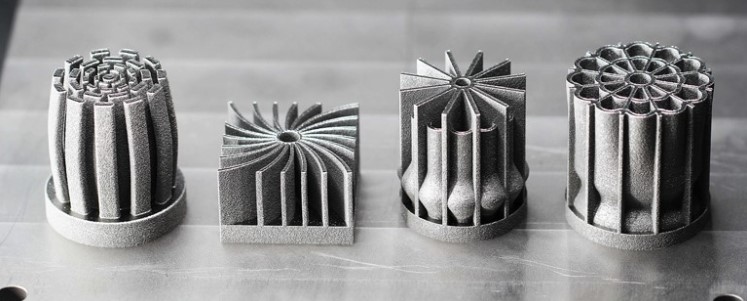
Standard Manufacturing Aluminums
Many of the current aluminum alloys for 3D printing are simple casting alloys, like AlSi10Mg. These alloys, while not particularly strong or heat-resistant, provide suitable mechanical properties for a range of applications and are weldable, making them ideal for 3D printing without cracking. However, for aerospace and advanced manufacturing, more specialized materials are needed. Despite the diversity in available aluminum alloys for additive manufacturing, only a few are widely used, reflecting the specific requirements of different industries.
- AlSi10Mg is a widely used aluminum alloy, known for its strength, hardness, and dynamic properties. Its light weight and good thermal characteristics make it suitable for challenging geometries, used in housings, ductwork, engine parts, and production tools.
- AlSi7Mg0 combines aluminum, silicon, and magnesium to create a durable, lightweight alloy suitable for fine objects and complex geometries. It’s used where strength-to-weight ratio and good thermal properties are needed.
- 3D manufacturers are starting to successfully print with Al 6061 and Al 7075, which were previously considered challenging for AM. Merging nanoparticles is showing progress in overcoming these limitations.
Alloys in the 6000 series are popular for traditional manufacturing of electrical or electronic parts due to their excellent ductility, high thermal and electrical conductivity, and corrosion resistance. The 6061 alloy, containing magnesium and silicon, is precipitation-hardened for added strength. In contrast, the 7000 series alloys, such as 7075, have high zinc content, offering exceptional mechanical properties for high-strength applications like aircraft components. 7075 is stronger than many standard structural steels, making it ideal for demanding structural parts.
For more Creality 3D Printer, you can click the related articles as follows:

Recent News

8 Halloween 3D Print Ideas to Make Before October 31

Ender Series 3D Printers Parameter Comparison

Creality Back-to-School Sale 2026: Save Up to 50% on 3D Printers and More
