


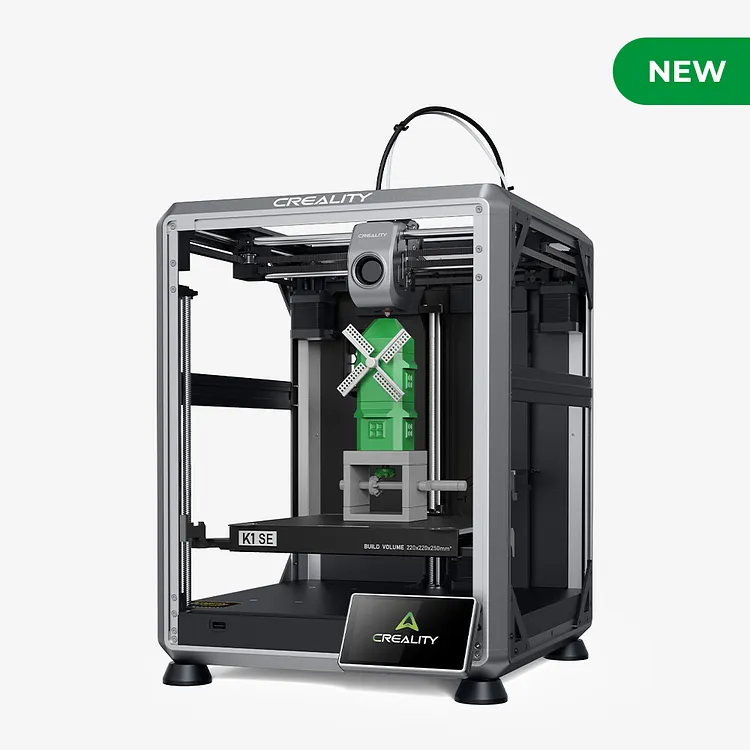
Creality K1 SE 3D Printer:
【600mm/s Printing Speed】
【Optimized for Less Ringing】
【Hands-free Auto Leveling】
【Open-source for DIY Fun】
【Quick-swap Tri-metal Nozzle】
15 3D Printed Clothes in 2024
all
2024-12-23 04:54:08
Fashion has always been about pushing boundaries. Throughout history, visionaries in the fashion industry have embraced innovation, blending technology with timeless elegance. From Coco Chanel's reimagining jersey fabric to Gianni Versace's use of chainmail, experimenting with new materials continues to shape the future of fashion. Today, one of the most exciting developments in this space is 3D printing.
3D printing in fashion transforms how clothes are made, offering a new realm of creativity and sustainability. It allows designers to create complex patterns and garments that would have been impossible to produce using traditional methods.
In this article, we’ll explore 15 unique 3D-printed clothing pieces in 2024 that represent the future of fashion. These garments not only push the envelope of design but also offer a glimpse into the world of sustainable, personalized, and futuristic clothing.
K1 SE 3D Printer
15 3D Printed Clothes
1. Iris van Herpen’s Crystallization Top

Unveiled at Amsterdam Fashion Week back in 2010, Iris van Herpen's Crystallization Top is still a big deal in the world of 3D-printed fashion. This piece was inspired by the natural beauty of shells, with its white polyamide structure mimicking the geometry found in nature. It was one of the first-ever 3D-printed couture pieces to be displayed on a runway.
The top represents the perfect mix of organic forms and high-tech fashion. Today, it's part of the permanent collection at the Museum of Decorative Arts in Paris. This piece truly shows how 3D printing can be an art form in fashion.
2. Anouk Wipprecht’s Light-Up Dress at Formnext

Anouk Wipprecht, a Dutch designer, is known for blending fashion with technology. Her light-up dress, showcased at the Formnext event in Germany in 2023, is a perfect example of this fusion.
Working with Chromatic 3D, Wipprecht created a dress embedded with 75 flexible LED domes. These LEDs respond to the environment, lighting up without the need for stitching or adhesive. It’s wearable technology at its finest, showing how 3D printing can take fashion to the next level.
3. Julia Koerner’s Kelp Jacket
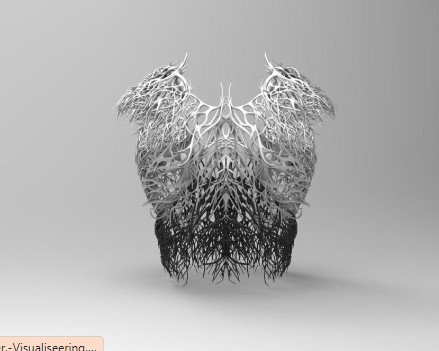
Julia Koerner, known for her work in Black Panther costumes, created the Kelp Jacket, a mesmerizing piece of wearable art. Using 3D printing technology from Stratasys, this jacket mimics organic structures found in nature.
With her use of multi-material, multi-color 3D printing, Koerner has brought fashion, biology, and technology together in a way that pushes the limits of traditional fashion.
4. ThreeASFOUR’s Harmonograph Dress
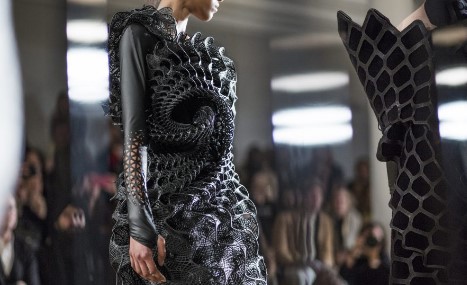
The Harmonograph Dress by ThreeASFOUR is a blend of art and science. Inspired by natural harmonic vibrations, this dress showcases the intersection of nature and technology.
Revealed in 2016, it was the first to use Agilus30 material from Stratasys, offering extreme flexibility and durability. Its futuristic look, with armor-like structures, makes it stand out on the runway. Though not for everyday wear, it's the kind of dress you’d expect to see in a sci-fi film.
5. Julia Daviy’s 3D Printed Skirt

Julia Daviy is a designer focused on sustainability, and her 3D-printed skirt is no exception. In 2018, she created a pleated skirt using selective laser sintering (SLS), which combines elegance and technology.
This skirt proves that 3D printing can produce beautiful, wearable, and environmentally friendly fashion. Daviy’s work represents the future of fashion, where sustainability and creativity go hand in hand.
6. Sylvia Heisel’s NAMEDRESS
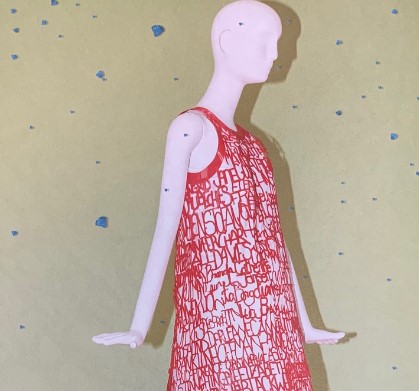
The NAMEDRESS, designed by Sylvia Heisel, is more than just clothing—it’s a tribute to women in STEM. Made from compostable bioplastic through zero-waste 3D printing, this dress is a powerful statement about sustainability and innovation.
Heisel’s designs are known for their beauty and function, and the NAMEDRESS is no different. It’s wearable technology that’s both meaningful and stylish.
7. Asher Levine’s Dragonfly Wing Bodysuit for Grimes

Asher Levine’s Dragonfly Wing Bodysuit was worn by singer Grimes in her music video Shinigami Eyes. Created using 3D printing and generative design, this bodysuit mimics the delicate structure of a dragonfly’s wings. It also lights up, creating a magical effect.
Levine used virtual reality to design the bodysuit, ensuring a perfect fit for Grimes. This piece shows how 3D printing can bring futuristic, fantasy-inspired designs to life.
8. Behnaz Farahi’s Iridescence Emotive Collar
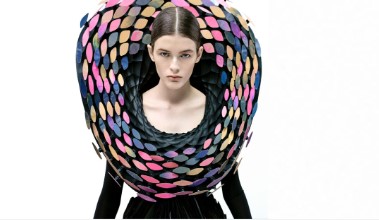
Behnaz Farahi’s Iridescence Emotive Collar is a 3D-printed wearable that responds to the people around it. Equipped with a facial tracking camera and 200 rotating quills, the collar changes colors and patterns based on the expressions of onlookers.
Inspired by the feathers of the Anna hummingbird, this piece is a perfect example of how technology can be used to create interactive and responsive fashion.
9. Zac Posen’s Rose Petal Gown for the Met Gala
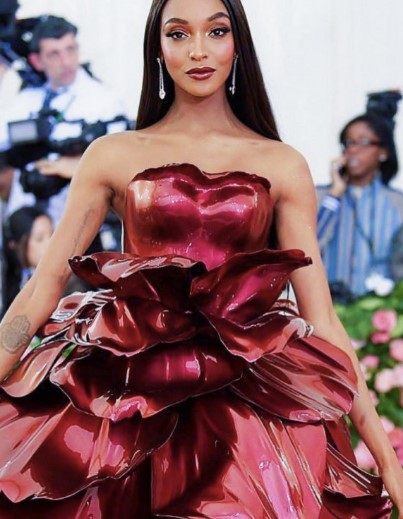
For the 2019 Met Gala, Zac Posen created the stunning Rose Petal Gown, worn by model Jourdan Dunn. This 3D-printed masterpiece featured 21 overlapping petals, each meticulously printed and finished with color-shifting paint.
The dress took over 1,100 hours to print, showcasing how 3D printing can be used to create complex, high-fashion designs. Posen’s gown combined the beauty of nature with cutting-edge technology.
10. Ashley Alleyne’s 3D Printed Vest at AMS 2024
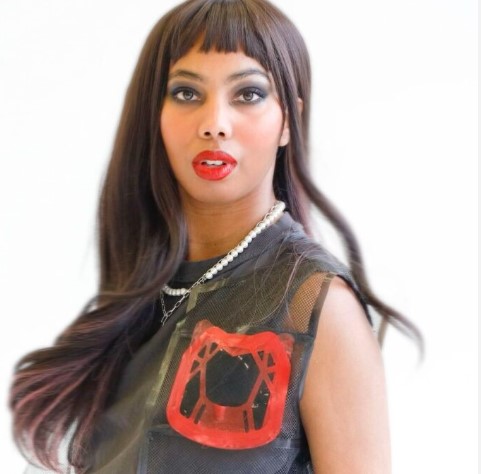
At the 2024 Additive Manufacturing Strategies (AMS) conference, Ashley Alleyne wowed the audience with her 3D-printed vest. Created using her home FDM printer, the vest was made just days before the event.
Alleyne’s design included a bold red pocket, adding both function and flair. This piece shows how accessible 3D printing has become for individual designers and creatives.
11. Anouk Wipprecht’s Spider Dress
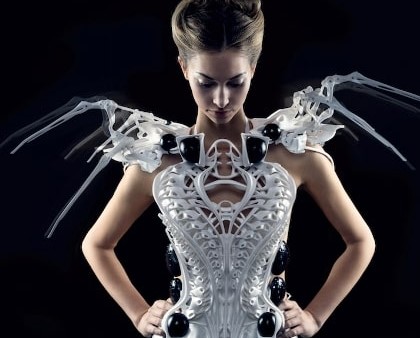
Known for her futuristic designs, Anouk Wipprecht created the Spider Dress, a 3D-printed garment with robotic arms that extend and retract in response to external stimuli. The dress reacts to the proximity of others, creating a defense mechanism that mimics a spider's movements.
Using Selective Laser Sintering (SLS) technology, Wipprecht’s design is an example of how fashion can interact with its environment in unexpected ways.
12. Julia Daviy’s Biodegradable Fashion
Julia Daviy is making waves in the fashion industry with her biodegradable, 3D-printed clothing. Unlike many 3D-printed pieces that are more conceptual than practical, Daviy’s designs are wearable and sustainable. She believes that 3D printing can reduce waste and revolutionize the way clothes are made.
Her collection includes dresses and tops that are both stylish and eco-friendly, proving that 3D printing can be a game-changer for the fashion world.
13. Travis Fitch’s Multicolor 3D Printed Dress
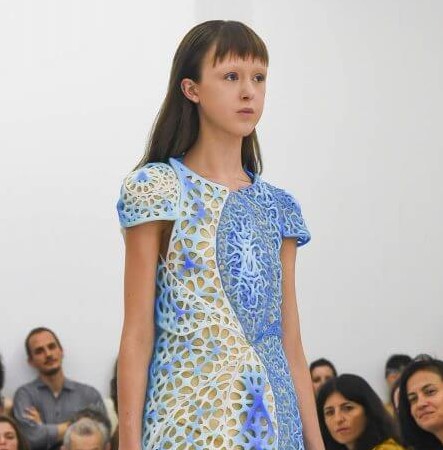
American designer Travis Fitch took multicolor 3D printing to the next level with his innovative dress design. This dress, made from 30 different sections, was printed with flexible, multi-material technology.
Unlike many monochrome 3D-printed garments, Fitch’s design is vibrant and colorful, showcasing the potential of multicolor 3D printing in fashion. It’s a bold and playful piece that responds to the movements of the body, creating a dynamic interaction between the wearer and the garment.
14. Ministry of Supply’s 3D Printed Knit Blazer
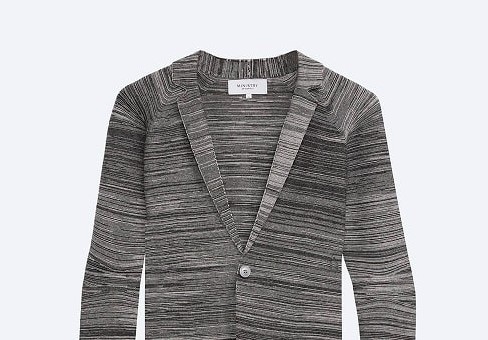
The Ministry of Supply has revolutionized sustainable fashion by incorporating 3D printing into its garment creation process, and its 3D-printed knit blazer is a standout example. Designed for ultimate comfort, durability, and eco-friendliness, this blazer embodies the future of fashion. By using 3D printing technology, the company can produce garments that conform to the body's natural movements, offering a custom-like fit that enhances both comfort and functionality.
This innovation goes beyond just aesthetics or wearability. The precision of 3D printing allows the Ministry of Supply to reduce material waste significantly during production. Traditional manufacturing often involves cutting and stitching fabric, leading to excess material being discarded. However, 3D printing minimizes these losses by constructing garments layer by layer, using only the materials needed. This waste reduction not only makes the process more sustainable but also helps decrease the overall environmental impact of fashion production, making it an eco-friendly option for conscious consumers.
Additionally, the use of advanced materials ensures the blazer is both breathable and stretchable, making it ideal for a wide range of settings—from professional work environments to casual outings. The fabric retains its shape over time, providing long-lasting durability without compromising on comfort. The 3D-printed knit blazer from the Ministry of Supply is more than just an article of clothing; it represents a shift toward smarter, more sustainable fashion that adapts to the needs of the modern wearer.
15. Alexis Walsh’s 3D-Printed Dress

Alexis Walsh, a talented designer, has created an awe-inspiring dress that pushes the boundaries of traditional fashion with the help of 3D printing. Using Selective Laser Sintering (SLS) technology, Walsh's dress is composed of 400 individually printed tiles, each meticulously assembled by hand. The result is a striking, avant-garde garment that blends art, technology, and craftsmanship in a way that’s nothing short of remarkable.
What sets Walsh’s creation apart is how 3D printing was used not just as a tool for mass production, but as a means of developing the intricate design itself. The dress features a complex pattern of interlocking geometric shapes, all designed to move and flex with the wearer. Unlike conventional dresses, this one doesn’t rely on fabric or stitching. Instead, the structured tiles create a futuristic look that’s both sculptural and wearable.
 Related Article:
15 3D Printed Cherry: Best 3D Model Ideas for 2024 >>
The Future of 3D-Printed Fashion
As we’ve seen, 3D printing is transforming the fashion industry in ways we never thought possible. From creating sustainable garments to crafting intricate, wearable art, designers are using 3D printing to push the boundaries of fashion. What’s most exciting is that this technology is only just beginning to find its place in the mainstream fashion world. As 3D printing becomes more accessible, we can expect to see even more innovative and sustainable designs in the coming years.
If you're interested in the future of fashion, 3D-printed clothing is something to keep an eye on. It’s not just about creating visually stunning pieces—it’s about revolutionizing the way we think about fashion. Whether it's on the runway or in everyday life, 3D-printed fashion is here to stay. And who knows? Your next outfit might just be 3D-printed.
Read more if you are interested in:
Recent News

all
2026-10-13
8 Halloween 3D Print Ideas to Make Before October 31
Halloween is coming, and the candy stash has already suffered a few unexplained disappearances. W...

all
2026-09-18
Ender Series 3D Printers Parameter Comparison
The Creality Ender Series has evolved significantly since the original Ender-3. What began as an ...

all
2026-08-02
Creality Back-to-School Sale 2026: Save Up to 50% on 3D Printers and More
A new school year is a chance to start fresh projects, develop practical skills and turn digital ...

all
2026-05-26
Is PLA Recyclable?
PLA is a biodegradable plastic derived from renewable resources such as corn starch or sugarcane....