



Ender-3 V3 Plus 3D Printer
【Plus Print Size: 300*300*330mm Build Volume 】
【Heavy Duty: Y-axis Dual Motors & Support Rods】
【Spectacular Speed: CoreXZ for up to 600mm/s】
【 Top-notch Performance: Reliable Clog-free Extruder kit】
【Easy Maintenance: Quick-swap Tri-metal Nozzle】
How 3D Printed Saddles Can Enhance Your Cycling Comfort
all
2024-12-23 05:02:05
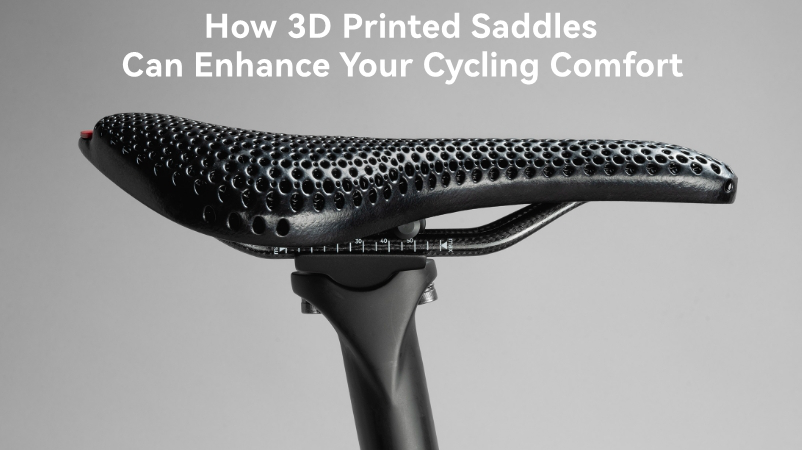
Ever wondered how to take your cycling comfort to the next level? The answer might lie in 3D printed bike saddles. With their innovative design and cutting-edge technology, these saddles promise a more comfortable and efficient ride. Unlike traditional saddles, which rely on moulded foam or gel, 3D-printed saddles feature a customizable lattice structure that provides superior support and vibration dampening.
This tailored comfort can reduce fatigue and enhance performance, making long rides more enjoyable. But are they worth the investment? Let's explore how 3D printed saddles can revolutionize your cycling experience, offering a premium option for serious cyclists seeking the ultimate in comfort and performance.
Ender-3 V3 Plus 3D Printer
What is a 3D Printed Saddle?
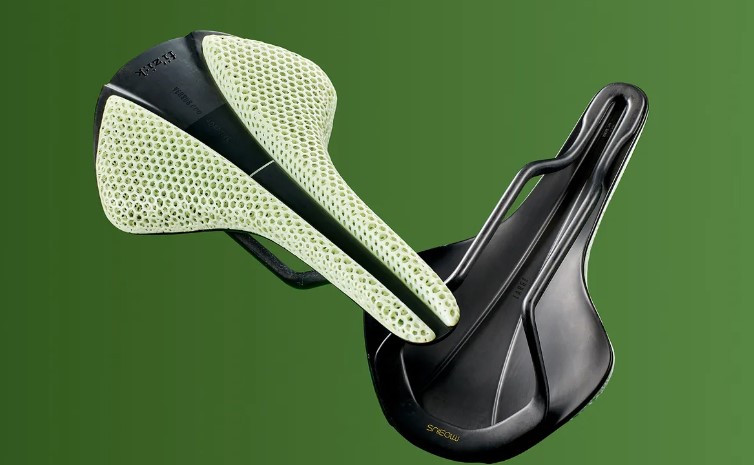
A 3D printed saddle is crafted using advanced additive manufacturing techniques, resulting in uniquely structured padding that offers unparalleled comfort. Unlike traditional saddles, which rely on moulded foam or gel, 3D printed saddles feature a lattice structure that can be customized for density and support. This innovative design allows for precise adjustments to different areas of the saddle, providing tailored support where it’s needed most.
The 3D printing process creates a complex lattice of hexagon-shaped polymers, enhancing vibration dampening and pressure distribution, which significantly improves overall ride comfort and performance.
The Technology Behind 3D Printed Saddles
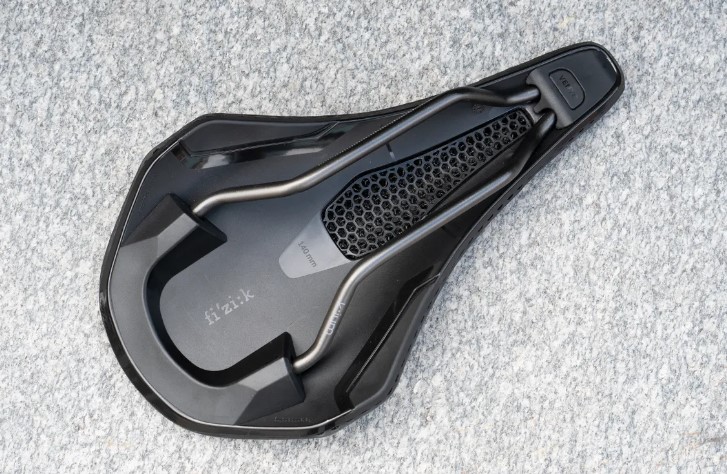
3D printed bike saddles utilize a digital 3D file to shape the saddle's padding, allowing for intricate designs and precise adjustments. This process involves printing layer by layer, resulting in a lattice of hexagon-shaped polymers. This structure provides variable padding density, which is tailored to the rider's needs. According to Alex Locatelli, product manager at Fizik, this method enables rapid prototyping and testing, making it easier to optimize saddle designs.
Excellent UV Stability
With ASA 3D Printing, the excellent UV stability is the best impression that stands out. ASA unlike most other thermoplastic filaments used in 3D printing has the ability to take too much light without feature degradation. This makes it good for application in the outside environment where many other materials would not last very long.
- Design Flexibility: Traditional saddles require moulds for the padded section, making design changes cumbersome and expensive. In contrast, 3D-printed saddles start with a digital file, allowing designers to tweak the internal structure, cell shapes, and densities quickly.
- Precision Manufacturing: The digital file guides the 3D printer to deposit material in precise locations, creating a complex lattice structure that traditional manufacturing cannot achieve. This process, known as additive manufacturing, builds the saddle layer by layer, allowing for intricate designs that provide better support and comfort.
Benefits of 3D Printed Saddles
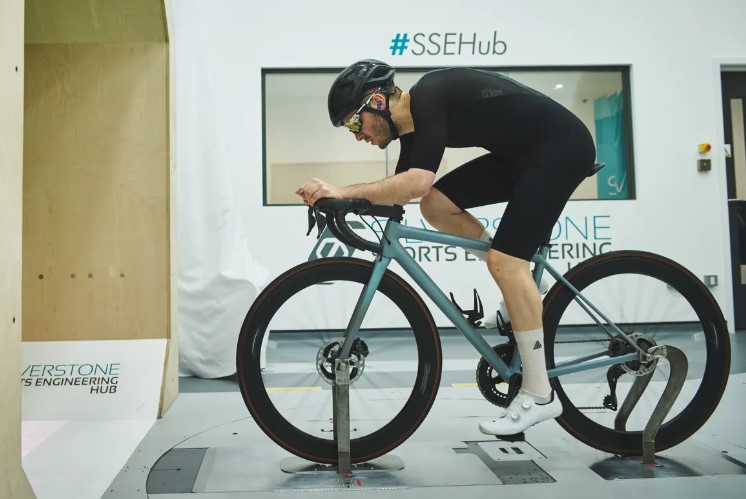
- Enhanced Comfort: The lattice structure of 3D-printed saddles offers better vibration dampening and pressure absorption, which can reduce discomfort and fatigue over long rides. This design distributes pressure more evenly, preventing "hot spots" and improving overall ride quality.
- Customized Support: By varying the density across different parts of the saddle, 3D-printed bike saddles can provide tailored support where it's needed most, such as the saddle wings and nose.
- Quick Iterations: The ability to quickly print and test new designs means that manufacturers like Fizik can refine their products more efficiently, leading to better ergonomic solutions for cyclists.
- Durability: The materials used in 3D-printed saddles are often more durable than traditional foams and gels, ensuring a longer lifespan and better performance over time.
- Weight Reduction: Despite their enhanced comfort and durability, 3D-printed saddles can be lighter than traditional saddles, making them an attractive option for performance-focused cyclists.
Are 3D Printed Saddles Worth the Investment?
For many cyclists, the improved comfort and performance of 3D-printed saddles can justify the high cost. They are particularly beneficial for long-distance riders who need superior vibration dampening and pressure distribution. However, for shorter rides or racing scenarios where firm support is more critical, the advantages may be less noticeable.
- Long-Distance Riders: The further you ride, the greater the potential benefit. 3D-printed saddles offer significant comfort improvements over long distances, making them ideal for endurance cyclists.
- Gravel Riders: Those who ride on rough terrain may appreciate the vibration absorption offered by 3D-printed padding, which can reduce fatigue and improve control.
- Racers: For cyclists involved in shorter, high-intensity races, the benefits of 3D-printed saddles may be less pronounced. A firmer saddle might provide better power transfer and support during short, intense efforts.
Additional Tips for Maximizing Comfort
While upgrading to a 3D-printed saddle can significantly improve your cycling experience, consider these additional tips to maximize comfort:
- 1. Proper Bike Fit: Ensuring your bike is properly fitted to your body can prevent discomfort and enhance performance. A professional bike fitting can identify the best saddle shape and position for you.
- 2. Quality Cycling Shorts: Investing in high-quality cycling shorts with good padding can complement the comfort provided by a 3D-printed saddle.
- 3. Regular Maintenance: Keep your bike and saddle in good condition with regular maintenance. Check for wear and tear, and replace components as needed to maintain optimal performance.
By combining a 3D-printed saddle with these additional measures, you can achieve a comfortable and enjoyable cycling experience, no matter how far you ride.
Conclusion
3D printed bike saddles represent a significant advancement in cycling comfort and performance. Their innovative design and customizable support make them a compelling choice for serious cyclists. While they come at a premium price, the benefits can be substantial for those who spend long hours in the saddle. For a more affordable entry into the world of 3D printing, consider utilizing Creality's 3D printers to explore the possibilities of custom cycling gear and beyond.
Embrace the future of cycling comfort with 3D printed saddles and experience a ride like never before. Whether you're a long-distance rider seeking enhanced comfort or a gravel enthusiast looking for better vibration absorption, these saddles offer a high-tech solution to traditional discomforts. Explore the latest 3D printed saddles and consider the investment for a superior riding experience.
For more Creality 3D Printer, you can click the related articles as follows:

Recent News

all
2026-10-13
8 Halloween 3D Print Ideas to Make Before October 31
Halloween is coming, and the candy stash has already suffered a few unexplained disappearances. W...

all
2026-09-18
Ender Series 3D Printers Parameter Comparison
The Creality Ender Series has evolved significantly since the original Ender-3. What began as an ...

all
2026-08-02
Creality Back-to-School Sale 2026: Save Up to 50% on 3D Printers and More
A new school year is a chance to start fresh projects, develop practical skills and turn digital ...

all
2026-05-26
Is PLA Recyclable?
PLA is a biodegradable plastic derived from renewable resources such as corn starch or sugarcane....