



K1 Max AI Fast 3D Printer: $769.00
【Easy Setup.Easy Use.】
【Speed: 600mm/s Printing Speed】
【Versatility: Al LIDAR for precise detailing】
【Hands-free Auto Leveling】
【Build Volume: 300 x 300 x 300mm】
Rapid Introduction to 3D Printing Car Components
all
2024-12-23 04:56:10
Have you ever considered how 3D printing car parts could transform the automotive industry? Imagine creating intricate dashboard components, robust mechanical pieces, or customized parts on demand. 3D printing provides a cost-effective and flexible alternative to traditional manufacturing methods, making it a game-changer for large-scale manufacturers and hobbyists.
This guide will explore the benefits of 3D printing car components, its diverse applications, and the top 3D printers that can bring your automotive projects to life.
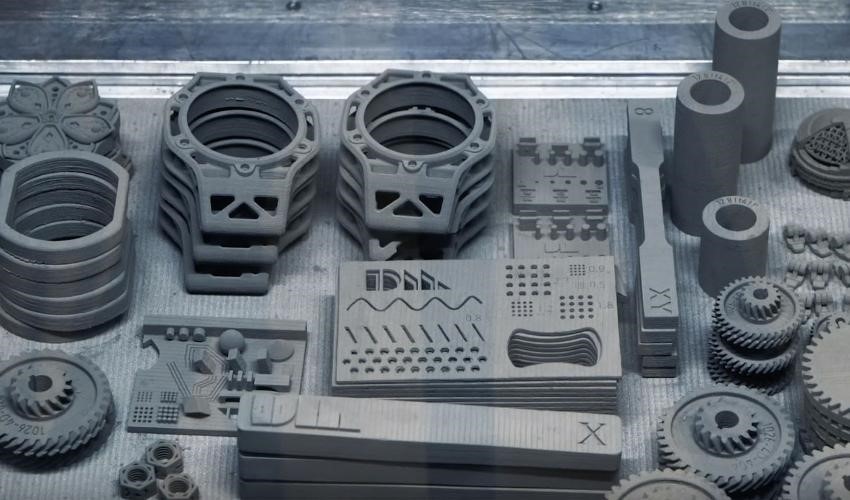
The Rise of 3D Printing in Automotive
3D printing, or additive manufacturing, creates three-dimensional objects from digital files by layering material. This technology has become increasingly popular in car manufacturing because it can produce complex, customized parts quickly and affordably.
Applications of 3D Printing Car Parts
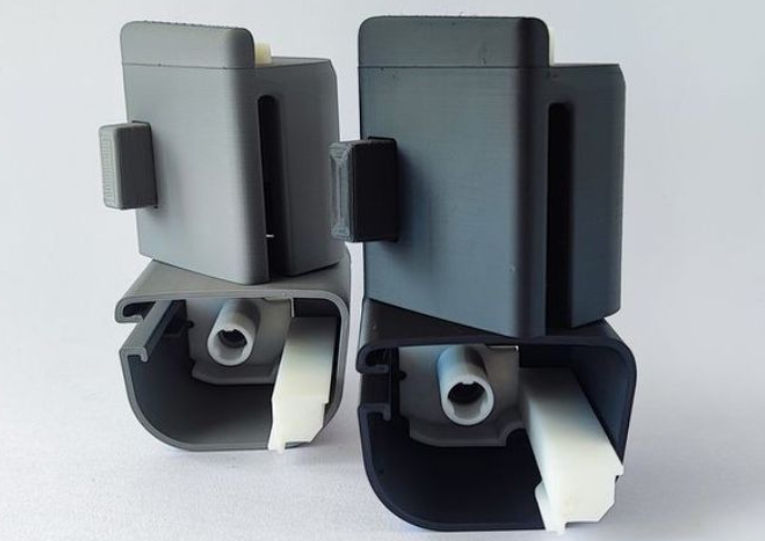
The versatility of 3D printing car parts has opened up numerous applications in the automotive industry:
- Prototyping: Quickly create prototypes for testing and development.
- Functional Parts: Produce fully operational components like ducts, vents, and mechanical parts.
- Customization: Tailor parts to specific models or customer preferences.
- Replacement Parts: Print-on-demand replacements, reducing inventory costs.
Benefits of 3D Printing Car Parts
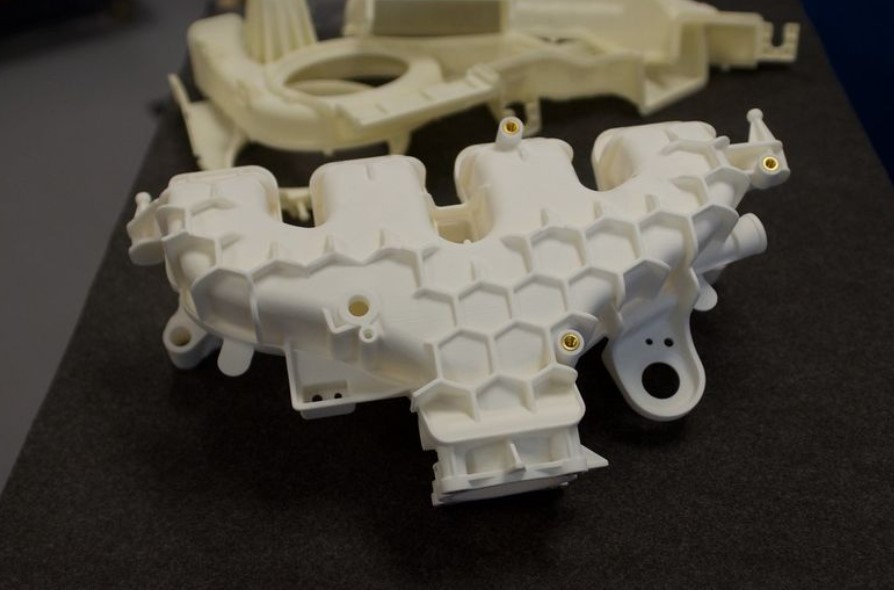
3D printing car parts offer several advantages over traditional manufacturing:
- Cost Efficiency: Reduces production costs by minimizing waste and lowering inventory expenses.
- Customization: Allows for personalized parts, enhancing customer satisfaction.
- Speed: Accelerates the production process, enabling rapid prototyping and faster time-to-market.
- Improved Performance: Greater design freedom leads to more efficient structures and enhanced part performance.
How to 3D Print Car Parts?
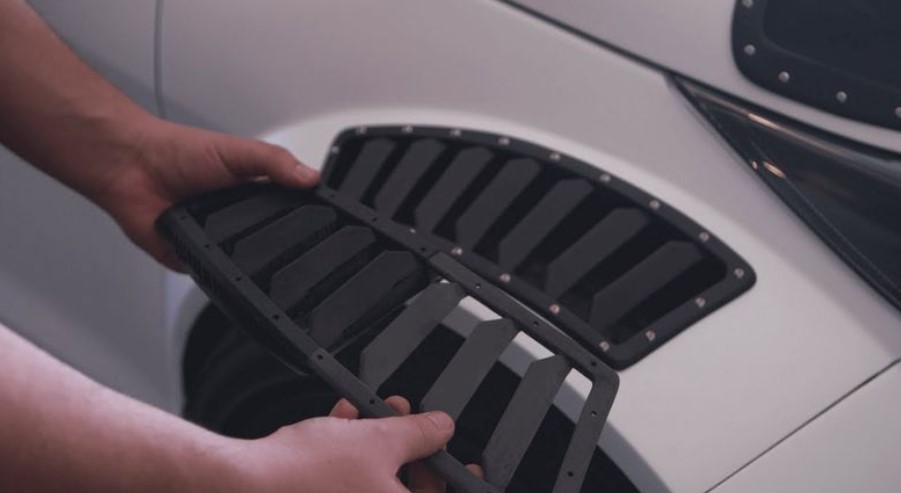
Understanding each step is crucial for producing high-quality, functional components for your vehicle. Let's dive into the details of materials, design considerations, and the printing process itself.
Materials
Choosing a suitable material is crucial for 3D printing car parts. The selected material will determine the durability, strength, and overall performance. Common materials include:
- PLA and ABS Plastics: These materials suit smaller, non-critical parts. PLA is biodegradable and easy to print, making it ideal for prototypes and cosmetic parts. ABS is more durable and can withstand higher temperatures, making it suitable for parts exposed to moderate stress and heat.
- Nylon and Carbon-Fiber-Reinforced Filaments: These materials are perfect for stronger components. Nylon is tough, flexible, and wear-resistant, making it ideal for parts that need to endure mechanical stress. Carbon-fiber-reinforced filaments offer even greater strength and stiffness and are suitable for high-performance applications.
- Metals (e.g., Titanium, Steel): Metals are essential for high-temperature and pressure-resistant parts. Titanium is lightweight yet incredibly strong, perfect for critical engine components. Steel provides excellent durability and deformation resistance, making it ideal for heavy-duty parts.
Design
Creating a digital design is the first step in 3D printing car parts. CAD software or 3D scanners are used to design or replicate the part. Consider the following factors to ensure the best results:
- Function: Ensure the design meets the part's functional requirements. Understand how the part will be used and what stresses it will encounter.
- Material Compatibility: Choose materials suitable for the part’s intended use. The design should account for the properties of the chosen material, such as strength, flexibility, and heat resistance.
- Fit: Ensure the part fits within the vehicle and interacts correctly with other components. Accurate measurements and tolerances are essential to ensure the part integrates seamlessly into the car’s existing structure.
Printing Process
Once the design is ready, it’s time to print. The printing process involves several key steps:
- Slicing the Model: The digital model is cut into thin layers using slicing software. Each layer represents a cross-section of the final object. This step is crucial for guiding the printer on how to build the part layer by layer.
- Printing the Layers: The printer reads the sliced file and starts printing from the bottom layer. The material is deposited layer by layer to build the part. Depending on the design's complexity and the printer's capabilities, this process can take anywhere from a few hours to several days.
- Post-Processing: After printing, the part may require post-processing steps such as cleaning, smoothing, and curing. These steps are necessary to remove any supports used during printing, enhance the surface finish, and ensure the part meets the desired specifications. Post-processing may involve sanding, painting, or additional treatments to improve the part's appearance and performance.
Best 3D Printers for Car Parts: Creality’s K1 Series
When it comes to 3D printing car parts, having the correct printer is essential. Creality’s K1 Series offers powerful options for both professionals and enthusiasts.
Creality K1 Max AI Fast 3D Printer
The K1 Max-AI Fast 3D Printer provides exceptional speed and accuracy, making it ideal for producing high-quality car parts quickly and efficiently.
Creality K1C 3D Printer

The K1C 3D Printer is a versatile and affordable option for printing car parts, offering excellent performance and quick turnaround times.
 Related Articles:
How to Edit & Repair STL Files with STL Editor Free? >>
Conclusion
3D printing car parts transform the automotive industry, offering unmatched flexibility, cost-efficiency, and speed. Creality’s K1 Series provides the tools you need to bring your automotive projects to life, whether you're professional or doing it for fun. For more information on 3D printing car parts, visit our official website. Explore the capabilities of the K1 Series and see how you can revolutionize your automotive projects today.
By integrating 3D printing car parts into your workflow, you can achieve greater customization, efficiency, and performance. Creality’s K1 Series, with its advanced features and robust performance, is your perfect partner in this innovation journey. Try today!
Read more if you are interested in:
Recent News

all
2026-10-13
8 Halloween 3D Print Ideas to Make Before October 31
Halloween is coming, and the candy stash has already suffered a few unexplained disappearances. W...

all
2026-09-18
Ender Series 3D Printers Parameter Comparison
The Creality Ender Series has evolved significantly since the original Ender-3. What began as an ...

all
2026-08-02
Creality Back-to-School Sale 2026: Save Up to 50% on 3D Printers and More
A new school year is a chance to start fresh projects, develop practical skills and turn digital ...

all
2026-05-26
Is PLA Recyclable?
PLA is a biodegradable plastic derived from renewable resources such as corn starch or sugarcane....