

A Comprehensive Buyer Guide for Top 10 3D Scanners of 2025
You must be aware that recently, 3D printer scanners has emerged as a cutting-edge tool across various industries. From engineering and manufacturing to healthcare and entertainment, the applications of 3D scanners for 3D printing are vast and diverse. With the market heavily flooded with options, it can be daunting to navigate through the variety of 3D scanners available.
But don't worry.
Below, I am going to share with you, the top 10 3D scanners of 2025, each thoroughly evaluated for its capabilities, features, and value proposition.
1. Creality CR-Scan Ferret 3D Scanner
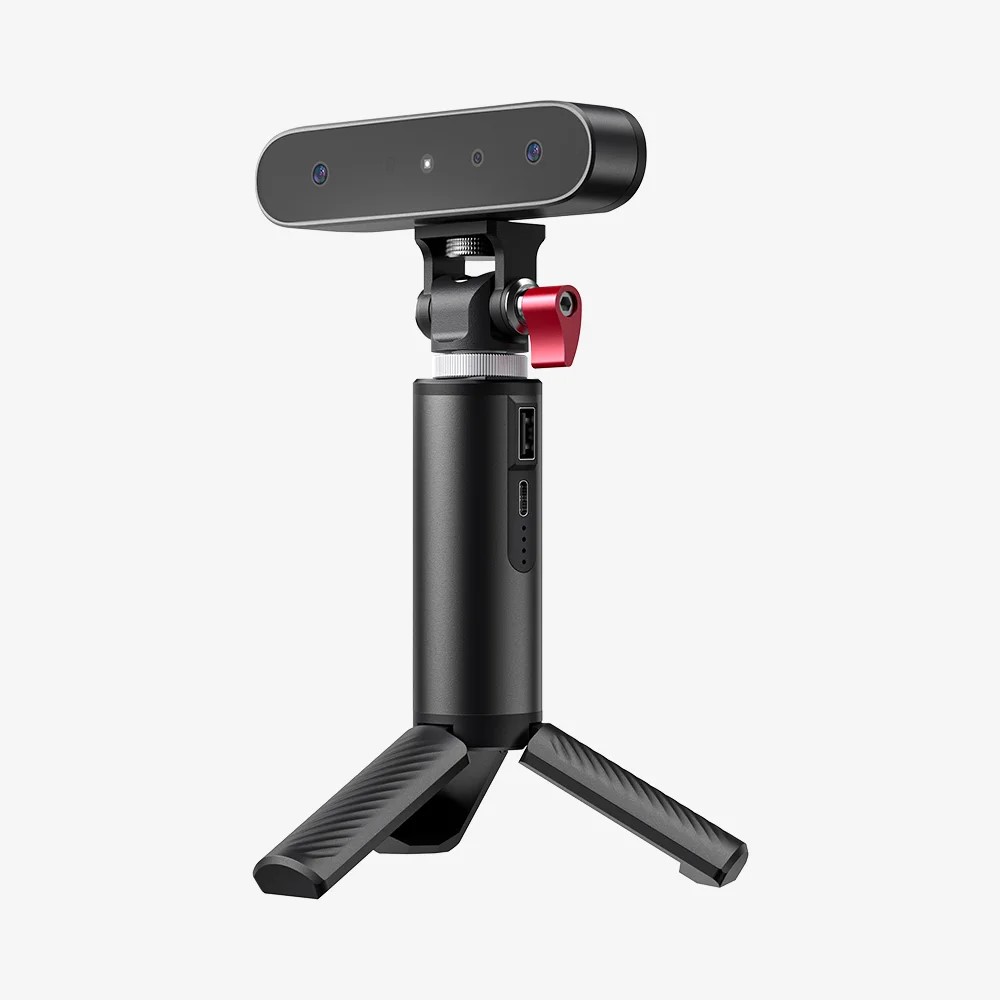
The Creality Scan Ferret is a budget-friendly 3D printer scanner designed for beginners and hobbyists. Its lightweight and portable design makes it ideal for users looking to explore 3D scanning without much money. With structured light technology, it offers decent accuracy and versatility for various scanning tasks, from small objects to medium-sized artifacts.
Specifications:
- Accuracy: up to 0.1 mm
- Technology: Structured Light
- Working Distance: 150 – 700 mm
- Market Price: $329
Pros:
- It has an affordable price point that makes it accessible to beginners and hobbyists.
- It is a lightweight and portable design for convenient use.
- This scanner has a decent accuracy of up to 0.1 mm and is suitable for basic scanning tasks.
Cons:
- It has a limited working distance that may restrict the scanning of larger objects.
- Its software may lack advanced features compared to higher-end models.
2. Revopoint POP 3
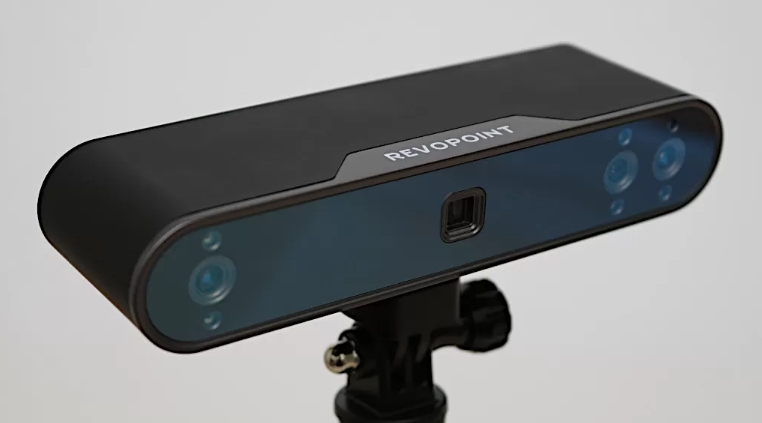
The Revopoint POP 3 stands out with its impressive accuracy and compact form factor. It's a versatile 3D scanner suitable for small-scale scanning projects, offering high precision and detail resolution.
Whether you're capturing complex details or scanning small objects, the Revopoint POP 3 delivers consistent results with minimal effort.
Specifications:
- Accuracy: Up to 0.05 mm
- Technology: Structured Light
- Working Distance: 150 – 400 mm
- Market Price: $659
Pros:
- It has an impressive accuracy of up to 0.05 mm for detailed scans.
- Its compact form factor enhances portability and ease of use.
- This 3D printer scanner is versatile for small-scale scanning projects with consistent results.
Cons:
- Its limited working distance may pose challenges for scanning larger objects.
- It has a slightly higher price point compared to other budget options.
3. Matter and Form 3D Scanner V2
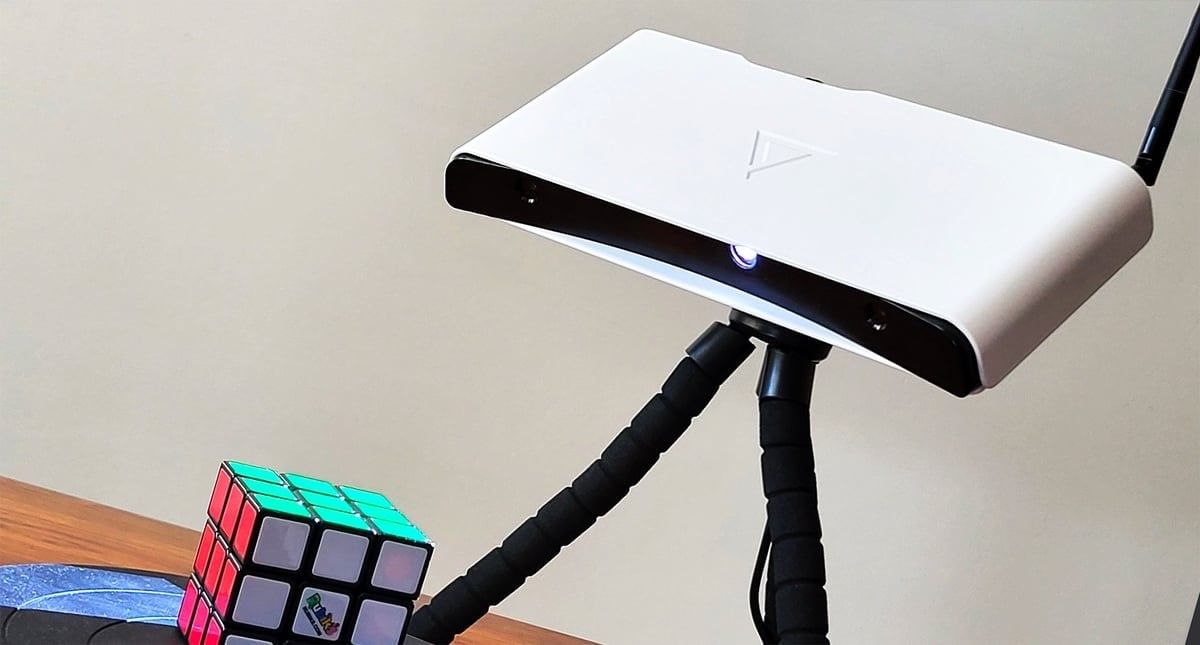
The Matter and Form 3D Scanner V2 excels in its simplicity and efficiency. With laser triangulation technology, it ensures precise scans with minimal setup. Its intuitive software interface and compatibility with various platforms make it a versatile choice for both beginners and professionals alike.
Specifications:
- Accuracy: up to 0.1 mm
- Technology: Laser Triangulation
- Working Distance: 180 - 250 mm
- Price: $749
Pros:
- It has got laser triangulation technology ensures precise scans with minimal setup.
- Its intuitive software interface is suitable for beginners and professionals.
- This scanner is compatible with various platforms for seamless integration into existing workflows.
Cons:
- This scanner has moderate accuracy of up to 0.1 mm and may not meet the requirements of some advanced users.
- Its limited working distance compared to some competitors.
4. Scan Dimension Sol
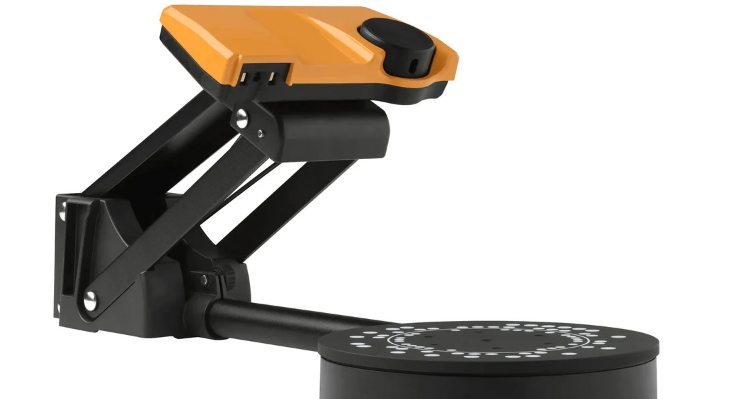
The Scan Dimension Sol impresses with its user-friendly design and reliable performance. Equipped with laser triangulation technology, it delivers accurate scans with high-detail resolution.
If you're digitizing objects for 3D printing or creating immersive virtual experiences, the Scan Dimension Sol offers exceptional results with minimal hassle.
Specifications:
- Accuracy: up to 0.1 mm
- Technology: Laser Triangulation
- Working Distance: 150 – 700 mm
- Market Price: $799
Pros:
- It provides you with accurate scans with high-detail resolution using laser triangulation technology.
- Its user-friendly design and intuitive software for efficient scanning.
- The versatile applications are available in this scanner, ranging from 3D printing to virtual experiences.
Cons:
- It has restricted working distance and may limit the scanning of larger objects.
- It has a slightly higher price point compared to other budget options.
5. Shining 3D Einstar
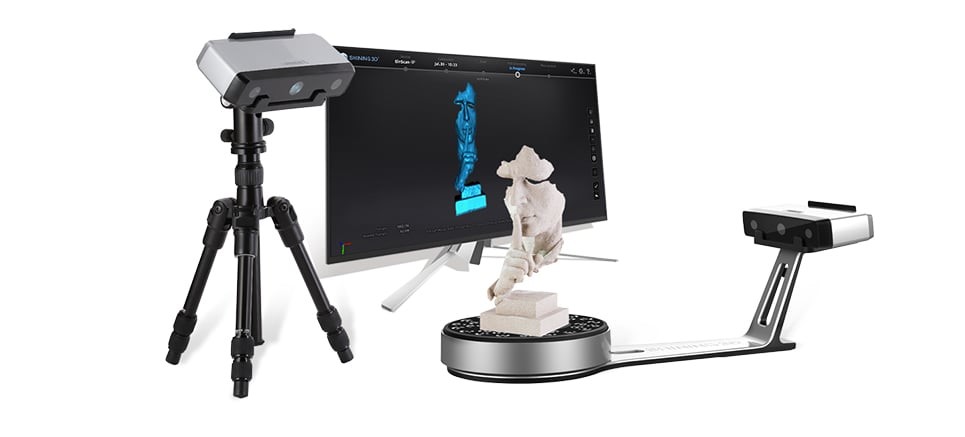
The Shining 3D Einstar is a versatile solution for professionals and enthusiasts alike. With structured light technology, it captures detailed scans of objects ranging from small artifacts to large sculptures.
Its adjustable working distance and intuitive software make it a valuable addition to any 3D scanning toolkit.
Specifications:
- Accuracy: up to 0.1 mm
- Technology: Structured Light
- Working Distance: 160 - 1400 mm
- Market Price: $959
Pros:
- It has structured light technology which captures detailed scans of objects with precision.
- Its adjustable working distance enhances versatility for various scanning tasks.
- It has an intuitive software interface for seamless scanning workflows.
Cons:
- This scanner has a relatively higher price point compared to some budget alternatives.
- It has limited compatibility with certain operating systems or platforms.
6. Structure Sensor Pro
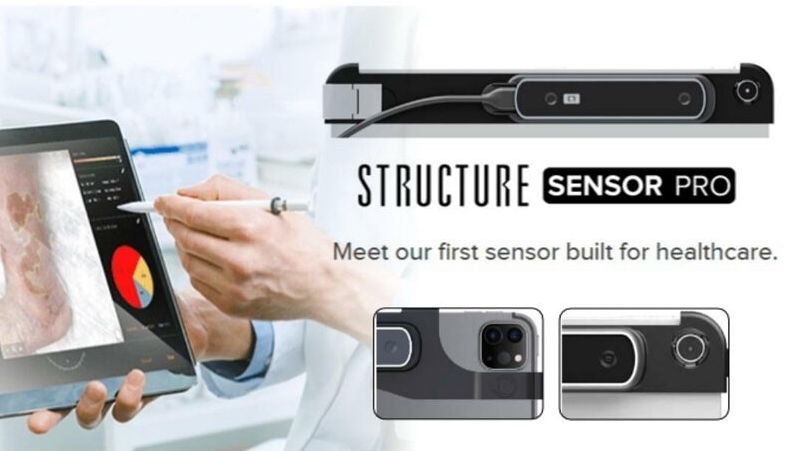
The Structure Sensor Pro offers unparalleled versatility with its long-range scanning capabilities. Whether you're capturing large architectural structures or conducting archaeological surveys, this scanner delivers exceptional results with its structured light technology. Its robust construction and seamless integration with mobile devices make it a preferred choice for professionals in various fields.
Specifications:
- Accuracy: N.A.
- Technology: Structured Light
- Working Distance: 300 - 5,000 mm
- Market Price: $995
Pros:
- Its long-range scanning capabilities are suitable for capturing large structures.
- Its robust construction ensures durability and reliability in diverse environments.
- This scanner provides seamless integration with mobile devices and enhances portability and convenience.
Cons:
- Its lack of specified accuracy may deter users from requiring precise measurements.
- It has a slightly higher price point compared to some entry-level scanners.
7. Revopoint Miraco
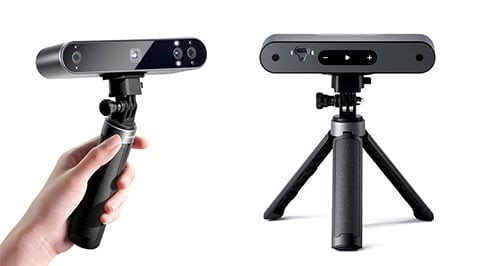
The Revopoint Miraco sets a new standard for precision and versatility in 3D scanning. With its advanced structured light technology, it captures complex details with astonishing accuracy. If you want to digitize industrial components or create lifelike 3D models, the Revopoint Miraco delivers unmatched performance with its wide working distance and intuitive software.
Specifications:
- Accuracy: Up to 0.05 mm
- Technology: Structured Light
- Working Distance: 100 - 1000 mm
- Market Price: $1300
Pros:
- It has an advanced structured light technology that delivers high-precision scans.
- Its wide working distance accommodates scanning of various object sizes.
- It has an intuitive software interface that enhances user experience and workflow efficiency.
Cons:
- This scanner has a relatively higher price point compared to other budget options.
- It may require additional post-processing for complex scans.
8. iPhone 15 Pro
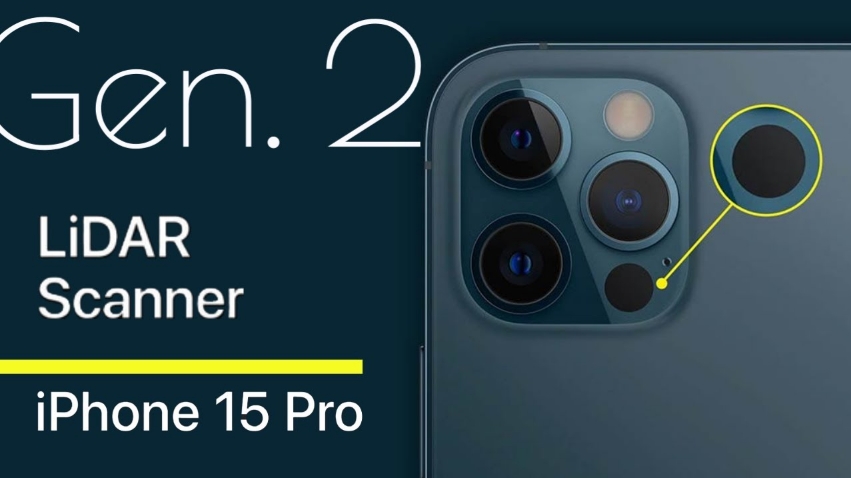
The iPhone 15 Pro revolutionizes 3D scanning with its integrated LiDAR technology. As a portable and versatile solution, it offers convenience and ease of use for capturing 3D scans on the go. Whether you're exploring augmented reality applications or conducting spatial mapping, the iPhone 15 Pro proves to be a valuable tool in the hands of creative professionals.
Specifications:
- Accuracy: Low
- Technology: LiDAR
- Working Distance: Up to 5,000 mm
- Market Price: $1300
Pros:
- This scanner has got integrated LiDAR technology offers convenience and portability for on-the-go scanning.
- It provides seamless integration with the existing iOS ecosystem and enhances workflow efficiency.
- It has so many versatile applications ranging from augmented reality to spatial mapping.
Cons:
- It has lower accuracy compared to dedicated 3D scanners.
- Its limited scanning range may restrict use for certain applications.
9. Shining 3D EinScan SP
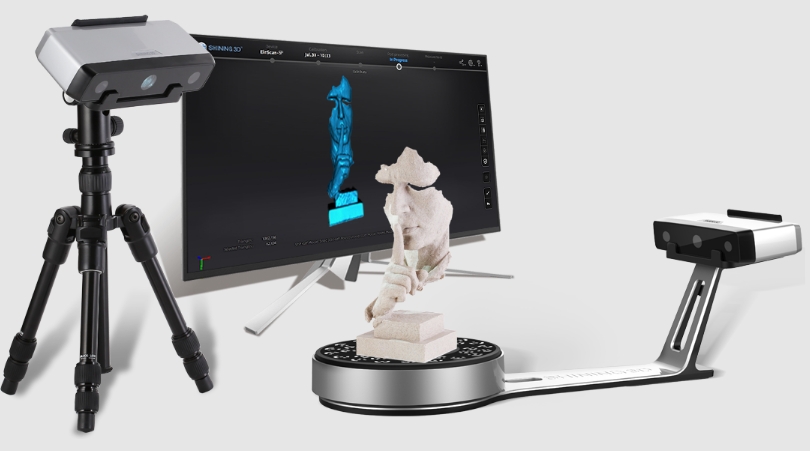
The Shining 3D EinScan SP stands out with its exceptional accuracy and versatility. With structured light technology, it delivers precise scans of objects with details.
Whether you're creating digital replicas for product design or conducting quality control inspections, the Shining 3D EinScan SP offers reliable performance with its adjustable working distance and intuitive software.
Specifications:
- Accuracy: Up to 0.05 mm
- Technology: Structured Light
- Working Distance: 290 - 480 mm
- Market Price: $2,199
Pros:
- Its exceptional accuracy of up to 0.05 mm is suitable for precise scanning tasks.
- Its adjustable working distance accommodates various object sizes and shapes.
Cons:
- It has a higher price point compared to some budget alternatives.
- It may require additional accessories for certain scanning scenarios.
10. Peel 3D Peel 3
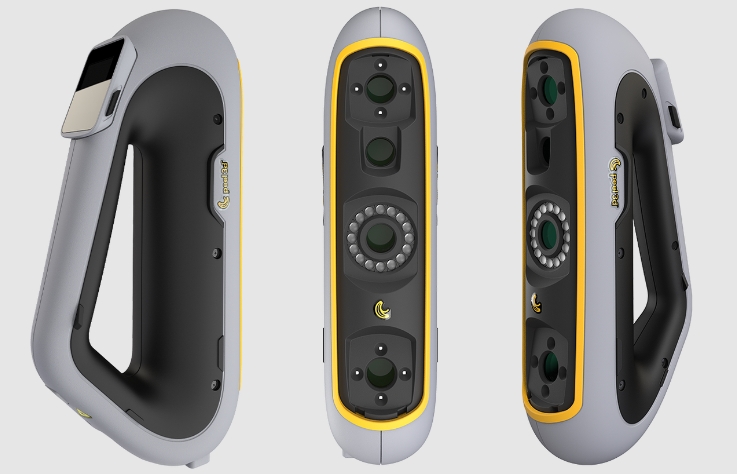
The Peel 3D Peel 3 redefines industrial 3D scanning with its accuracy and efficiency. With structured light technology, it captures high-resolution scans of complex geometries with ease.
No matter if you want to reverse engineer mechanical components or prototype new products, the Peel 3D Peel 3 delivers exceptional results with its wide working distance and advanced software capabilities.
Specifications:
- Accuracy: up to 0.1 mm
- Technology: Structured Light
- Working Distance: 250 - 550 mm
- Market Price: $8,500
Pros:
- This scanner has great accuracy and efficiency for industrial-grade scanning tasks.
- The wide working distance that this scanner has, accommodates the scanning of complex geometries.
- It has advanced software capabilities for enhanced post-processing and analysis.
Cons:
- Its high price point may be prohibitive for some users.
- It requires substantial investment and expertise for optimal utilization.
Hot FAQs about 3D Scanners
1. What is a 3D scanner?
A 3D scanner is a device that captures the shape of physical objects using various technologies, creating a digital 3D model. These devices measure the distance between the scanner and the surface of the object from different angles, assembling a detailed 3D map.
2. What are the Different Types of 3D Scanners?
The main types of 3D scanners are laser scanners, structured light scanners, and photogrammetry setups.
- Laser scanners work by emitting a laser beam onto the object's surface and measuring the deflection or the travel time of the laser beam to calculate the 3D coordinates.
- Structured light scanners project a pattern of light onto the object and measure distortions in the pattern to create a 3D model.
- Photogrammetry involves taking a series of photographs from different angles around the object, then using software to stitch these images into a 3D model.
3. How do I choose the right type of 3D scanner?
The choice depends on your application, the size and material of the objects you want to scan, the level of detail required, your budget, and the desired portability of the device. Consult with manufacturers and professionals in your field for recommendations tailored to your needs.
People Also Read:
Top 10 3D Printing Software Tools for 2024 >>
Top 10 3D Printing Slicers in 2024 >>
Top 10 of the Best 3D Modeling Software of 2024 >>
Best 3D Scanner Apps for Android and iPhone in 2024 >>
Conclusion
To conclude this article, we can say that, while some scanners prioritize affordability and portability, others prioritize precision and versatility. Whether it's capturing details of small artifacts or digitizing large architectural structures, there's a scanner designed to meet every demand.
As technology continues to advance, we anticipate further innovations in the industry of 3D scanning, pushing the boundaries of what's possible and getting new opportunities across industries.
And let me tell you if you want to get a 3D printer for scanners, the Creality Store is your go-to destination for reliable and affordable 3D printers. Offering a range of options from beginner-friendly models to industrial-grade machines, Creality provides quality products customized to various needs. With user-friendly interfaces and robust construction, Creality printers make 3D printing accessible to everyone. Explore our website to learn more about the products.
Recent News

8 Halloween 3D Print Ideas to Make Before October 31

Ender Series 3D Printers Parameter Comparison

Creality Back-to-School Sale 2026: Save Up to 50% on 3D Printers and More
