


ASA 3D Printing: A Comprehensive Guide for Beginners
As the field of 3D printing continues to grow and innovate, ASA (Acrylonitrile Styrene Acrylate) has proven to be an invaluable material. In this detailed guide, we will describe all the nuances of ASA 3D printing and help a beginner find the answers to questions that interest him in the production of 3D prints using this material.

What is ASA?
ASA is a kind of thermoplastic polymer that has become rather popular in the circle of enthusiasts of 3D printing. Like ABS, it has enhanced weathering advantages and UV stability therefore it is suitable to be used in exterior applications.
ASA 3D printing is another dimension whereby it is vital to have details on the material density. ASA is a mixture of three components which includes:
- Acrylonitrile
- Styrene
- Acrylic Ester
All of these three components make up the good and strong filament. This rather specific make-up is what provides ASA printing with the performance characteristics that makes it different from other 3D printing materials.
Advantages of ASA 3D Printing
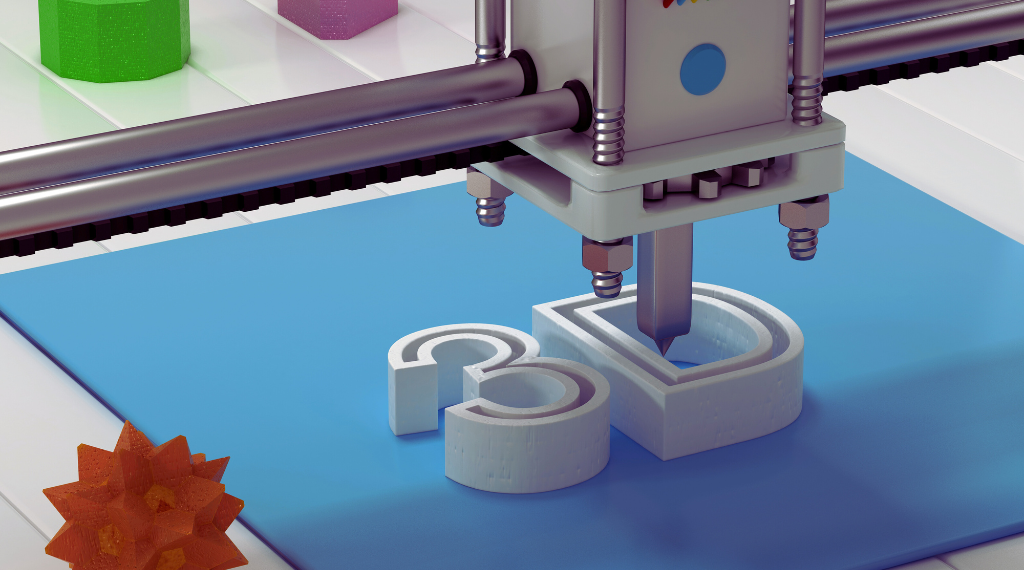
If we evaluate ASA printing, the following are some of its most striking advantages:
Excellent UV Stability
With ASA 3D Printing, the excellent UV stability is the best impression that stands out. ASA unlike most other thermoplastic filaments used in 3D printing has the ability to take too much light without feature degradation. This makes it good for application in the outside environment where many other materials would not last very long.
Weather Resistance
Environmental characteristics are also a strength of ASA 3D printing, and one of them is weathers resistance. ASA printing used auto parts can endure conditions like rainfall, sleet, snow, and scorching heat without corroding, shrinking, swelling or fading. For this reason, ASA is ideal to be used in outdoor furniture, gardening implements, and architectural models.
Mechanical Strength
ASA is quite comparable in mechanical strength to other ‘regular’ 3D printing materials. It has a reasonable impact strength and tensile strength, and thus it is applied for functional parts that suffer stress and strain. To this strength, complemented with the feature of being weatherproof, ASA has become a popular material when it comes to 3D printing automotive part models.
Dimensional Stability
ASA has also scored well on dimensional stability. When printing ASA, you’ll find that it has a minimal capability of warping or shrinking compared to ABS plastic. This stability results in higher-quality of prints and the ability to make large or complex parts that otherwise would be difficult.
Challenges of Printing ASA
While ASA 3D printing offers numerous advantages, it's not without its challenges.
High Thermal Expansion Coefficient
When it comes to ASA printing one of the main problems is that it warps and shrinks. Similar to ABS, ASA also possesses a high thermal expansion coefficient in the end product and this cause warping especially on larger prints. To avoid this, bed adhesion is important and temperatures should be regulated correctly.
Smell and Smoke
Another problem associated with ASA 3D printing is the smell and smoke. ASA printing releases styrene which when in contact with heat then releases a not so good smell and if inhaled in large amounts can cause harm to the users. The use of ventilation is critical so that proper circulation is offered when the ASA is being printed to promote a better environment for workers.
Requirement of Higher Printing Temperatures
Another limitation that has to be taken into account when printing ASA is the temperature. ASA generally calls for higher printing temperatures than, for instance, PLA or PETG. What this entails is that not every 3D printer has the ability to print ASA in the best manner. A heated bed is important so that the plastic can stick to it and not deform or break off during the 3D printing process; a high nozzle temperature is also a requirement for ASA printing.
Preparing for ASA 3D Printing

For ASA printing, you need a 3D printer that is capable of reaching and holding high temperatures. Be sure to find the printers with all metal hotends capable of reaching the temps of 260°C or even higher.
Proper preparation of the bed is another essential aspect that should be taken into consideration in order to achieve successful ASA 3D printing results as the surface needs to be flat and clean.
A large number of users single out glass beds or BuildTak-like surfaces as effective enough. Using a small amount of ABS juice, or dissolving ABS in acetone will produce far better bed adhesion and even other unique adhesives can be used to enhance the printing bed adhesion.
Handling of the filament and storage is also crucial as identified while printing ASA. ASA is hygroscopic which is characteristic entails that it is able to absorb moisture present in the surrounding environment. This can lead to poor quality of prints and chances of stringing are also high in this method. ASA filament should be properly stored in a cool, dry place and sealed off in moisture moisture-tight container with silica gel.
Preparing for ASA 3D Printing
ASA’s properties clearly position the compound in a number of applications.
ASA printing it is highly suitable for application in areas where it will be exposed to the weather elements. This is evident in garden tools, furniture that can be placed out in the compound, and architectural models among others.
ASA 3D printing does possess several characteristics that might be useful in many distinctive applications. It can be used in outdoor applications, car accessories, and functional tools because of its UV stability & weather resistance, and its strength.
In the case of the functional prototypes, ASA is a great candidate material providing strength, and durability and is quite easily printable. Due to its characteristics, it is optimal for creating prototypes that will be tested in diverse environmental conditions.
Summing Up
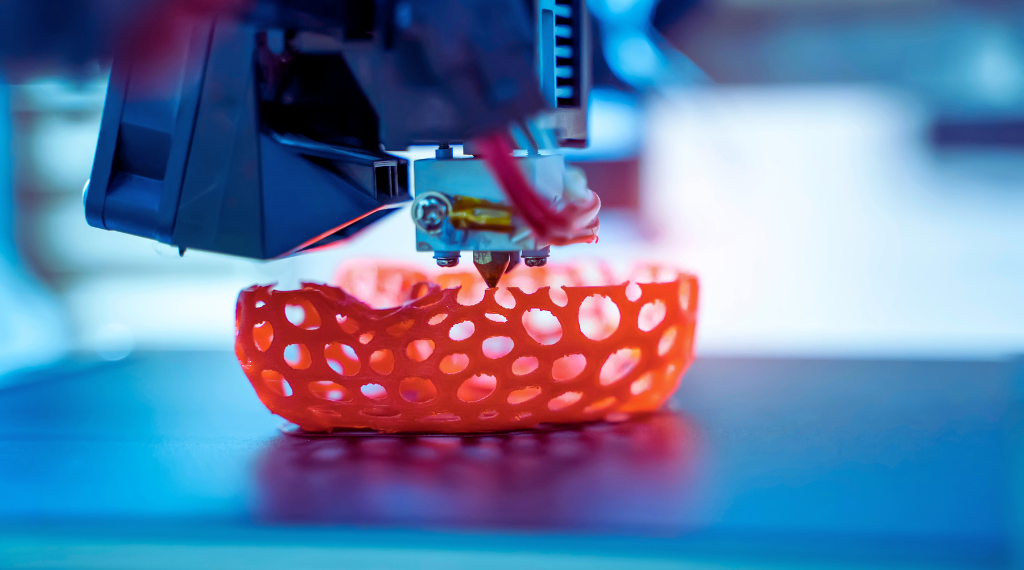
ASA 3D printing does possess several characteristics that might be useful in many distinctive applications. It can be used in outdoor applications, car accessories, and functional tools because of its UV stability & weather resistance, and its strength.
While using ASA for your 3D printing, do not forget that the process will possibly require practice and a lot of it. It is recommended to begin with less dense prints in order to adjust the chosen settings on the printer before proceeding to work with large and detailed images.
And don't forget, high-quality 3D printers like those offered by Creality. Creality offers a variety of high quality printers, regardless of the material temperature; they have the perfect fit for the job such as ASA materials.
So, now that you have the knowledge from this guide and proper equipment you are ready to become a master of ASA 3D printing.
For more Creality 3D Printer, you can click the related articles as follows:
Recent News

8 Halloween 3D Print Ideas to Make Before October 31

Ender Series 3D Printers Parameter Comparison

Creality Back-to-School Sale 2026: Save Up to 50% on 3D Printers and More
