


Best Glue for PLA Filaments: What You Need to Know
If you are working with 3D printed parts, there could be various reasons you might need to glue them together. Whether it’s because your model is too large for your 3D printer, or you need to combine multiple parts into one, finding the right glue for PLA filaments is crucial for a seamless finish. Gluing 3D prints can be intricate, and your method and materials matter.
In this article, we'll cover the best glues for PLA filaments, how to use them, and additional tips to get the best results.
Why Gluing PLA Can Be Tricky
PLA (Polylactic Acid) is an aliphatic polyester made from renewable resources like corn starch and sugarcane. It's a favorite among 3D printing enthusiasts due to its relatively low melting point and ease of printing. Unlike other plastics, however, PLA can be somewhat challenging to glue because its surfaces are not as porous.
Types of the Best Glue for PLA Filaments
Here is a summary of the best types of glue you can use for joining PLA parts, along with their pros and cons:
Cyanoacrylate (Super Glue)
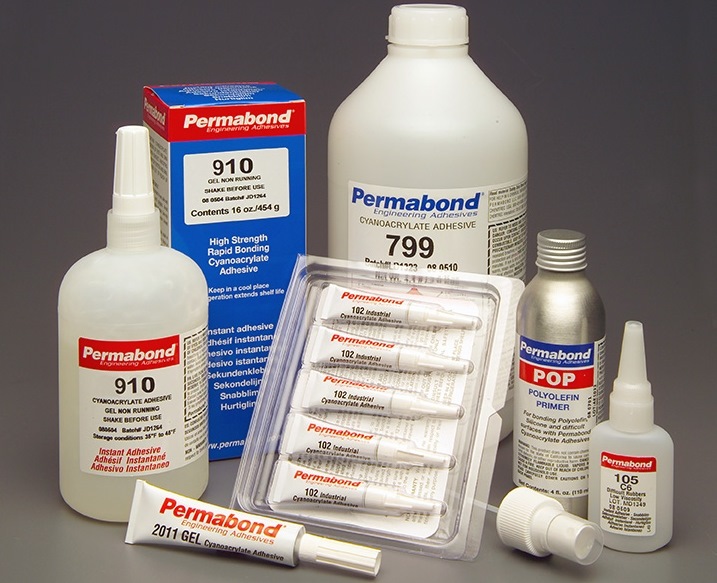
Super glue is a go-to choice for many users due to its rapid curing and strong bonding capabilities. Make sure the surfaces are clean and lightly sanded to improve adhesion. One trick is to use an accelerator spray, which cures the glue almost instantly.
- Preparation: For optimal results, sand the bonding surfaces until smooth and clean them with alcohol to remove grease and dirt.
- Suitable Materials: Works best with PLA, ABS, and PETG, but avoid using it on flexible materials as the cured bond is inflexible.
- Safety: Superglue can adhere to skin quickly, so consider wearing gloves and work on a protective surface, such as old newspapers.
Pros:
- Quick setting time
- Strong bond
- Easy to use
- Widely available
Cons:
- Requires precise application
- Can be brittle over time
Epoxy Resin
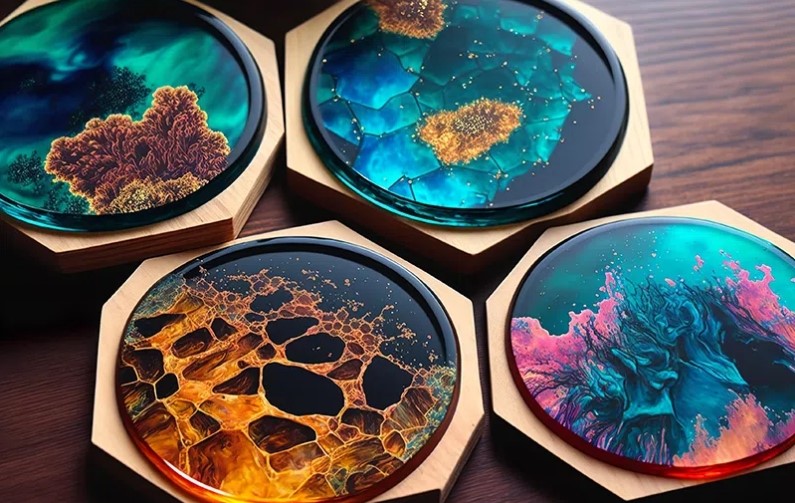
Epoxy is a versatile option suitable for various filaments, except flexible materials, because of its rigid nature after curing. Epoxy resin is ideal for projects needing an exceptionally strong and durable bond. It's especially useful for larger parts that require support under stress. It also works well as a filler for voids and seams but requires mixing before application.
- Preparation: Suitable for surfaces that aren’t completely flat. No hog on exact contouring is required.
- Suitable Materials: Works with a broad range of filaments.
- Safety: Individual safety instructions are provided with epoxy products as they may differ across brands.
Pros:
- Extremely strong bond
- Fills gaps
- Durable
Cons:
- Longer curing time
- Generally requires mixing
- Can be messy
PLA Solvent Cements
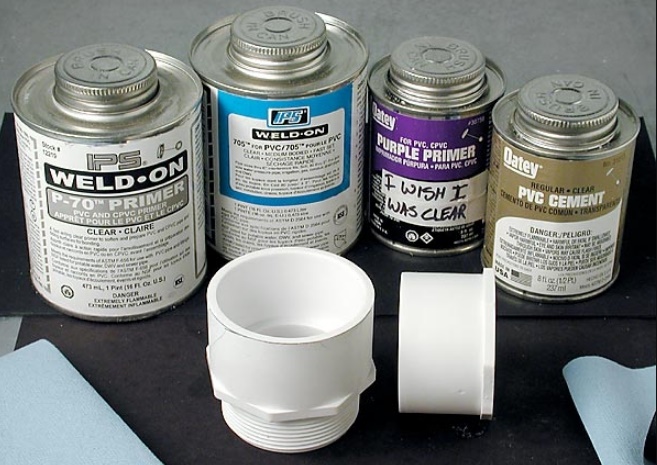
PLA solvent cements chemically soften the PLA, enabling the plastic parts to fuse together. It’s a solvent-based mixture applicable to PLA, ABS, and HIPS but results in a visible seam due to the cement’s color.Common solvents include dichloromethane, but they can be invisible foes due to their health risks, so work in a well-ventilated area.
- Preparation: Like with acetone, sand the surfaces and clean them thoroughly.
- Suitable Materials: Effective with ABS, HIPS, and PLA.
- Safety: Being thick and volatile, it’s hazardous around flames and should also be used in ventilated areas.
Pros:
- Creates a chemical bond by dissolving surface layers
- Clean finish
Cons:
- Requires specific solvents
- Can be harmful to your health without proper ventilation
Polyurethane Glue
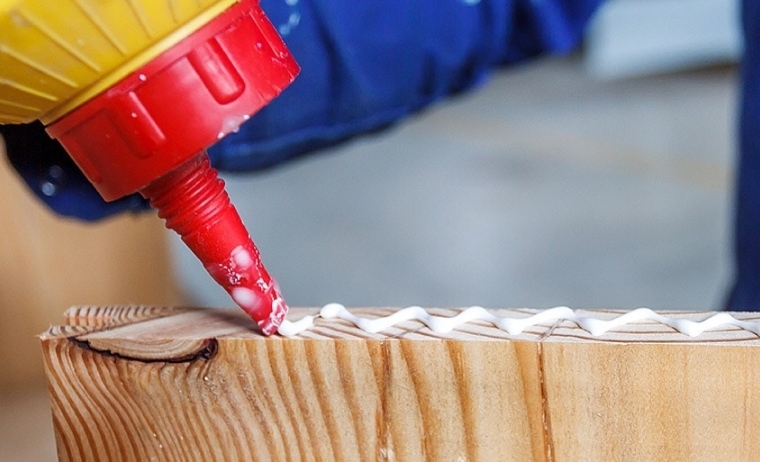
Polyurethane glue offers versatility and works well across different materials, making it useful if your project combines PLA with other substrata.Polyurethane glues provide robust bonding but necessitate a thick layer, causing visible seams. Their cure time varies, with some PU glues setting rapidly while silicone glues may take hours.
- Preparation: Ensure cleanliness of both surfaces, removing any loose particles.
- Suitable Materials: Effective across different filament types, though visible seams may be a concern.
- Safety: Keep them off your skin during application.
Pros:
- Expands to fill gaps
- Great for mixed-material bonds
Cons:
- Takes time to cure
- Expands, requiring clamps or weights to keep parts aligned
Hot Glue
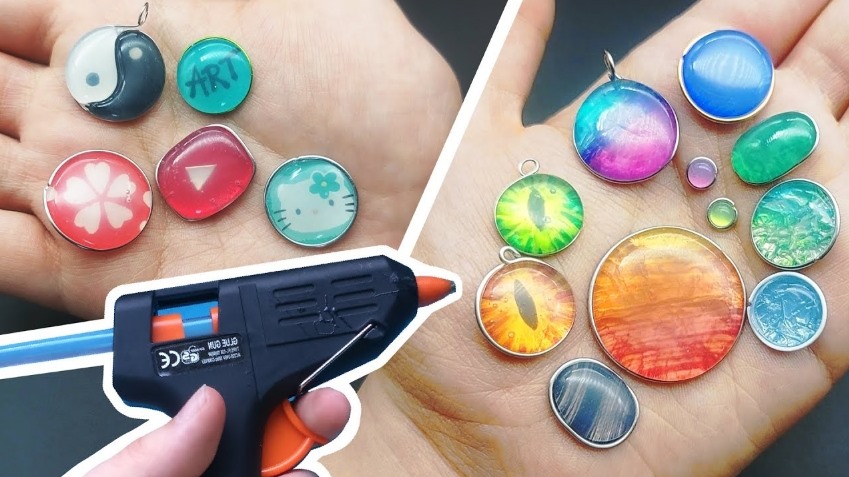
A hot glue gun offers speedy and strong bonds, though the seams are newly conspicuous and thick. For PLA parts, using hot glue can be beneficial due to its fast cooling and reliable strength.Hot glue can be a quick fix for temporary applications. While not as strong as epoxy or cyanoacrylate, it does offer a degree of flexibility, which can be useful for prototypes.
- Preparation: Surfaces must be clean and free from debris.
- Suitable Materials: Effective with rigid materials, but hot glue's visible seams should be factored into your design.
- Safety: Exercise caution, as hot glue can easily cause burns.
Pros:
- Flexible
- Easy to apply
- Readily available
Cons:
- Weaker bond compared to other adhesives
- May not be suitable for small parts
Tips for Gluing PLA Filament
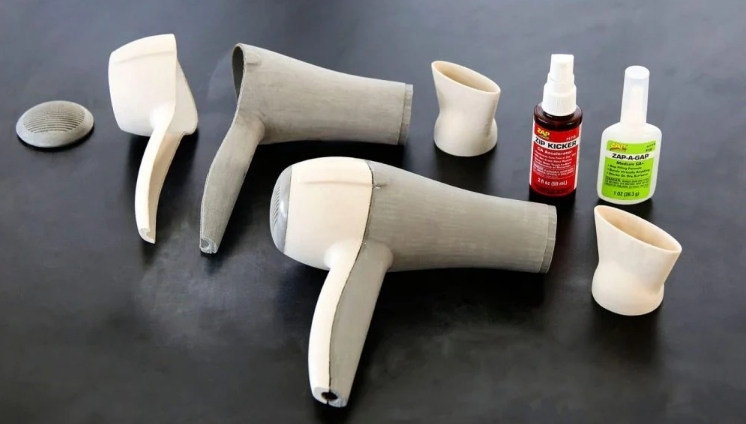
- Prep the Surfaces: Ensure surfaces are clean and lightly sanded for better adhesion.
- Practice Fitment: Before applying glue, assemble the pieces to test fitment. This avoids any last-minute surprises.
- Less is More: A small, even layer of glue is often more effective than overloading with excess adhesive.
- Clamping: For adhesives requiring longer curing times, use clamps to hold parts in place.
- Temperature Considerations: Be aware that glues like hot glue may lose bond strength under thermal changes, as PLA softens at around 60°C.
In Conclusion
Choosing the best glue for PLA filaments depends on the specific needs of your project. Cyanoacrylate glue offers speed and strength, while epoxy resin provides an unbeatable bond for heavy-duty applications. Consider your Aesthetically: balancing usability comfortably without imperiling health.
In sum, thorough research into conventional traits balanced with keeping at par identifications with one’s project complexity translates to smooth-ruled projects ornamented by individual handcrafted precision through compiling appropriately fault-proof gluing solutions geared for PLA.
People also read:
How to Choose Filament Dry Boxes and Dryers in 2024 >>
Recent News

8 Halloween 3D Print Ideas to Make Before October 31

Ender Series 3D Printers Parameter Comparison

Creality Back-to-School Sale 2026: Save Up to 50% on 3D Printers and More
