


Mastering the Art of Painting 3D Prints: Techniques for PLA Models
From intricate prototypes to personalized gifts, 3D printing technology allows us to translate digital concepts into tangible realities. Among the various materials used in 3D printing, PLA (Polylactic Acid) is one of the most popular due to its ease of use and environmentally friendly properties.
However, turning a PLA print from a simple plastic object into a vibrant, eye-catching piece often involves an additional step: painting. In this article, we will delve into the art of painting 3D prints, focusing on techniques specifically tailored to PLA models.
PLA and Preparation
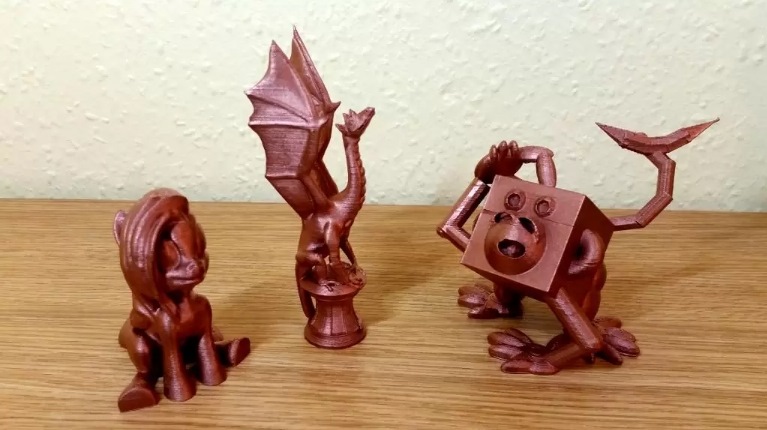
Before we can dive into painting, it's essential to understand PLA as a material. PLA is a biodegradable thermoplastic derived from renewable resources such as corn starch or sugarcane. It's favored for its low melting point, minimal warping, and ease of printing, making it an ideal choice for hobbyists and professionals alike.
However, its surface can sometimes be a bit glossy and slick, which can pose challenges when applying paint.
The key to successfully painting PLA prints lies in thorough preparation. Begin by removing any support material and sanding down the print to remove imperfections. Start with a coarser grit sandpaper and work your way to a fine grit to achieve a smooth surface. Wipe away any dust with a slightly damp cloth and let it dry completely.
Once the model is clean and smooth, apply a coat of primer. The primer will not only help to reveal any remaining imperfections that may require further sanding but also provide a surface that allows paint to adhere better. For PLA, an automotive filler primer works well because it fills in the print lines and can be sanded to a smooth finish.
Painting Techniques for PLA Models
After priming, it's time to paint your 3D print. Here are several techniques that can be used to turn your PLA models into masterpieces:
1. Brush Painting
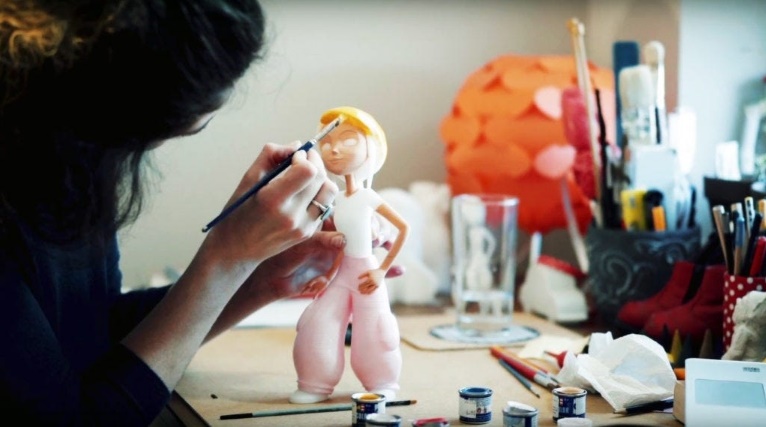
Brush painting is the most traditional method and provides a hands-on approach to control the application of paint. When painting PLA prints, it's crucial to use the correct type of paint. Acrylic paints are a popular choice as they are water-based, making them easier to work with and clean up. They also dry quickly and offer a wide range of colors.
When brush painting, apply thin, even coats to avoid brush strokes and allow the paint to dry between layers fully. A good set of fine-tip brushes can help you achieve detailed work, while flat brushes can cover larger areas more evenly.
2. Airbrushing
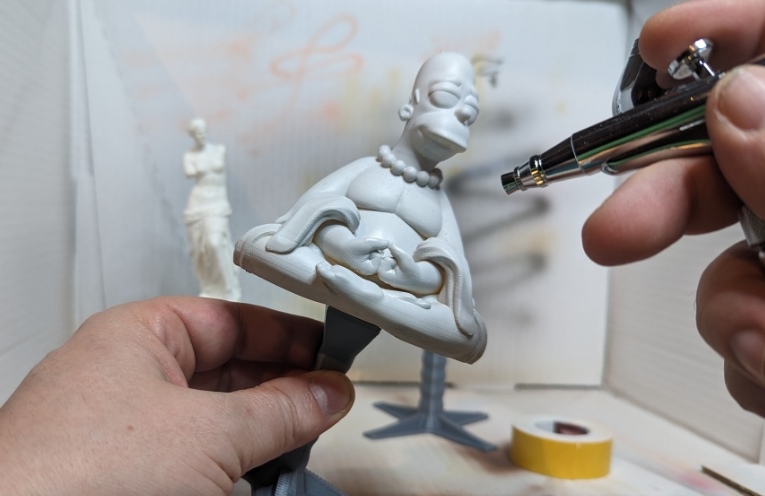
Airbrushing is a fantastic way to get a professional, smooth finish on your 3D prints. This technique allows you to apply thin, even layers of paint, which is ideal for detailed work and gradual color transitions. The key to successful airbrushing is to maintain a consistent motion and distance from the print while applying the paint.
Before you start airbrushing, make sure to thin your paints accordingly to prevent clogging. It's also essential to practice your technique on a spare piece of material to get a feel for the airbrush.
3. Spray Painting

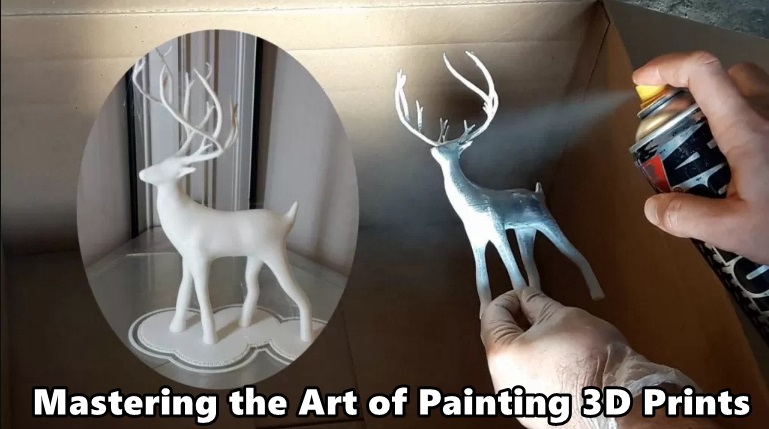
Spray painting is another effective method for painting PLA prints, especially for those who want a quick and even base coat. When using spray paint, always do so in a well-ventilated area and wear appropriate safety gear, such as a mask and gloves.
Hold the spray can at a consistent distance from the print, approximately 8-12 inches away, and use sweeping motions to avoid drips and runs. Apply multiple light coats, allowing each to dry before applying the next. Spray painting offers a vast range of colors and finishes, including metallics and fluorescents, which can add a unique touch to your models.
Finishing Touches
Once your base colors are applied, you can move on to details and finishing touches. Washes can be used to enhance recessed areas and bring out details, while dry brushing can highlight raised surfaces. Both techniques add depth and dimension to your model, making it more lifelike.
After all painting is complete, apply a clear coat to protect your work. Matte, satin, or gloss varnishes can be used depending on the desired finish. This final coat will also help to seal your paint job, making it more durable against handling and environmental factors.
Conclusion
Painting 3D prints, especially PLA models, can transform a simple object into an extraordinary one. It requires patience, practice, and an understanding of the materials and techniques involved. Whether you choose to brush paint, airbrush, or spray paint, the key is in the preparation and application of thin, even layers.
With time and experience, you can master the art of painting 3D prints and bring your visions to life in full, vibrant color. Keep experimenting with different techniques, and don't be afraid to mix methods to achieve the best results for your project.

Recent News

8 Halloween 3D Print Ideas to Make Before October 31

Ender Series 3D Printers Parameter Comparison

Creality Back-to-School Sale 2026: Save Up to 50% on 3D Printers and More
