


PETG vs ABS: Everything You Need to Know
Polylactic acid (PLA) is a popular material for hobbyist fused deposition modeling (FDM) 3D printing due to its ease of use, variety, and availability, making it ideal for decorative prints and non-functional prototypes. However, PLA's brittleness and low temperature resistance make it unsuitable for functional prototypes or end-use parts.
In these cases, materials like polyethylene terephthalate glycol (PETG) and acrylonitrile butadiene styrene (ABS) are preferred. PETG, derived from polyethylene terephthalate (PET) with added glycol, offers improved strength and durability, making it suitable for 3D printing. ABS, widely used in various industries, including toys and automotive parts, was one of the first materials used for FDM printing.
PETG vs ABS At a Glance
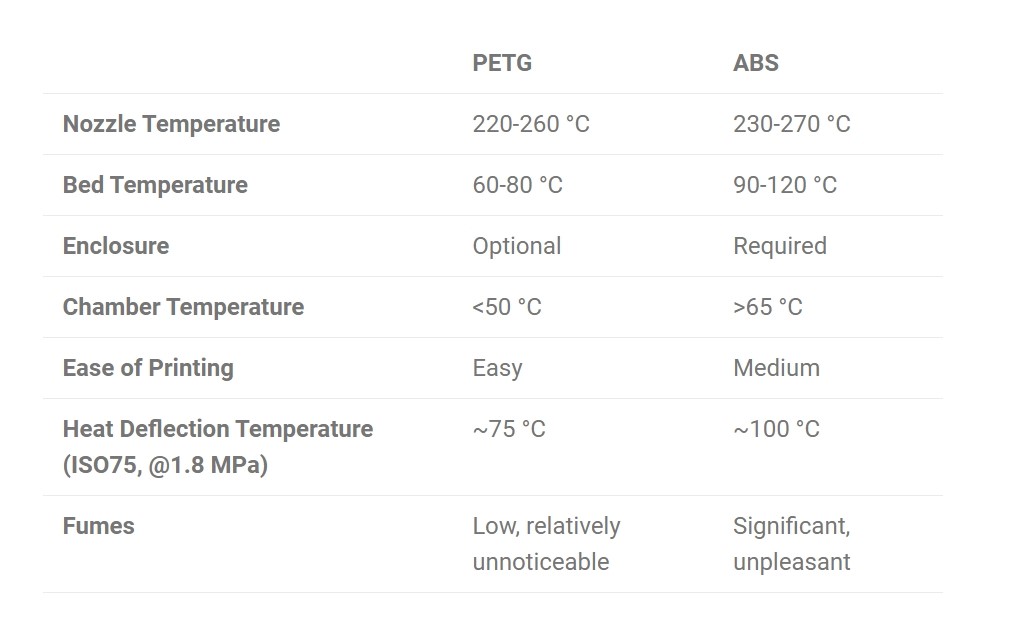
First, we'll compare PETG and ABS in terms of strength, durability, temperature resistance, post-processability, hygroscopic nature, and recyclability.
1. Strength
Material strength is crucial for comparison. We'll focus on the ultimate tensile and impact strengths of PETG and ABS, key factors in assessing their overall performance.
Ultimate Tensile Strength
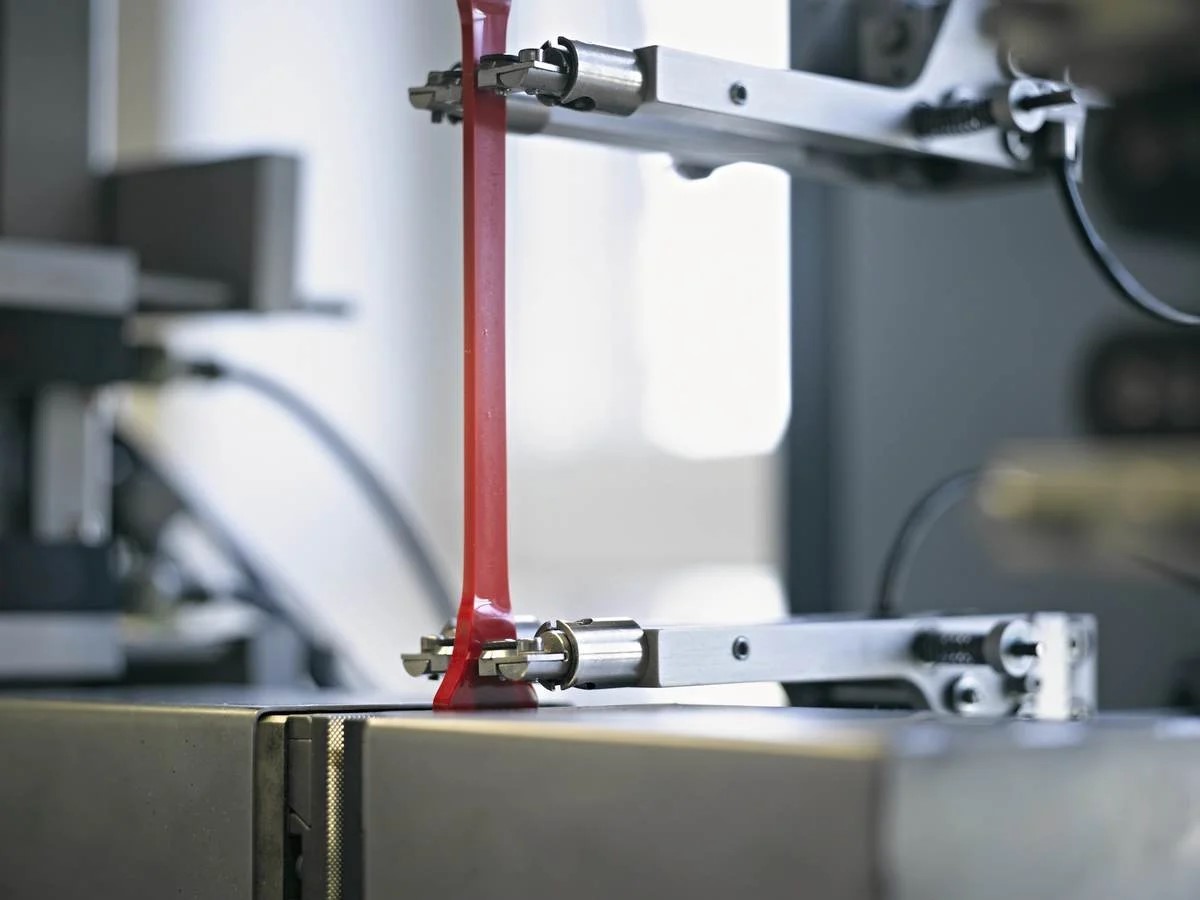
Ultimate tensile strength (UTS) is the maximum stress a material can endure while being stretched or pulled before breaking. It is measured using a tensile testing machine that applies a pulling load to a test specimen until it breaks.
Material datasheets from companies like Polymaker and 3DXTech show that PETG has a higher ultimate tensile strength than ABS for the same load specimen printed using identical settings. However, it's important to note that PETG has a density of approximately 1.24 g/cm³, about 20% higher than ABS's 1.04 g/cm³. This makes their UTS-to-weight ratio quite similar.
Additionally, ABS printed at low chamber temperatures has lower layer adhesion, reducing part strength, especially under cross-layer loading. This issue is mitigated in printers with high chamber temperatures, allowing ABS parts to be printed with excellent layer adhesion. We will explore this further in the "Printing" section below.
Impact Strength
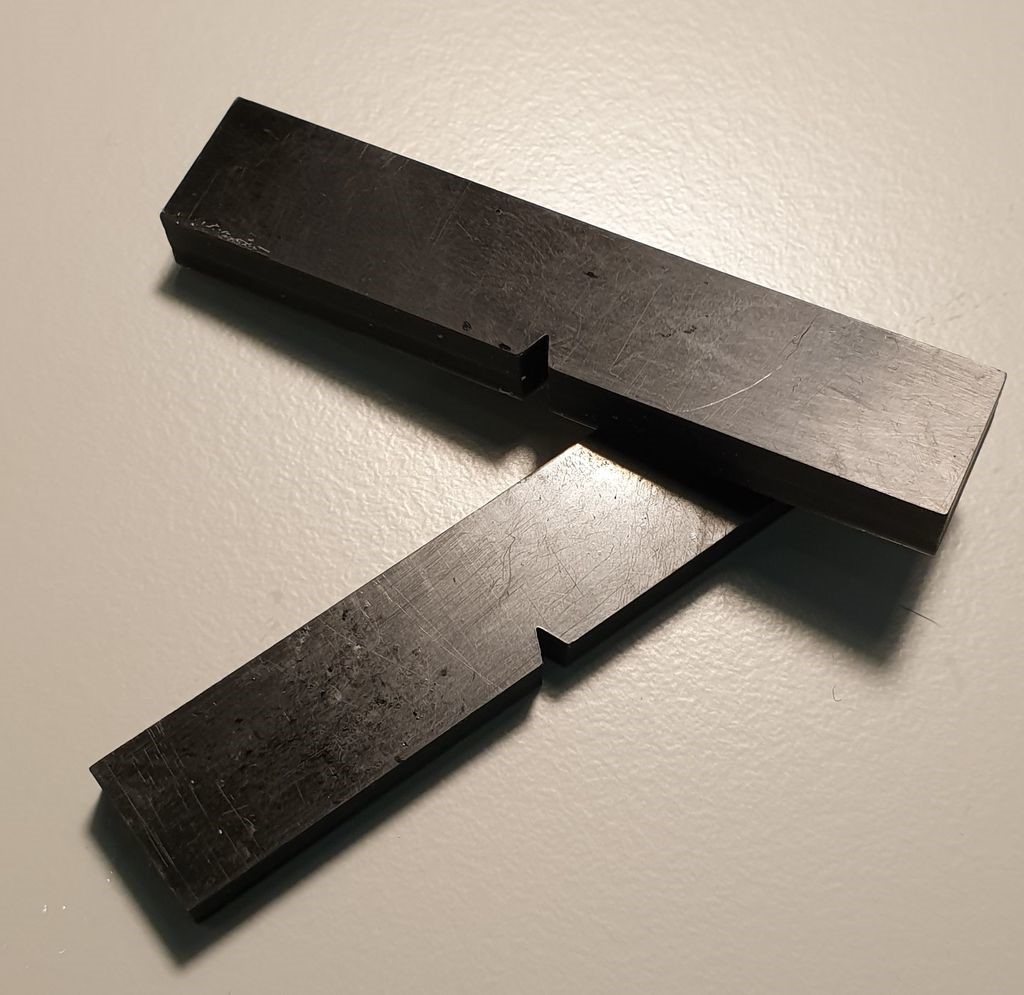
Impact strength, or impact resistance, is a material's ability to withstand shock loading, meaning its capacity to absorb sudden or intense force without breaking. Common tests for this property include the Izod and Charpy notched impact tests, which strike a notched specimen with a pendulum and measure the energy absorbed during breakage.
According to material datasheets from Polymaker and 3DXTech, ABS exhibits significantly higher impact strength than PETG. This is expected, as ABS is renowned for its superior impact strength compared to most other economical plastics. ABS is also more rigid than PETG (though more flexible than PLA), making it a widely used general plastic with a notable combination of rigidity and high impact resistance.
However, PETG’s impact strength still surpasses that of PLA.
For a more detailed comparison, My Tech Fun provides additional tests and insights, covering PLA, PETG, ABS, ASA, and PC.
Durability

Durability refers to a material's ability to last long without significant deterioration under operational conditions, helping reduce environmental and economic waste by minimizing repairs and replacements. For PETG and ABS, various durability aspects are considered.
UV Resistance
PETG has better UV resistance than ABS, making it more suitable for prints exposed to UV light. However, prolonged exposure will still degrade PETG. For long-term outdoor use, acrylonitrile styrene acrylate (ASA), a derivative of ABS, offers superior UV and weather resistance while maintaining excellent mechanical properties and temperature resistance. Although ASA is more expensive than PETG and ABS, it provides better durability in harsh conditions.
Chemical Resistance
PETG exhibits greater chemical resistance than ABS against various acids and alcohols at different concentrations. Prusa Research has developed a summary table detailing the chemical resistance of different filaments, tested under laboratory conditions, highlighting PETG's superior performance in this regard.
2. Temperature Resistance
Temperature resistance is crucial in many applications. ABS has an advantage over PETG, with a glass transition temperature of about 105 °C compared to PETG’s 80 °C. However, this isn't the safe operating temperature under load; it's the point where an amorphous polymer changes from hard to soft.
The ISO75 standard indicates the heat deflection temperature (HDT), where a material deflects by 0.25 mm under small loads (0.45 MPa and 1.8 MPa). Near the HDT, mechanical properties are significantly reduced. Safe operating temperatures are much lower. ABS can show creep above 70 °C, while PETG should not be used above 50 °C for prolonged periods. Click to know more best 3D printing temperatures for PLA, ABS, Nylon & More
3. Hygroscopy
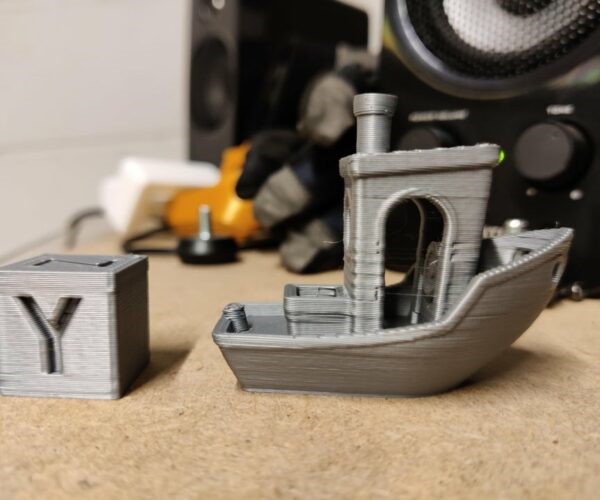
PETG and ABS filaments are hygroscopic, absorbing moisture from the air, which degrades the material and causes stringing, bubbling, and poor layer adhesion during printing. This leads to poor print quality and reduced part strength. Store filaments in dry environments and dry them before printing (PETG at 55 °C, ABS at 75 °C) for optimal results.
4. Food Safety
PETG and ABS are popular non-toxic, food-grade materials used in food processing applications, but typically as injection-molded pure virgin pellets. Filaments of these materials often contain additives to enhance printing performance, making them non-food grade. However, some manufacturers offer food-grade compliant filaments, though options are limited. Additionally, printer parts that contact the filament may not be food-safe, and printed parts have microscopic gaps that can harbor bacteria. Therefore, even if the material is food-safe, FDM-printed PETG and ABS are generally not recommended for food applications without proper post-processing and consideration of all relevant factors.
5. Recycling
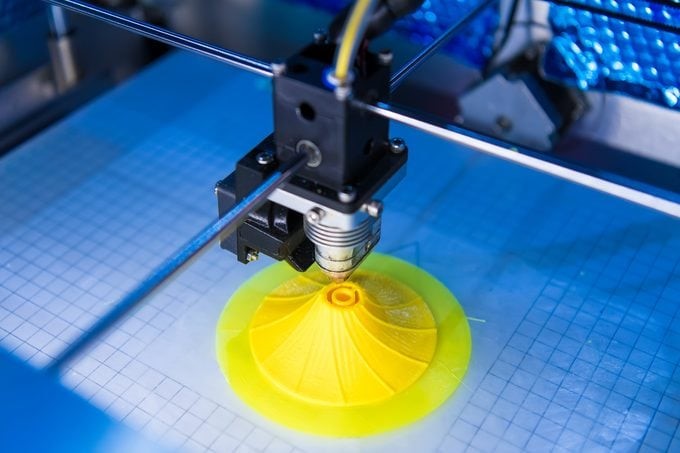
It's evident that PETG and ABS, being distinct materials, necessitate distinct printing settings to yield optimal results. Temperature plays a pivotal role, particularly for ABS. An all-metal hot end is advised for both materials, with ABS requiring slightly higher temperatures (230-270°C) compared to PETG (220-260°C). Aiming for the upper range enhances flow rates and layer adhesion, but caution against excessively high temperatures to prevent issues like stringing, heat creep, and compromised overhangs. Manufacturers' recommendations should be consulted. For ABS, a heated bed temperature of 90-120°C is crucial for initial layer adhesion and enclosure warming. Users often opt for 110°C to prolong magnet life in magnetic build plates. PETG, on the other hand, typically requires a bed temperature of 60-80°C for good adhesion. Note that these are guidelines, and the precise temperature depends on your filament and setup. Read more: Is PLA Recyclable?
6. Printing
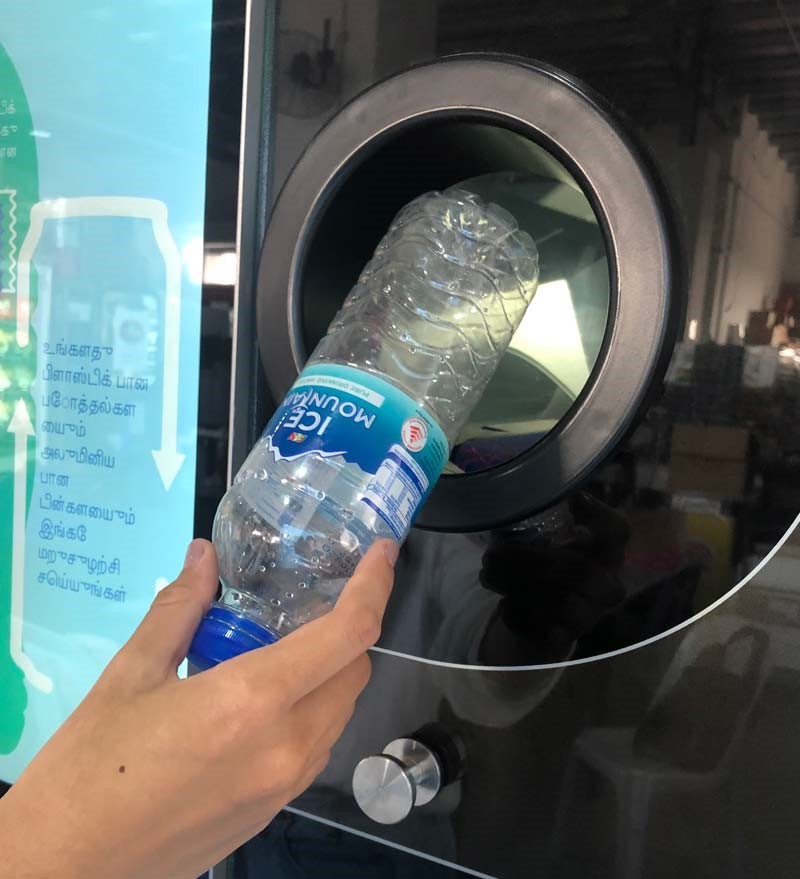
When it comes to recycling, both PETG and ABS are considered recyclable, but they are categorized under resin identification code #7, which isn't typically accepted in standard recycling collections. This is because PETG requires more intensive processing than PET, the material commonly used for plastic bottles, and thus doesn't fall under the more widely accepted #1 code. The recyclability of these filaments ultimately depends on the recycling company, as many find polymers in the #7 category unprofitable or challenging to recycle, leading to their disposal. However, there are specialized services available for recycling 3D prints made from PETG and ABS materials.
7. Enclosure
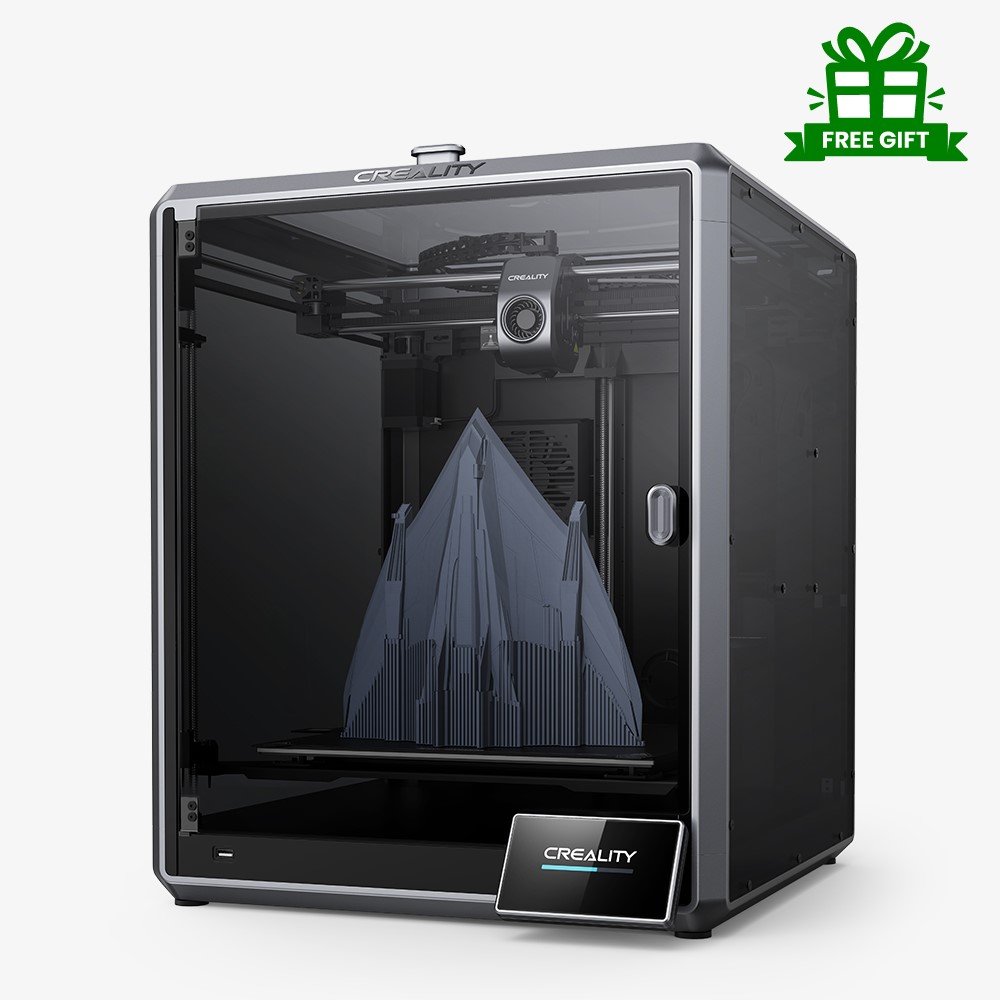
When it comes to 3D printing, the need for an enclosure differs between materials like PETG and ABS. While an enclosure is not a necessity for PETG parts, it plays a crucial role in achieving strong and defect-free ABS prints. ABS is known for its susceptibility to warping and delamination due to thermal contraction during the cooling process. An enclosure helps maintain a stable, warm environment around the print, minimizing thermal gradients and preventing rapid cooling, which can lead to warping and delamination. Additionally, it reduces temperature fluctuations and drafts that can negatively impact the printing performance and strength of ABS parts.
For optimal ABS strength, a high-temperature enclosure or actively heated chamber is recommended, with chamber temperatures exceeding 65°C. Higher temperatures (80-90°C) can further enhance part strength but require more cooling measures.
On the other hand, PETG is a more user-friendly material that prints easily and adheres well to the bed. However, excessively high bed temperatures can cause PETG to stick too strongly to smooth surfaces like PEI sheets or glass, potentially damaging the bed. To address this issue, some users opt to use a glue stick as a removal aid.
In summary, while an enclosure is not essential for PETG printing, it can be beneficial for producing extra strong parts. However, it's important to keep chamber temperatures within safe limits for PETG to avoid heat creep, as its glass transition temperature is significantly lower than that of ABS.
8. Cooling
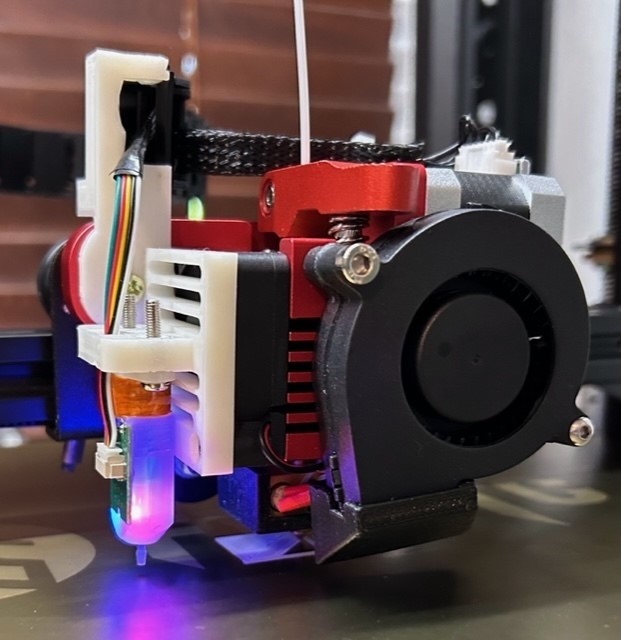
In FDM printing, proper cooling is crucial to avoid defects. For PETG, cooling settings should mimic those of non-heated chamber filaments like PLA, ensuring good bridging and overhangs without compromising part strength. For ABS, cooling varies with chamber temperature. While it enhances overhangs and bridging, excessive cooling can lead to weak layer adhesion, warping, and delamination. Higher chamber temperatures allow for more cooling, while low-temperature enclosures require caution to avoid weakening parts.
9. Post-Processing
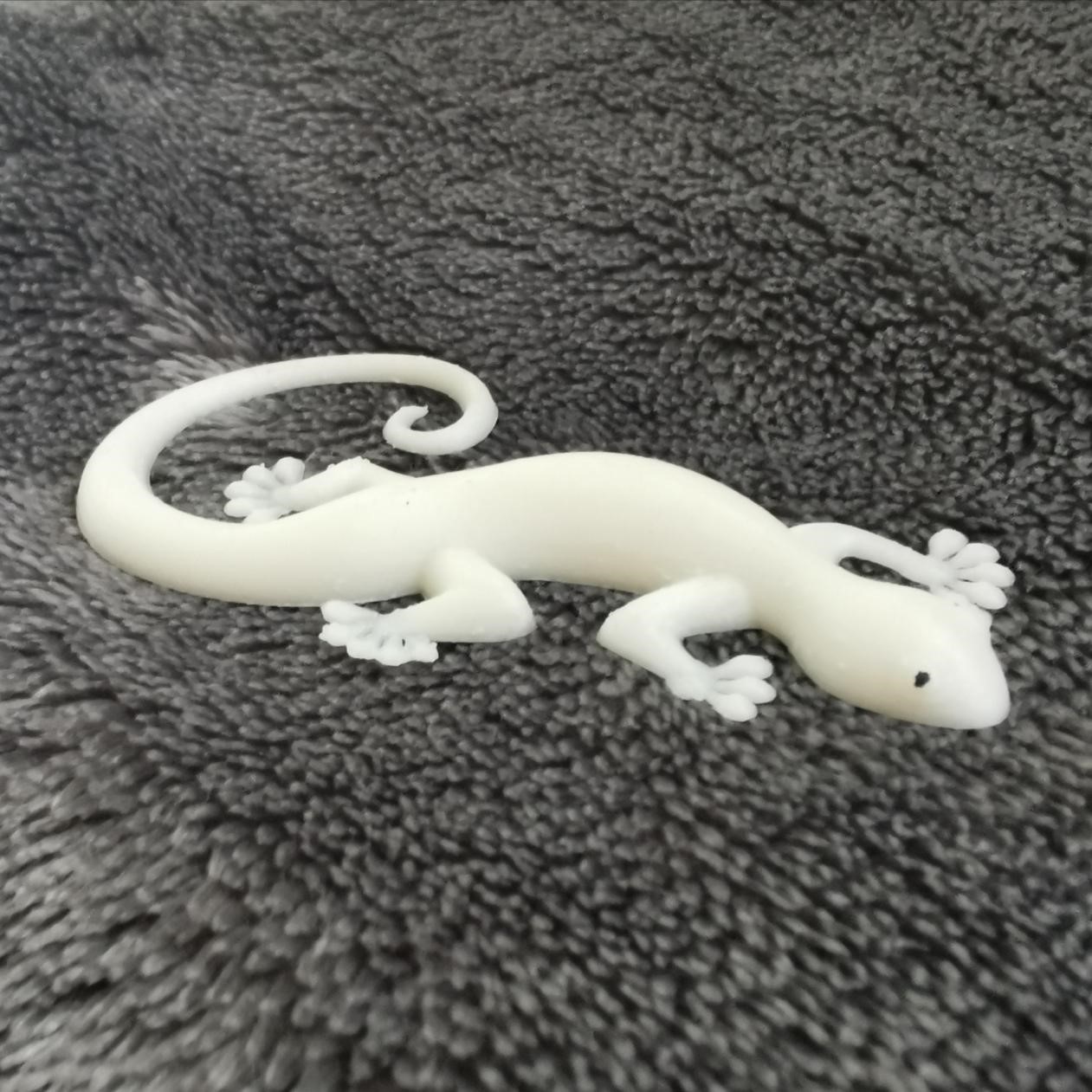
ABS offers a wider range of post-processing options compared to PETG. Notably, ABS can be vapor smoothed with acetone, resulting in a sleek, glossy surface devoid of layer lines. This unique property sets ABS apart from PETG, which is less soluble in solvents and requires specialized chemicals for smoothing.
Moreover, ABS parts can be conveniently modified or joined using solvents like acetone, making it ideal for large-scale projects or modeling. While both materials can be post-processed through methods like sanding, drilling, or tapping, ABS's versatility in post-processing makes it a popular choice for creating customized mechanical components.
For more Creality 3D Printer, you can click the related articles as follows:
Related Articles:
Ender 3 V3 Ke with Cura: Settings & Guide >>
Conclusion
In conclusion, PLA is great for hobbyist and decorative prints but falls short for functional prototypes or end-use parts. PETG and ABS are better alternatives, each with distinct advantages in strength, durability, and specific applications.Understanding their unique properties, printing requirements, and post-processing potential helps in making an informed choice for various 3D printing needs.
Read more:
How to Achieve Perfect Bed Leveling on Your Ender 3
PETG Print Speed on the Ender 3
Recent News

8 Halloween 3D Print Ideas to Make Before October 31

Ender Series 3D Printers Parameter Comparison

Creality Back-to-School Sale 2026: Save Up to 50% on 3D Printers and More
