

Thingiverse Alternative Free: The Best 8 Alternatives to Thingiverse
Thingiverse, established in 2008 by MakerBot Industries, has evolved into the world's largest repository of 3D model files, boasting over 2.4 million free printable files. It's a platform where both professional and amateur designers, passionate about their craft, share their creations with others who have similar interests.
Though Thingiverse has long stood as the go-to platform for free 3D printing files, several new and compelling sites have emerged, offering unique features and extensive libraries of 3D models. Below, explore eight outstanding Thingiverse alternatives that cater to diverse needs and preferences in the 3D printing community.
The 8 Best Alternative to Thingiverse in 2024
| Thingiverse Alternative | User Experience | Supported | Cost | Rating |
| MyMiniFactory | Community-focused, high-quality models, contests | Web | Free/Premium |
4.8/5 |
| Cults3D | Excellent filtering, community interaction, contests | Web | Free/Premium | 4.7/5 |
| Pinshape | Educational resources, sorting tools, competitions | Web | Free/Premium | 4.1/5 |
| YouMagine | Integrated with Cura, community-driven | Web | Free | 4.2/5 |
| GrabCAD | Focus on technical designs, professional use | Web | Free/Premium | 4.6/5 |
| Printables | Community-driven, linked to Prusa, educational courses | Web | Free | 4.9/5 |
| CGTrader | Professional orientation, robust royalty system | Web | Free/Premium | 4.4/5 |
| Yeggi | Extensive range, serves as a search engine | Web | Free | 4.3/5 |
1. MyMiniFactory
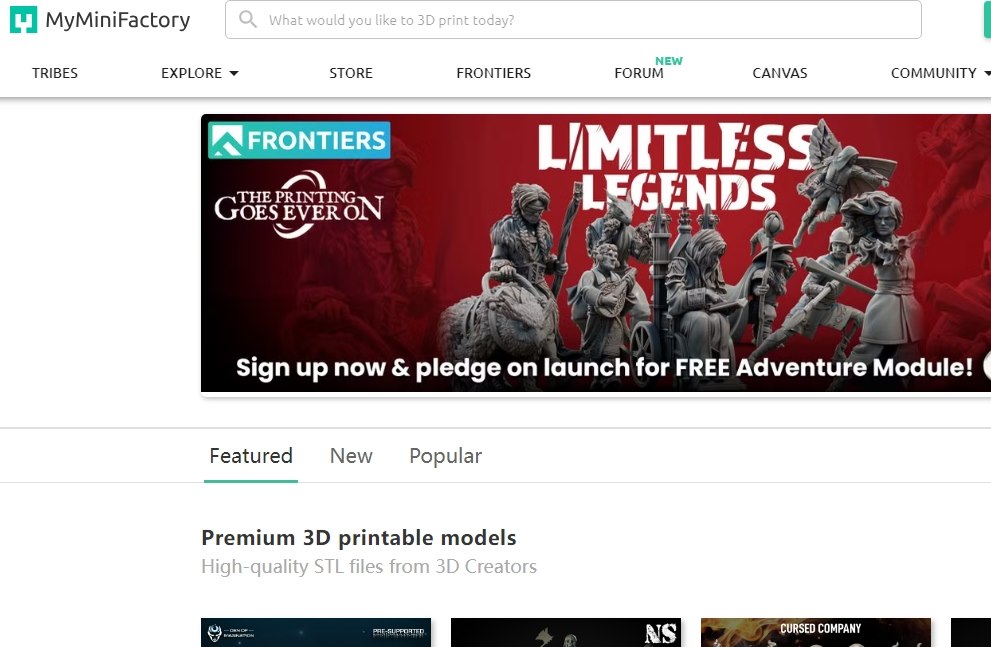
MyMiniFactory stands out as a leading alternative to Thingiverse primarily due to its market-centric approach focusing on high-quality, purchasable 3D models, particularly popular among gamers for top-notch tabletop miniatures. Since its launch in 2013 and shift to a marketplace model in 2018, MyMiniFactory has curated an active community-driven platform.
Unique features like community-curated testing, competitions, designer support via the Tribes system, tutorial sharing, and historical artifact scans enrich user interaction and model reliability. Moreover, despite its focus on purchasable content, it offers over 143,000 free models, making it attractive for a wide range of users.
2. Cults3D
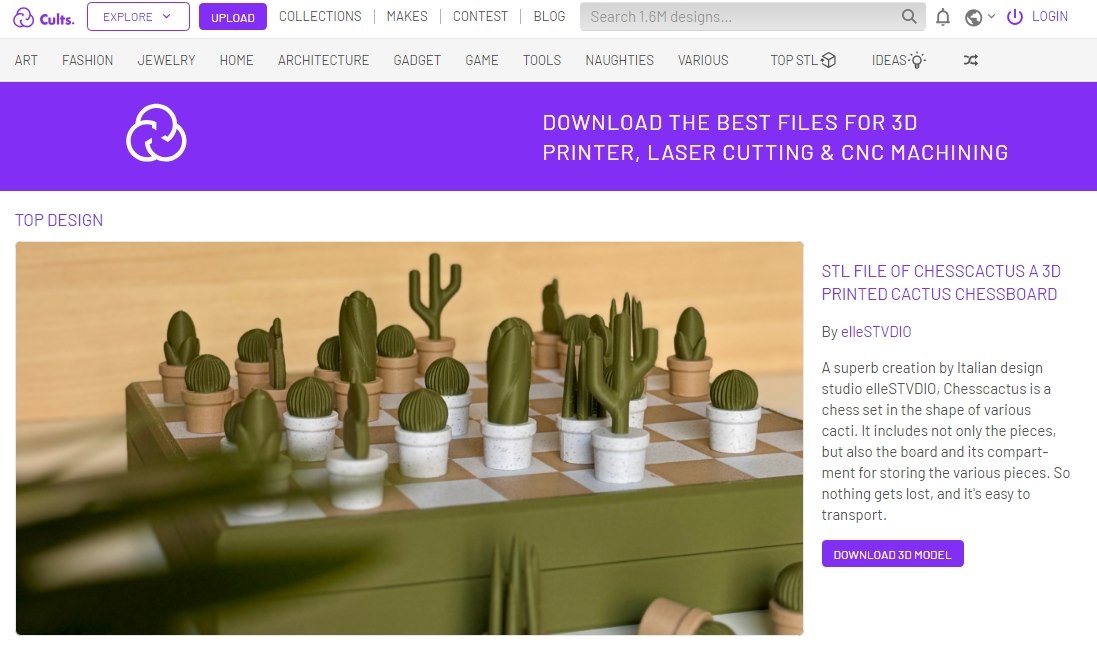
Cults3D excels as a Thingiverse alternative because it merges the community aspect of user-created designs with a vast, well-organized library of 3D models. Launched in 2014, it became the first independent 3D file repository, gaining popularity for its extensive range of models spanning categories such as art, architecture, gadgets, and more specialized groups like Naughties. It offers over 900,000 models, balancing 631,000+ paid models with about 271,000 free downloads, serving both hobbyists looking for unique pieces and professionals seeking detailed designs for commercial use.
Additional features include excellent filtering tools, regular contests, and cross-platform import options from Thingiverse, enhancing user convenience and engagement.
3. Pinshape
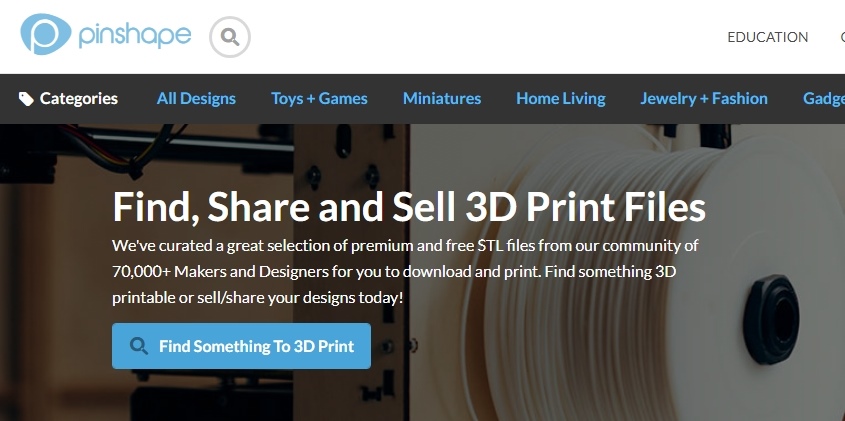
Pinshape, managed by Formlabs since its acquisition in 2016, serves as a robust alternative to Thingiverse with a blend of free and premium 3D designs. With over 36,000 models, Pinshape caters to a wide range of categories including toys, games, and educational materials. It distinguishes itself with dynamic features like weekly handpicked designs delivered to users, efficient sorting tools, and regular 3D printing competitions, enhancing user interaction and experience.
Unlike Thingiverse, it avoids long waiting times and provides a high-quality educational hub featuring in-depth guides on software, hardware, and 3D printing techniques. This makes Pinshape not just a marketplace but also a platform for improving 3D printing skills, making it highly valuable for both beginners and experienced users.
4. YouMagine
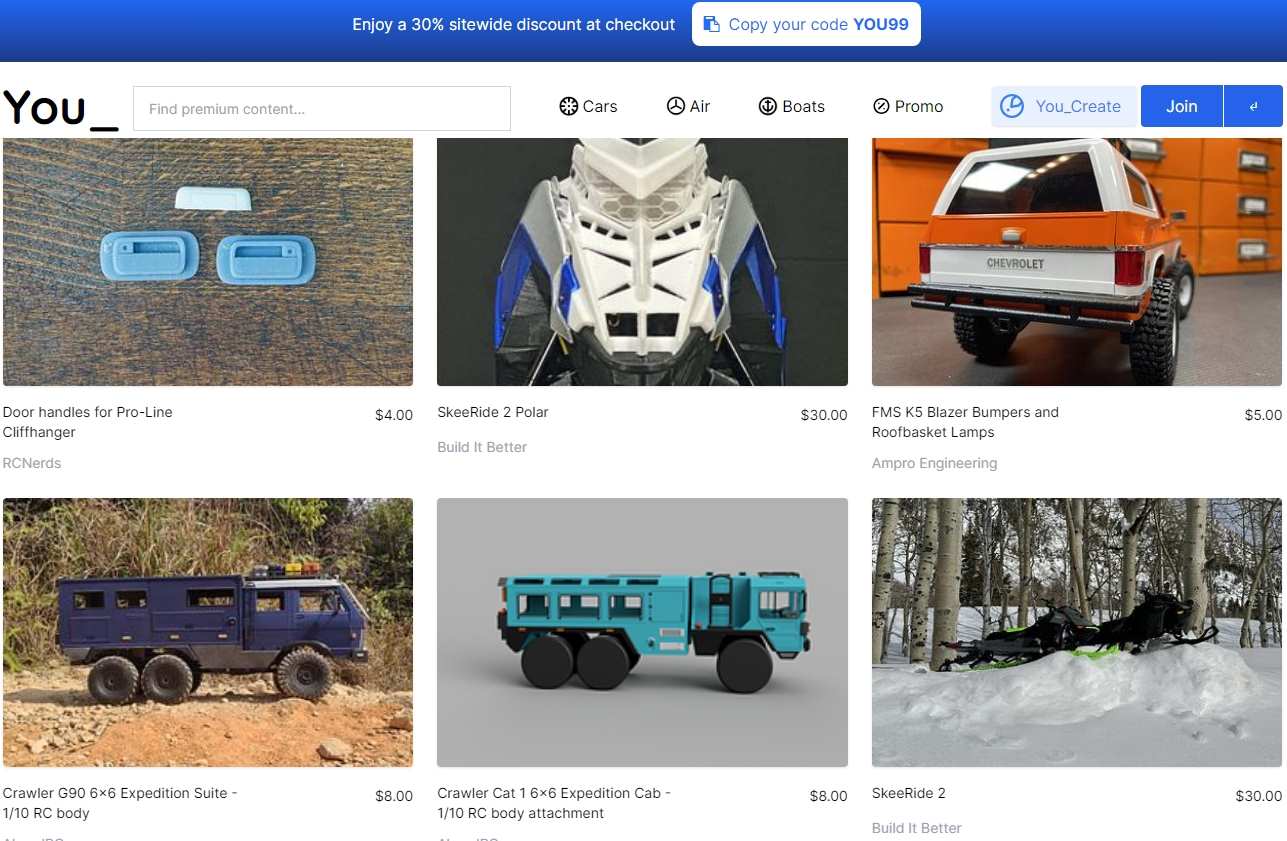
YouMagine is a top alternative to Pinshape, particularly for those passionate about creating and sharing 3D designs. It offers around 19,000 free designs, making it a platform with enough variety but focusing on accessible and practical models suitable for any FDM printer.
A standout feature of YouMagine is its integration with Ultimaker’s Cura slicing software, enhancing the user experience by simplifying the process from design to printing. While it may have fewer designs compared to Pinshape, YouMagine’s commitment to originality and its robust shutdown policy for copyright protection makes it a reliable choice for designers seeking to protect their creative work. Its designs are well-curated and categorized, easing the search for users and fostering an engaged community interaction.
5. GrabCAD
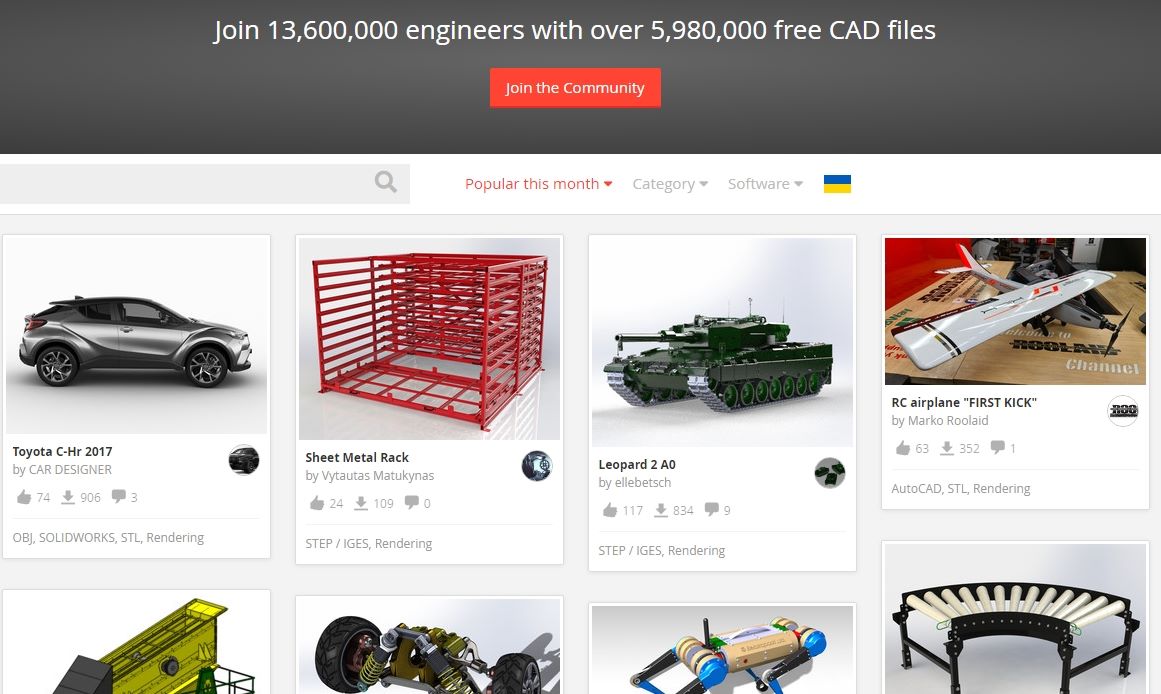
GrabCAD stands out as a stellar Pinshape alternative, especially for those involved in professional and high-level 3D design projects. Since its inception in 2009, GrabCAD has evolved into a sophisticated platform, combining a focus on technical, architectural, and engineering designs with a robust user base of over 13.58 million professionals.
With over 5.9 million designs, including 10,000 tagged as 3D printable, it caters primarily to CAD professionals and industries rather than casual hobbyists, offering complex and structurally significant models. Its user-friendly UI, integration with advanced tools like GrabCAD Workbench, and the option for managed printing services through GrabCAD Print enhance its appeal for high-end, collaborative 3D projects. Despite its focus on intricate parts, the platform still provides a selection of accessible designs for wider applications, making it an exceptional resource for sophisticated 3D printing needs.
6. Printables
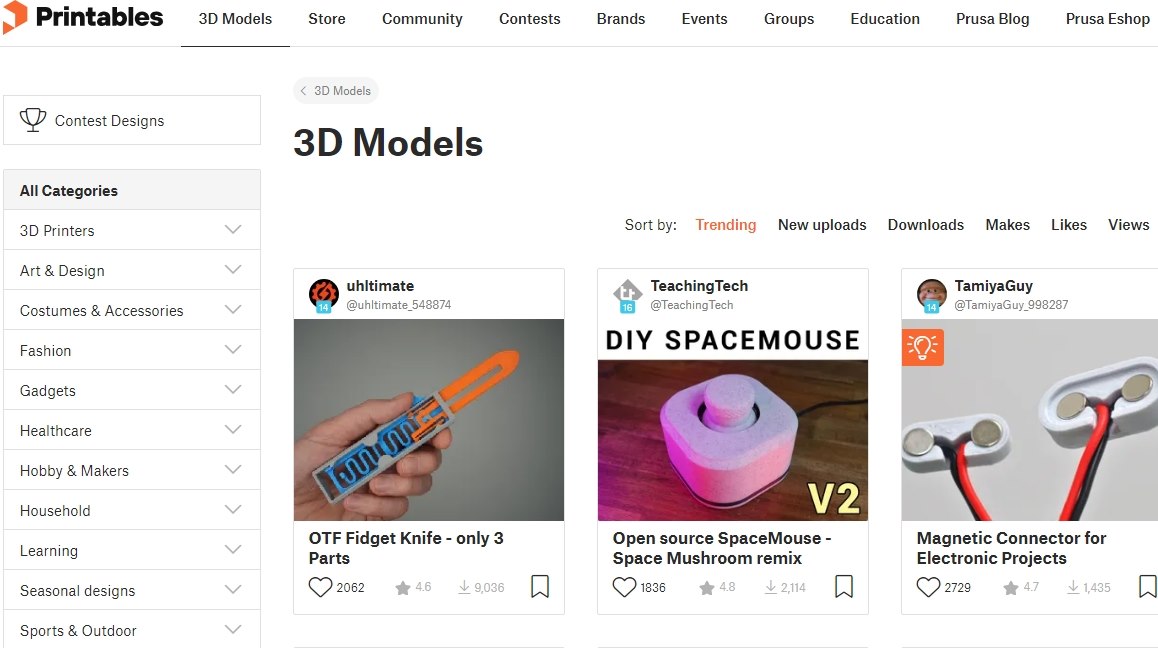
Printables emerges as a formidable alternative to Pinshape, especially attractive for its robust community-driven platform and strong linkage to the Prusa brand, known for high-quality 3D printers. Originating from PrusaPrinters and rebranded in 2022 to accommodate a wider audience, Printables now boasts over 690,000 free models, catering to various needs from household items to intricate toys and models. Its key strengths lie in its ability to facilitate user interaction through social features, competitions, and rewards, including points redeemable for free filament.
Moreover, the site excels in categorization and filtering, making model selection efficient, and offers special educational resources and courses through Prusa Academy. Despite its orientation towards Prusa users, the extensive model library and community engagement features make Printables a prime choice for 3D printing enthusiasts globally.
7. CGTrader
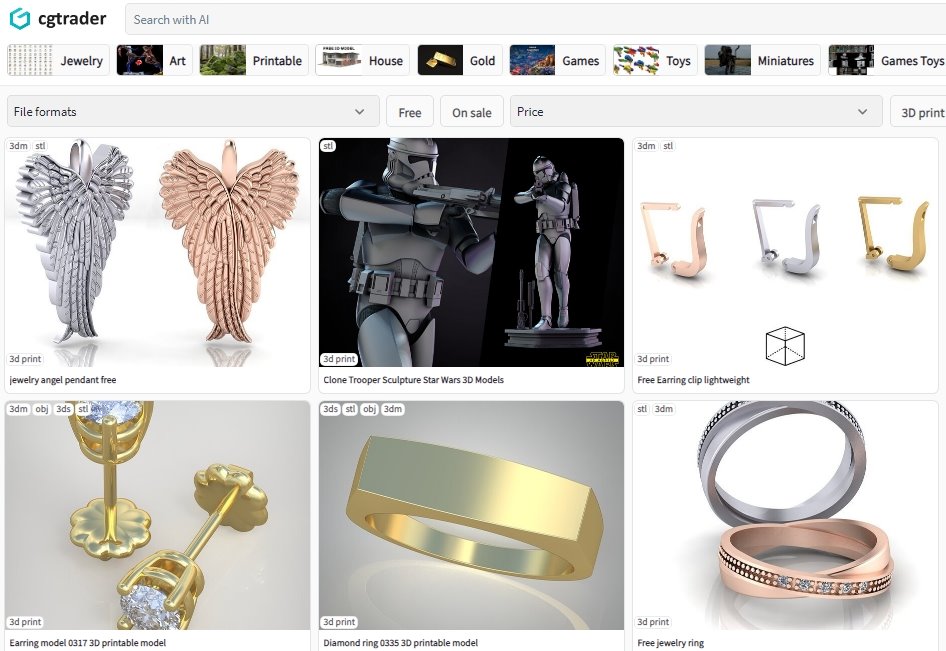
CGTrader stands out as a formidable alternative to Pinshape with its vast marketplace comprising over 1.4 million 3D models, including around 490,000 that are marked as 3D printable. It caters to a professional audience with a focus on VR/AR and CG, but also supports a broad range of users with its STL files and other formats suitable for any 3D printer.
The site offers both free and paid models, with over 18,000 free models accessible upon account creation. It is particularly appealing for its professional orientation, seamless interface, and a robust royalty system that allows designers to earn a significant share from sales. These features make CGTrader an excellent platform for those seeking high-quality 3D printable files and professional opportunities in 3D design.
8. Yeggi
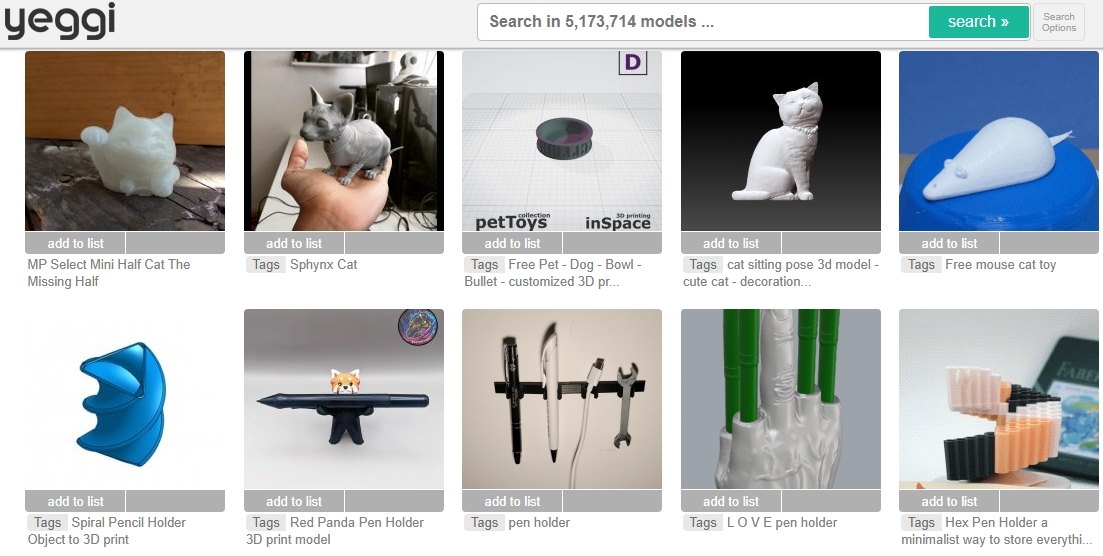
Yeggi shines as a standout alternative to Pinshape for sourcing 3D models, operating as a comprehensive search engine that aggregates a wide assortment of 3D designs from various online repositories. Unlike platforms that host their own exclusive content, Yeggi provides access to an extensive range of models for diverse applications such as 3D printing, video games, and animation. Its utility is enhanced by helpful search filters that allow users to sort by model type, license type, and source, ensuring easy navigation and selection.
By offering a centralized platform to explore and download various free 3D models, Yeggi serves as a powerful tool for users looking to find specific 3D assets across multiple platforms efficiently.
Quick Look of Thingiverse
Thingiverse has grown into the world's largest site for sharing 3D models, catering to a wide array of users from engineers to hobbyists. The platform emphasizes the ethos of open-source sharing, encouraging the use of Creative Commons licenses. This allows for extensive remixing and altering of available designs, fostering innovative modifications and broad use.
Pros:
- Accessibility: Files are free and available under Open Commons licenses, promoting sharing and modifications.
- User-Friendly: Clean interface and simple navigation enhance usability, making it easy for newcomers to download and explore files.
- Large Selection: Offers a vast library of files that grows daily, including feedback and improvements on designs from a community of users.
- Community Focused: Encourages interaction and collaboration through comments, likes, and groups, fostering a supportive environment.
- Non-Commercial Nature: Focuses solely on sharing rather than selling, which helps maintain an open, collaborative community spirit.
Cons:
- Quality Variation: The open-source nature means there's significant variation in the quality of the files available.
- Commercial Use Limitation: While it's great for personal projects, the licensing can restrict commercial use of designs.
- Dependent on Community Engagement: The value of files can depend heavily on community input and interaction, which may vary widely.
- Outdated Designs: Some older files may not have been updated to meet current printing technology standards.
Bonus: Creality Cloud – The All-in-one 3D Printing Platform
CrealityCloud emerges as a formidable alternative to Thingiverse, especially for users of Creality 3D printers. This platform is designed to seamlessly integrate with their hardware, providing a user-friendly interface that simplifies the journey from model selection to printing. It hosts a diverse library of free and premium 3D models, catering to a range of interests and skills. Moreover, CrealityCloud encourages community interaction with features such as model sharing, user collaborations, and contests that foster a vibrant community of 3D printing enthusiasts. Its close alignment with Creality’s ecosystem enhances operational efficiency, making it a top choice for Creality users.
Conclusion
These eight websites present viable, feature-rich alternatives to Thingiverse, each offering unique advantages and communities. Whether you are a hobbyist or a professional, exploring these platforms can expand your resources and possibly enhance your 3D printing projects. For those who crave more customization, consider using SelfCAD for creating your own models easily.

Recent News

8 Halloween 3D Print Ideas to Make Before October 31

Ender Series 3D Printers Parameter Comparison

Creality Back-to-School Sale 2026: Save Up to 50% on 3D Printers and More
