


The Best Wood PLA Filaments of 2024
Wood 3D printing emerged circa 2012 with sawdust-infused PLA filaments for a wood-like look. Yet, sawdust proved suboptimal.
Today, wood filaments use PLA and wood fibers, offering birch, coconut, bamboo, and other variants. Typically, they're 70% PLA and 30% wood fibers, varying by brand.
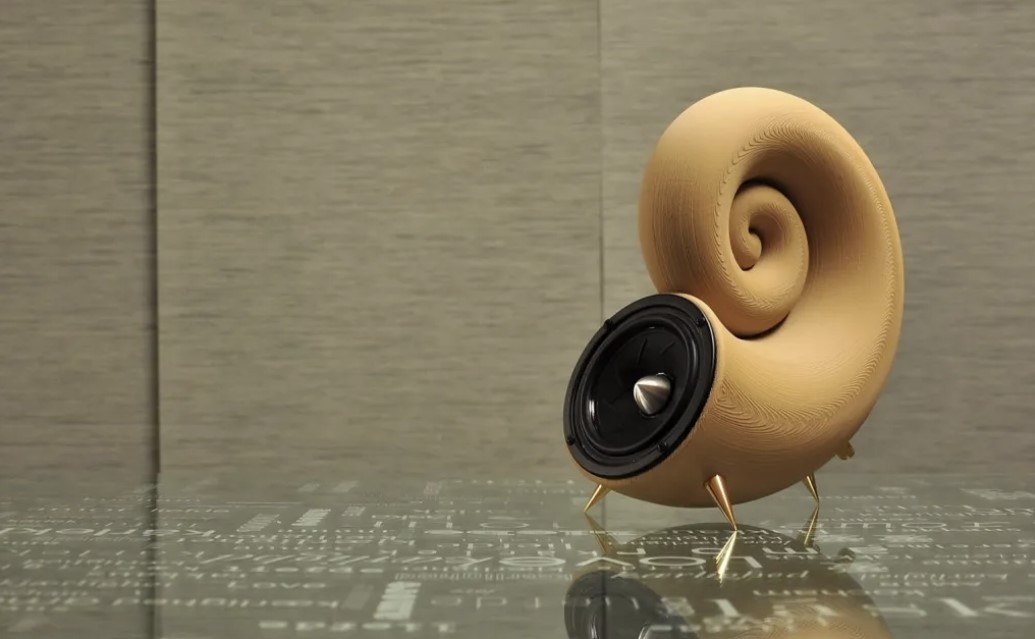
Despite the low wood content, prints feel convincingly wood-like, allowing sanding, painting, and coating like real wood. Beware the burning wood smell during printing, requiring proper ventilation.
This article offers wood PLA printing tips and highlights top brands.

How to Print with Wood Filament
Wood filament, being composite, demands precise slicer settings for reliable printing. Avoid nozzles smaller than 0.4 mm to prevent clogs from wood fibers burning. Promptly remove filament post-print to prevent nozzle blockages and burning odors.

Optimize flow by increasing retraction speeds to minimize stringing and clogs. Utilize larger layer heights and faster printing speeds for steady flow.
Explore our top wood filament selections, ensuring smooth printing experiences.
The Best Wood PLA Filaments of 2024
1. Lay Filaments
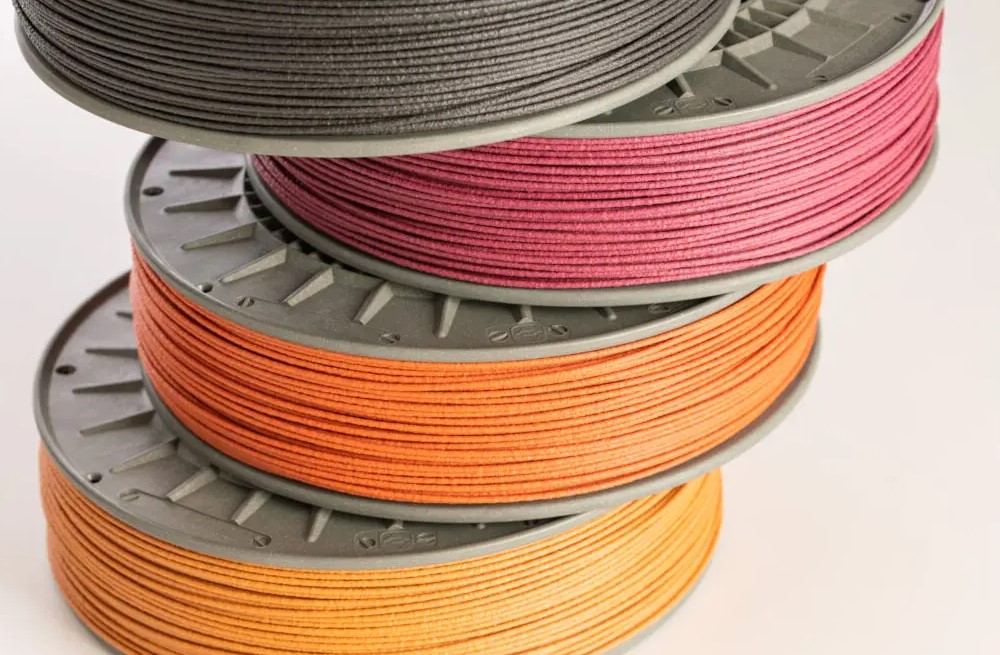
Lay Filaments stands out in the realm of 3D printing with its diverse array of functional filaments. The brainchild of German innovator Kai Parthy, Lay Filaments pioneered wood filament production. Among its offerings is LayWood-Flex, a recent addition renowned for its unique properties.
Comprising up to 35% wood fibers, a bonding polymer, and a flexibilizer, LayWood-Flex aims to replicate natural wood's texture, flexibility, and aroma. Impressively, it succeeds, providing a genuine wood-like feel that allows for easy sanding and painting. Its wide hot end temperature range facilitates color variation, with higher temperatures yielding darker hues as wood particles burn faster.
Key Specifications:
- Composition:65% PLA, 35% wood
- Color:Light cherry
- Diameter:1.75 mm
- Price per kg:Approximately $100 (250-g spool at around $25)
- Printing temperatures:190-250 °C (hot end); heated bed not necessary
Lay Filaments' commitment to innovation and quality shines through LayWood-Flex, offering enthusiasts a remarkable material for creative endeavors.
2. Protopasta
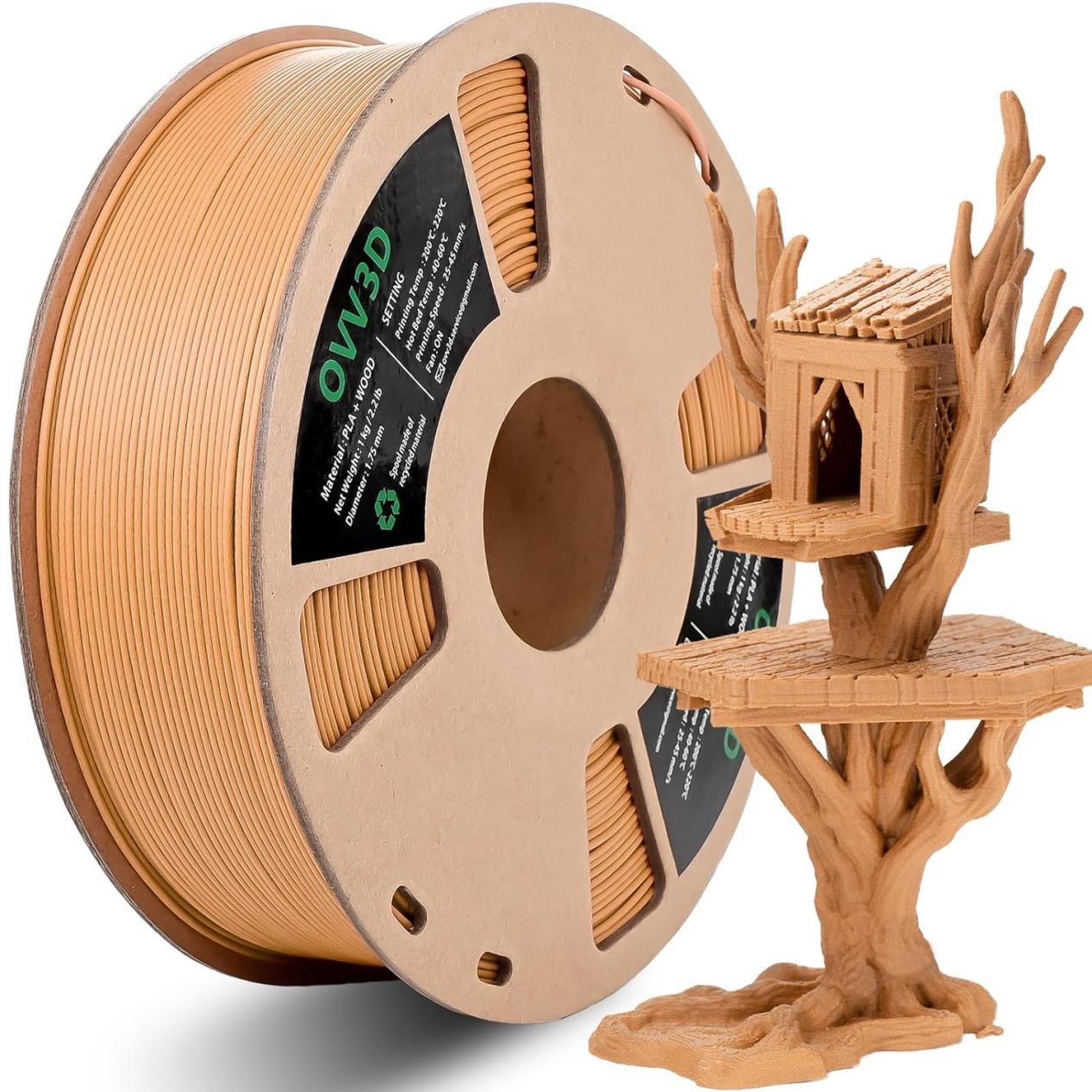
Protopasta, a reputable filament manufacturer established in 2013, is renowned for its premium offerings emphasizing biodegradability, reusability, and recyclability.
Their Matte Fiber Wood HTPLA stands out for its realistic wood appearance and reliable bed adhesion. Infused with subtle gold and black flecks, it further mimics genuine wood textures. Users commend its printability, requiring minimal slicing profile adjustments, though some note increased stringing compared to PLA. Available in various wood shades like walnut, chestnut, mahogany, and olive, this filament caters to diverse preferences.
Key Specifications:
- Composition:Not specified
- Color:Walnut, chestnut, mahogany, honey, daffodil, olive
- Diameter:1.75 mm
- Price per kg:Approximately $80 (500-g spool at around $40)
- Printing temperatures:205 °C (hot end), 60 °C (bed)
Protopasta's commitment to quality and sustainability shines through its Matte Fiber Wood HTPLA, offering users an exceptional printing experience with authentic wood-like results.
3. FormFutura
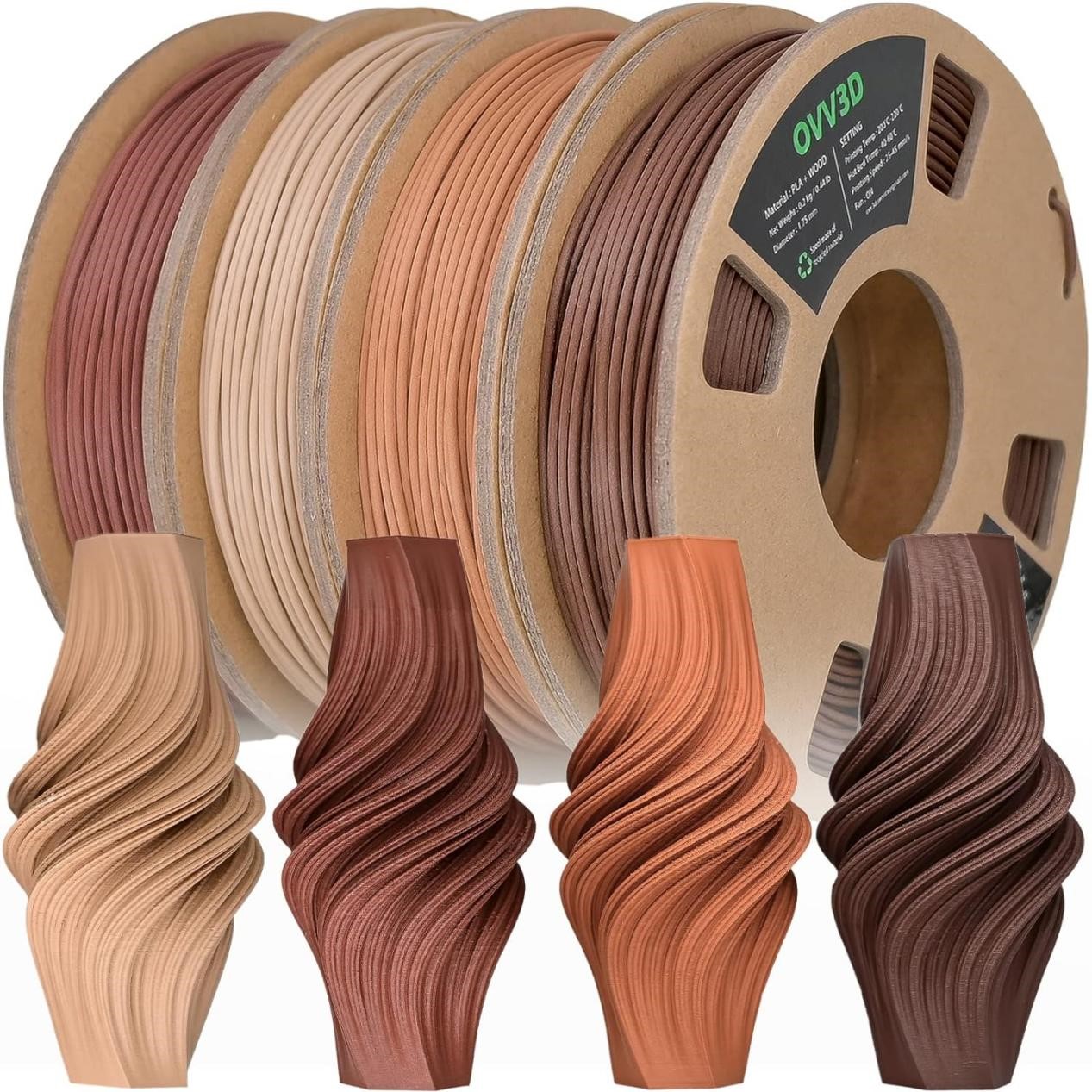
FormFutura, a Dutch filament manufacturer, presents EasyWood, a range of wood filaments available in seven colors, boasting warp-free properties. Though pricier than some options, its diverse color palette makes it appealing to novices in 3D printing wood.
Key Specifications:
- Composition:70% PLA, 30% wood
- Color:Pinewood, cork
- Diameter:1.75 mm, 2.85 mm
- Price per kg:Approximately $62 (WoodFill, 600-g spool at around $37); approximately $54 (CorkFill, 650-g spool at around $30)
- Printing temperatures:WoodFill: 195-220 °C (hot end), 0-60 °C (bed) CorkFill: 210-230 °C (hot end), 0-60 °C (bed)
4. ColorFabb: WoodFill & CorkFill
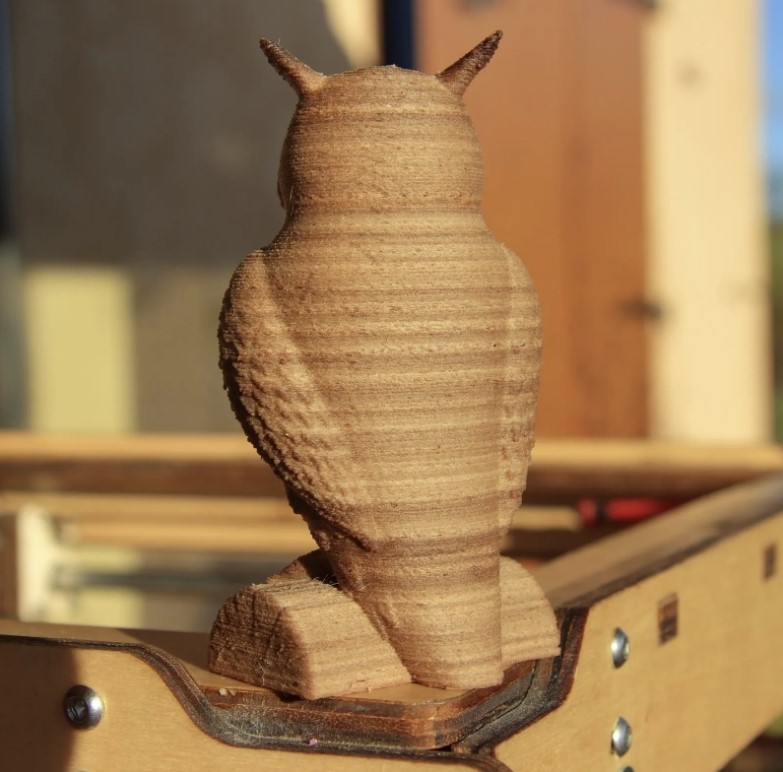
ColorFabb, a premier FDM filament manufacturer based in the Netherlands, offers exclusive filaments renowned for their quality and performance, albeit at a higher price point. Despite the cost, users attest to the exceptional surface finish of prints, along with pleasant odors and ease of printing.
Post-processing parts printed with ColorFabb's CorkFill or WoodFill is hassle-free, as both materials sand easily for a superior finish.
Key Specifications:
- Composition:60% PLA, 40% wood
- Color:Pine, cedar, olive, coconut, willow, ebony, birch
- Diameter:1.75 mm, 2.85 mm
- Price per kg:Approximately $70 (500-g spool at around $35)
- Printing temperatures:210-230 °C (hot end), 0-60 °C (bed)
FormFutura's EasyWood offers both quality and variety, catering to enthusiasts' needs with its warp-resistant properties and vibrant color options.
5. Fiberlogy
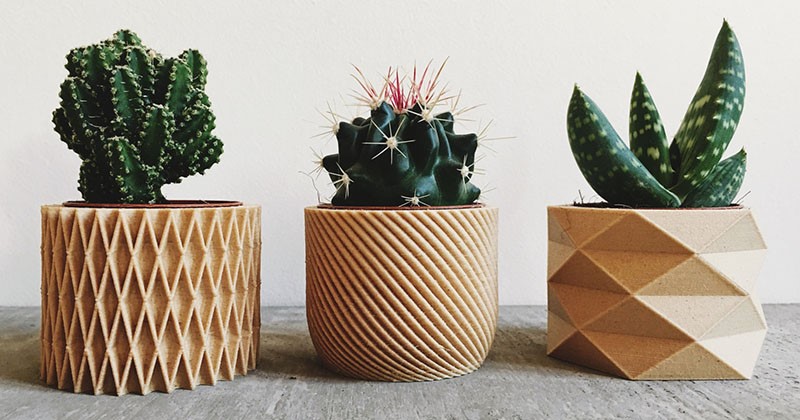
FiberWood, a product of Fiberlogy, specializes in 3D printing filaments and offers a range of five colors, each with varying degrees of natural appearance. Ideal for crafting toys, containers, and other wood-like models, FiberWood boasts a remarkable diameter tolerance of ±0.02 mm, minimizing hot end clogs during printing.
Recommended bed temperature slightly exceeds standard PLA settings at 70°C. With its composition of 70% PLA and 30% wood, FiberWood ensures ease of printing and quality results. Available in diameters of 1.75 mm and 2.85 mm, FiberWood is priced at approximately $60 per kg, with a 750-g spool costing around $45.
6. Fillamentum
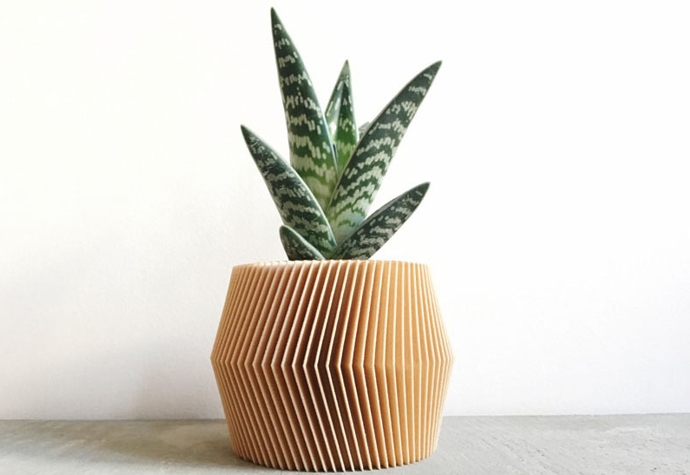
Fillamentum's Timberfill offers a PLA-based, fully biodegradable wood filament, ensuring an authentic wood appearance with its superb surface finish. Alongside excellent mechanical properties, Timberfill effectively conceals layers.
With a choice of eight colors, including champagne, cinnamon, and rosewood, users have ample options for their prints. Compositionally, it consists of 70% PLA and 30% wood, available in diameters of 1.75 mm and 2.85 mm. Priced at approximately $60 per kg, a 750-g spool costs around $45. Printing temperatures range from 165-185°C for the hot end and 40-55°C for the bed.
7. Filamentive
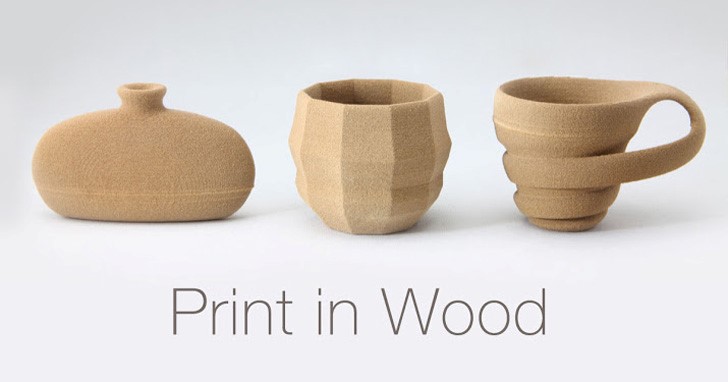
Filamentive leads in eco-conscious filaments, boasting a diverse range crafted from recycled materials. Embracing recycling, their wood filament arrives on a recyclable cardboard spool in a cardboard box. Available in two hues, light and dark, Filamentive's wood filaments receive glowing reviews for their smooth printing experience, akin to butter.
Composed of 60% PLA and 40% wood, they're offered in diameters of 1.75 mm and 2.85 mm. Priced at around $58 per kg, a 750-g spool costs approximately $44. Printing temperatures range from 200-230°C for the hot end and 0-60°C for the bed.
8. Polymaker
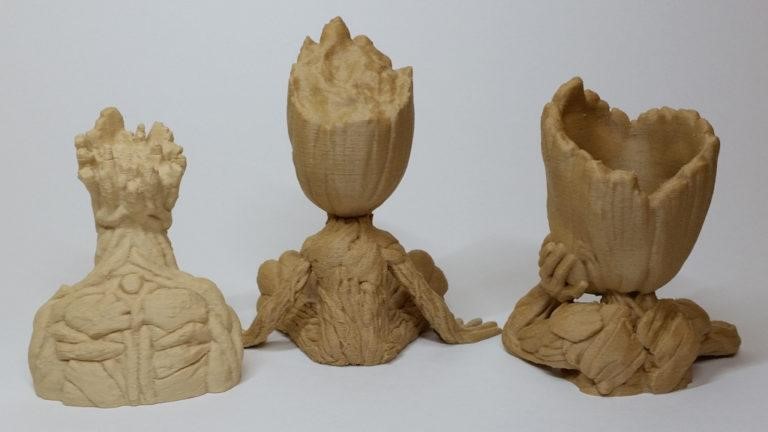
Polymaker, a renowned 3D printing filament manufacturer, introduces PolyWood, its wood PLA filament series available in 1.75 mm and 2.85 mm diameters. While offering a single light-colored wood option, PolyWood stands out for its remarkably natural appearance.
Surprisingly, PolyWood doesn't incorporate wood fibers; instead, a specialized "foaming" process integrates wood-like properties into PLA plastic. This technology renders the filament 35-40% less dense than standard PLA, mimicking wood's density and appearance.
User reviews commend PolyWood for its texture and surface finish, albeit at a slightly higher cost of approximately $50 per kilogram for a 600-g spool. Printing temperatures range from 190-210°C for the hot end and 25-60°C for the bed.
9. eSun

eSun, a prominent name in 3D printing, offers a diverse range of materials, including PLA, PCL, ABS, PETG, and wood PLA, catering to various printing needs. Utilizing "active foaming technology," similar to Polymaker, the wood PLA filament achieves a wood-like texture without actual wood content. Despite this, eSun assures a high success rate and excellent surface finish, yielding precise creations.
Affordably priced, this filament is ideal for experimenting with wood-like textures in art projects, toys, and vases. eSun emphasizes low warping and tight diameter tolerance, ensuring consistent feeding and stable prints. However, it's available only in a natural wood shade, priced around $38 per kilogram for a 500-g spool. Printing temperatures range from 210-230°C for the hot end and 45-60°C for the bed.
10. 3D Best Q
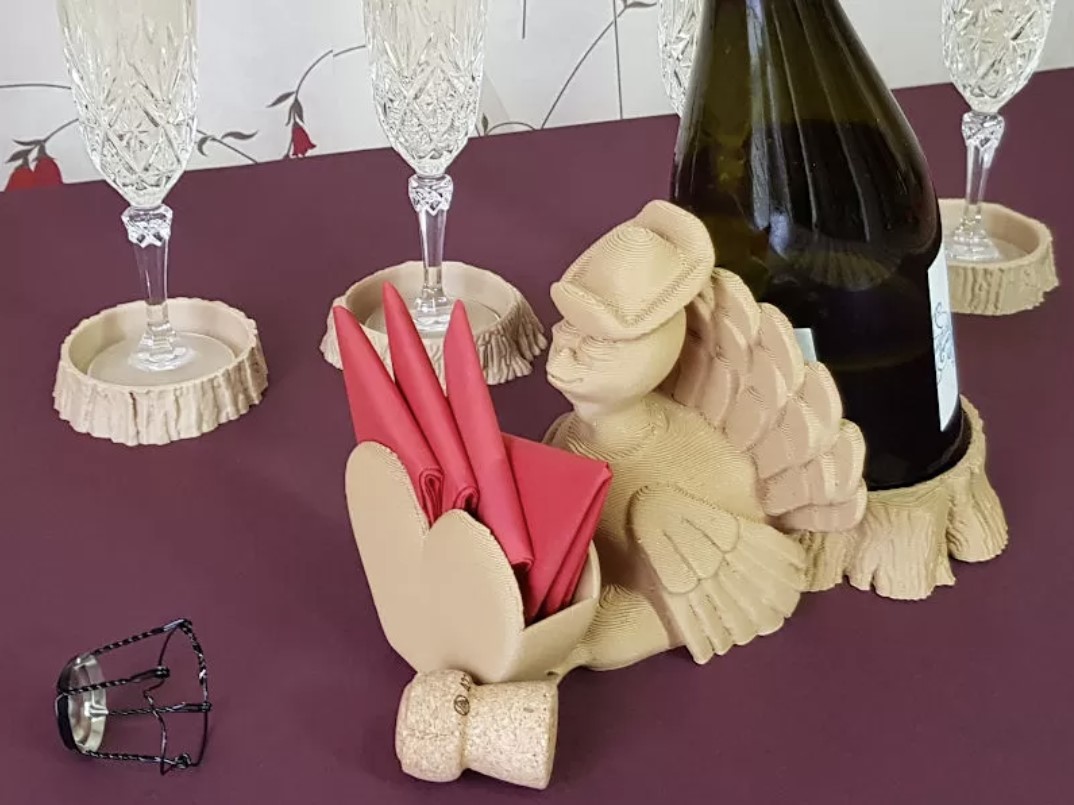
3D Best Q offers premium filaments, including wood PLA, crafted with 30% wood fibers. Available in rosewood and a lighter tone, users praise its 4.3-star rating on Amazon, expressing satisfaction with printed parts. For optimal results, ensure nozzle cleanliness before printing, and consider using a 0.5-mm nozzle or larger to prevent clogs.
However, some users caution about bed adhesion issues, particularly with larger parts warping at corners. Priced at approximately $37 per kilogram, it's a popular choice for those seeking quality wood-like prints. Specifications include a diameter of 1.75 mm and printing temperatures ranging from 200-215°C for the hot end and 50°C for the bed.
11. Eryone
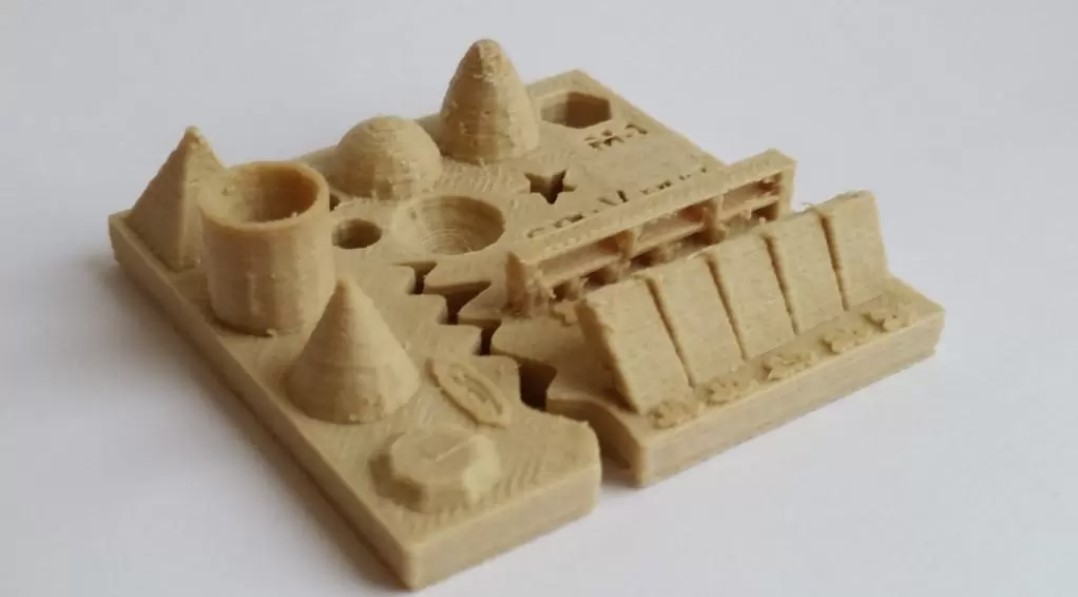
Eryone's Wood PLA filament, available in light and deep wood tones, offers a lifelike wood-like texture suitable for diverse applications, from sculptures to functional objects. With an accuracy of ±0.03 mm, this filament ensures consistent feeding for precise and detailed prints.
Claimed to be bubble- and tangle-free, it promises a seamless printing experience. Composed of 80% PLA and 20% wood, it's priced at around $33 per kilogram, with a diameter of 1.75 mm. Suitable for a wide range of 3D printers, its printing temperatures range from 190-220°C for the hot end and 55-70°C for the bed.
12. Hatchbox
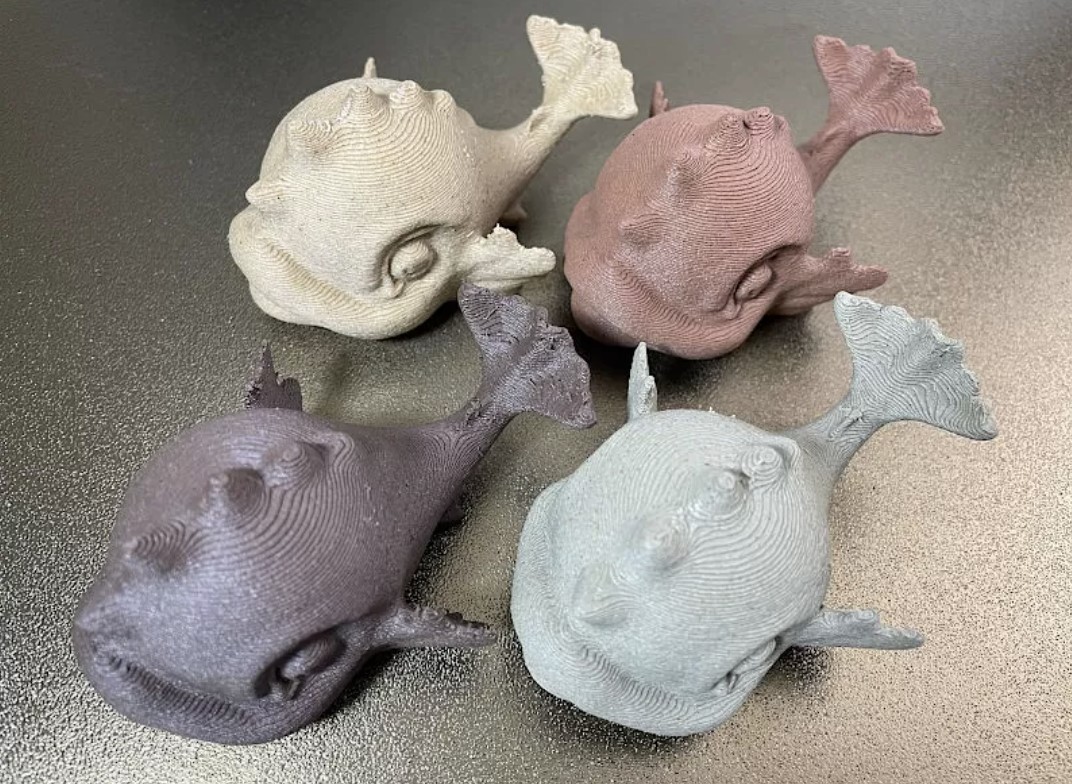
Hatchbox, a renowned name in filaments, enters the wood filament arena with ease. Sandable and print-ready, its wood filament doesn't demand a heated bed. Offering pleasant scent, smooth prints, and appealing aesthetics, all at a fair price, it's a bargain.
Composition: 60% PLA, 40% wood. Colors: Wood, black, brown. Diameters: 1.75 mm, 3.00 mm (wood color only). Price per kg
13. Isanmate
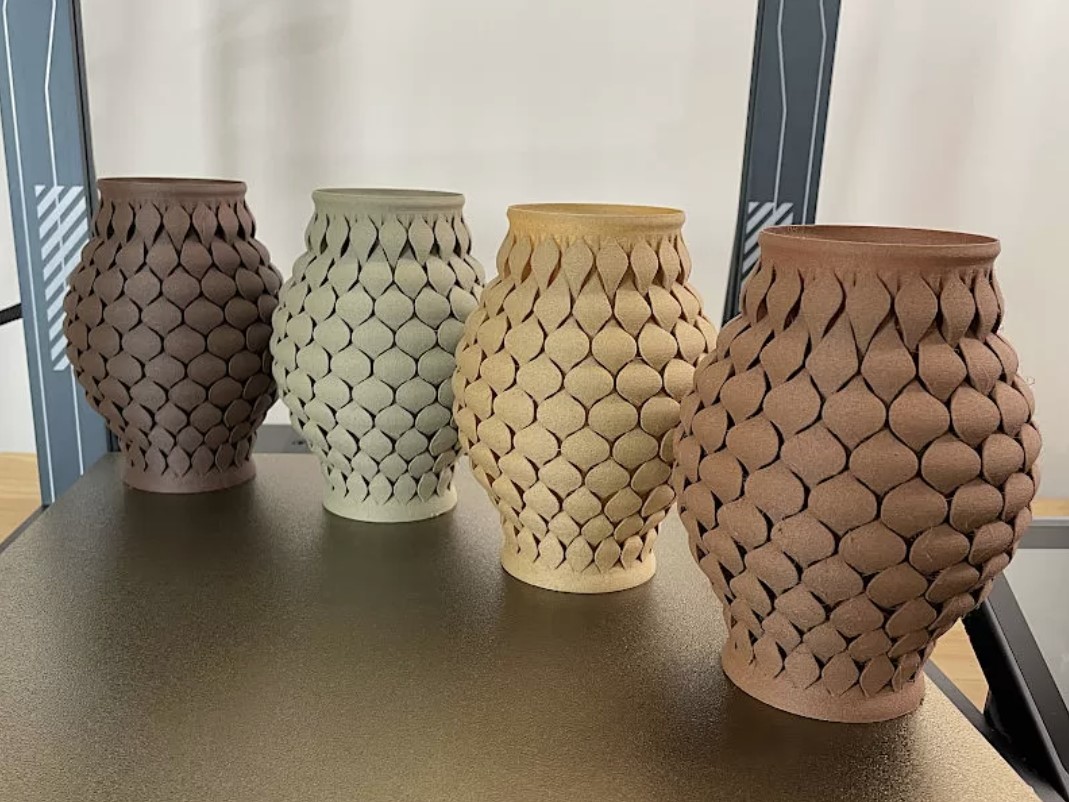
For those seeking a filament to infuse their creations with an organic feel, Isanmate's PLA-based wood filaments are a compelling option. Incorporating 20% wood powder, these filaments boast a natural texture across five color choices, including red wood and ebony.
Renowned for quality across various industries, Isanmate ensures high tolerance in all their filaments, including these wood-based ones. Positive customer feedback highlights excellent layer bonding and strength, underscoring their reliability for decorative or functional prints.
Key Specifications:
- Composition:80% PLA, 20% wood powder
- Color:Ebony, red wood, sandalwood, white pine, yellow pear
- Diameter:1.75 mm
- Price per kg:Approximately $31
- Printing temperatures:190-220°C (hot end), 50°C (bed)
With printing temperatures ranging from 190-220°C for the hot end and 50°C for the bed, Isanmate's wood filaments promise quality results at an affordable price.
14. Creality

Creality's CR-Wood filament offers a natural aesthetic, blending PLA with wood particles for an authentic texture reminiscent of a forest environment. While slightly lighter than natural wood, it retains the distinctive wood grain, enhancing visual appeal.
Beyond appearance, Creality touts excellent printing stability and minimal shrinkage, ensuring warp-free and clog-free prints. Crafted from environmentally friendly materials, it aligns with eco-conscious practices.
Although calibrated for Creality printers, CR-Wood boasts broad compatibility across various machines. With a composition of 60% PLA and 40% wood, it's priced around $30 per kilogram, with a diameter of 1.75 mm. Optimal printing temperatures range from 190-230°C for the hot end.
15. Amolen
Amolen specializes in unique 3D printing filaments, including wood PLA offered in six colors resembling walnut, bamboo, rosewood, redwood, ebony, and a generic wood shade. Their wood PLA, comprising 30% wood fibers, produces remarkably realistic wood-like prints without warping, clogging, or bubbling issues during printing.
Priced around $30 per kilogram, with a diameter of 1.75 mm, Amolen's wood filaments are lauded for their quality and ease of use. Supported by numerous positive reviews, users achieve high-quality prints with minimal tuning. Additionally, multi-packs are available for those who desire a variety of wood colors in smaller spools. Printing temperatures range from 190-220°C for the hot end and 0-50°C for the bed.
FAQs about Wood PLA Filaments
1. How do wood PLA filaments get their wood-like texture and appearance?
Wood PLA filaments blend PLA (polylactic acid) with wood fibers, typically consisting of a 70% PLA and 30% wood fiber composition. This mixture can include fibers from birch, coconut, bamboo, and more, giving prints a convincingly wood-like texture that can be sanded, painted, and coated akin to real wood.
2. Are there any special printing conditions required for wood PLA filaments?
Yes. Given the composite nature of wood PLA filaments, certain precautions are advised to ensure smooth printing. Use nozzles larger than 0.4 mm to prevent clogs from wood particles, remove the filament from the nozzle after printing to avoid blockages, and consider adjusting flow rates and printing speeds to accommodate for the wood fibers. Additionally, proper ventilation is recommended due to the potential for a burning wood smell during printing.
3. What are some of the top brands offering wood PLA filaments in 2024, and what makes them stand out?
Among the top brands are Lay Filaments, known for LayWood-Flex with up to 35% wood fibers for natural wood texture and flexibility; Protopasta, with its Matte Fiber Wood HTPLA offering realistic wood appearance and varied wood shades; and Hatchbox, recognized for its balance of quality, pleasant scent, and affordability. Each brand stands out for its unique formulations, array of color options, and specific features like ease of post-processing or specialized technology for wood-like properties without actual wood content.
Recommended reads:
A Comprehensive Guide on Drying Filament
Choosing the Right Filament: Ender 3 (V2/Pro/S1) Edition
Conclusion
In conclusion, the landscape of wood PLA filaments in 2024 presents a fascinating array of options for 3D printing enthusiasts seeking the warmth and aesthetic of wood combined with the ease of PLA printing.
As technology advances, these wood PLA filaments not only promise to enhance the aesthetic appeal of printed projects but also edge closer to sustainable practices in the 3D printing industry.
Read more if you are interested in:
Recent News

8 Halloween 3D Print Ideas to Make Before October 31

Ender Series 3D Printers Parameter Comparison

Creality Back-to-School Sale 2026: Save Up to 50% on 3D Printers and More
