


3D Printer Bed: Choosing the Best Build Plate for Your 3D Printer
The build plate is a critical component in 3D printing. It's the stage where your creations come to life. Different build plate materials can significantly affect the quality of your prints. They affect adhesion, ease of removal, and the surface finish of the final print. Whether you're a hobbyist or a professional, choosing the right build plate material can make all the difference. It can optimize your 3D printing setup for better results.
In this guide, we'll look at the different types of build plate materials. We'll discuss their properties, advantages, and disadvantages. We'll also cover important aspects like bed leveling and build plate adhesion. In the end, you'll have a better understanding of how to choose the best build plate for your 3D printer.
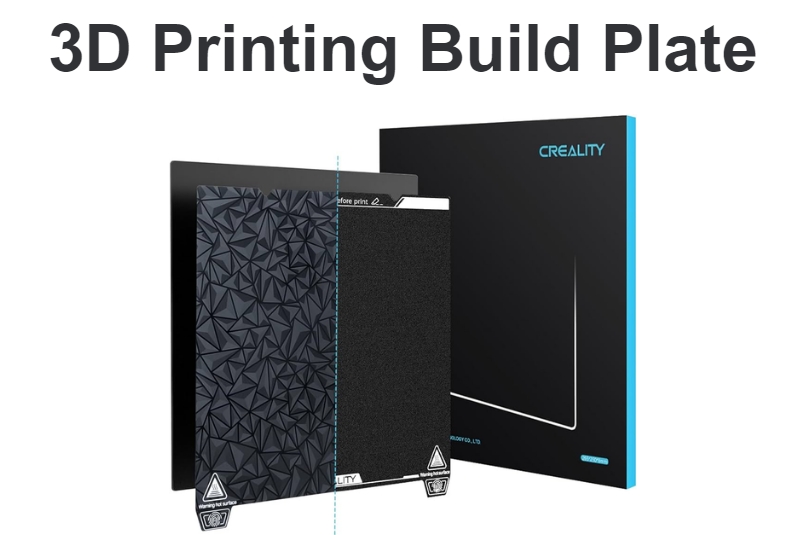
Understanding Build Plates and Their Importance in 3D Printing
The build plate, also known as the build platform, is the surface on which 3D printed objects are constructed. It's the foundation of your print, and its quality can directly influence the success of your 3D printing project.
The Importance of Build Plate
- Different build plate materials offer varying levels of adhesion. This is crucial as the first layer of your print needs to stick to the plate properly. If it doesn't, you may end up with a failed print or one with poor quality.
-
Build plates also play a role in the ease of print removal. Some materials allow for easy removal of prints once cooled, while others might require tools. This can affect the integrity of your final print, especially delicate designs.
-
The choice of build plate material can also impact the surface finish of your print. Some materials provide a smooth, glossy finish, while others result in a matte or textured appearance.
Understanding the role and importance of build plates in 3D printing is the first step towards optimizing your setup. It's about finding the right balance between adhesion, ease of removal, and desired surface finish.
Common Build Plate Materials and Their Properties
There are several common materials used to build plates in 3D printing. Each has unique properties that can affect the quality of your prints. Glass, aluminum, and PEI (polyetherimide) are among the most popular choices. Each offers different levels of adhesion, thermal conductivity, and surface finish.
- Glass plates are known for their smooth surface.
- Aluminum plates are praised for their durability and thermal conductivity.
- PEI plates are popular for their excellent adhesion and easy print removal.
Choosing the right material depends on your specific needs and the type of filament you're using. Let's take a closer look at these common build plate materials.
1. Glass Build Plates
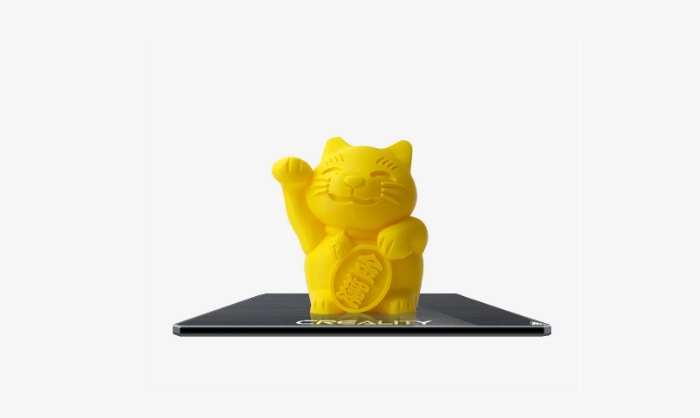
Ender-3 Carborundum Glass Bed Platform 235*235mm
Glass build plates are popular for their smooth surface, which gives prints a glossy finish on the bottom.
However, they often require adhesives like glue sticks, hairspray, or specialized 3D printing adhesives for proper adhesion. Despite this extra step, many users prefer glass for its ability to produce high-quality, professional-looking prints.
2. Aluminum Build Plates
Aluminum build plates are another popular choice due to their durability and excellent heat conductivity, which enhances adhesion for certain materials.
However, repeated heating and cooling can cause aluminum plates to warp over time, affecting the platform's levelness.
3. PEI Build Plates
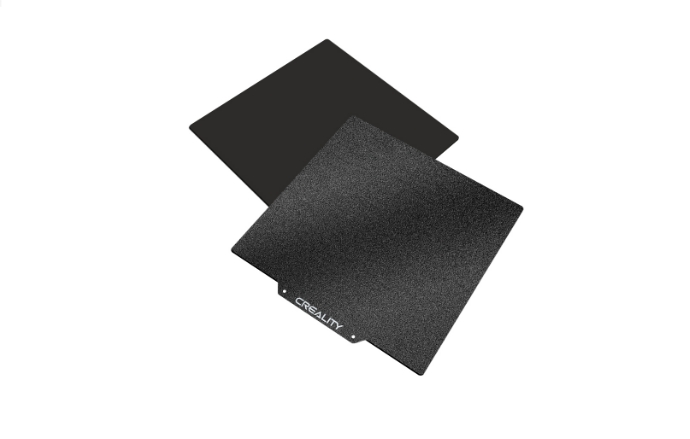
Smooth PEI Build Plate 235*235mm
PEI build plates offer excellent adhesion and easy print removal once cooled, making them a favorite among 3D printing enthusiasts. They are versatile, working well with various filaments, and require less maintenance compared to other materials.
However, PEI can be sensitive to scratches, so care is needed when removing prints. Despite this minor drawback, the benefits often outweigh the disadvantages.
Specialty Build Plate Types
Beyond the common materials, there are also specialty build plate types. These include magnetic build plates and adhesive surfaces like Buildtak. These specialty types offer unique benefits that can enhance your 3D printing experience. They can make print removal easier, improve adhesion, or offer versatility in printing with different materials.
Let's explore these specialty build plate types in more detail.
Magnetic Build Plates
Magnetic build plates are a recent innovation in 3D printing. It has two parts, one part is the soft magnetic sticker which is a black flexible and soft sticker, They offer a unique advantage: easy print removal.
By simply flexing the plate, you can pop off your prints without the need for tools. This reduces the risk of damaging your prints or the build plate.
Despite being a newer option, magnetic build plates are quickly gaining popularity for their convenience and ease of use.
Buildtak and Other Adhesive Surfaces
Buildtak is a type of adhesive surface that can be applied to existing build plates. It enhances print adhesion, reducing the risk of prints detaching mid-print.
Other similar adhesive surfaces are also available. These can be a great option if you're struggling with print adhesion on your current build plate.
However, these surfaces can wear out over time and will need to be replaced. Despite this, they offer a simple and effective solution to improve print adhesion.
Bed Leveling and Build Plate Adhesion
Bed leveling and build plate adhesion are two key factors in 3D printing. They can significantly impact the quality of your prints.
Bed leveling ensures that your build plate is perfectly flat. This is crucial for achieving a consistent first layer, which sets the foundation for the rest of your print.
Build plate adhesion, on the other hand, ensures that your print sticks to the build plate throughout the printing process. Poor adhesion can lead to prints detaching mid-print, ruining your print.
Manual vs. Auto Bed Leveling
There are two main methods of bed leveling: manual and auto. Manual bed leveling involves adjusting screws or knobs under the build plate.
This can be a time-consuming process, but it gives you full control over the leveling process.
Auto bed leveling, on the other hand, uses sensors and firmware adjustments to level the bed automatically. This can save time and effort, but it may not always be as precise as manual leveling.
Enhancing Build Plate Adhesion
There are several ways to enhance build plate adhesion. One common method is using adhesives such as glue sticks, hairspray, or specialized 3D printing adhesives. These can be applied to the build plate to increase the grip of the print.
Another method is using a heated build plate. This can improve adhesion and reduce warping for certain materials. However, it's important to use the right temperature for your specific filament to avoid damaging the print or the build plate.
Read more: Best Glue for PLA Filaments: What You Need to Know
Choosing the Right Build Plate Material for Your Filament
The type of filament you use can greatly influence the choice of build plate material. Different filaments have different adhesion properties and require different build plate surfaces for optimal results.
For instance, ABS typically requires a heated bed and benefits from build surfaces like PEI. On the other hand, PLA can be printed on a cold bed but may benefit from blue painter's tape or a PEI surface.
Specialty materials like PETG, TPU, and nylon may require specific build plate surfaces for optimal adhesion. It's important to research and experiment with different build plate materials to find the best match for your filament.
Remember, the right build plate material can make a significant difference in the quality of your prints.
Maintenance, Durability, and Cost Considerations
Maintaining your build plate is crucial for consistent performance. Regular cleaning is necessary to remove residue and oils that can affect print adhesion.
Durability is another factor to consider. Some build plates, like those made of aluminum, can withstand repeated use and are more durable than others.
The cost of build plate materials can vary. While some options are more budget-friendly, others may offer better performance or durability that justifies a higher price.
In the end, it's about finding a balance between cost, maintenance, and durability that suits your specific 3D printing needs.
Conclusion: Balancing Factors for the Ideal Build Plate
Choosing the right build plate involves balancing several factors. These include the type of filament you're using, your budget, and your maintenance preferences.
In the end, the best build plate is one that meets your specific needs and helps you achieve the best possible 3D prints.

Recent News

8 Halloween 3D Print Ideas to Make Before October 31

Ender Series 3D Printers Parameter Comparison

Creality Back-to-School Sale 2026: Save Up to 50% on 3D Printers and More
